








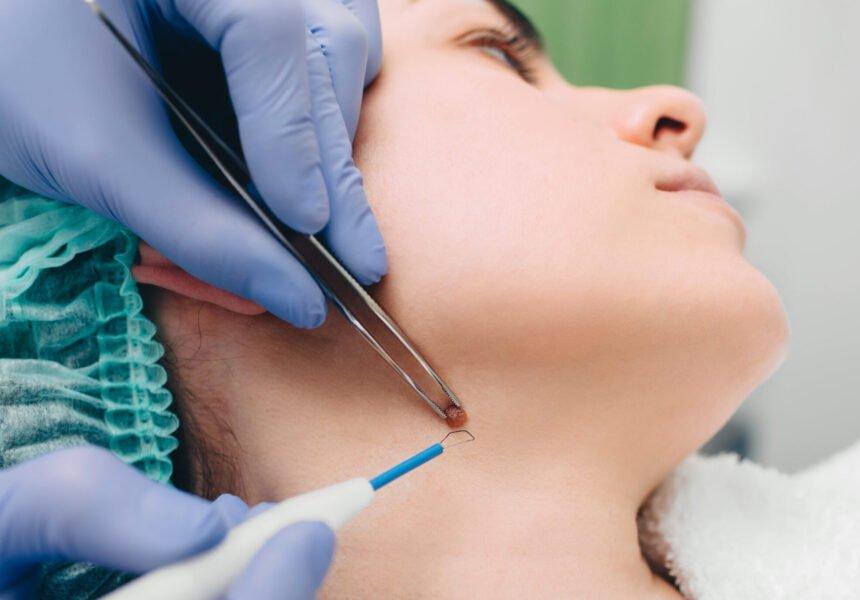
How Does Mole Removal Help With Unwanted Facial Moles?

Facial moles are common skin features that can appear on the cheeks, forehead, chin, nose, or near the lips. While some people consider them distinctive beauty marks, others may feel uncomfortable with their appearance. When a mole becomes a source of self-consciousness, exploring Mole Removal in Dubai can help individuals understand their options for addressing unwanted facial marks. The decision depends on the mole's characteristics, its location, and the person's skin concerns.
Why Do People Consider Facial Mole Removal?
People have different reasons for wanting to address facial moles. Common reasons include:
-
Feeling self-conscious about a noticeable mole.
-
Finding that a raised mole interferes with everyday grooming.
-
Wanting a more even-looking facial appearance.
-
Experiencing repeated irritation around a particular mole.
-
Addressing changes in a mole that require professional assessment.
How Can Mole Removal Address Cosmetic Concerns?
An unwanted facial mole can influence how someone perceives their overall appearance. For individuals who feel distracted by a particular mark, having it professionally assessed may help them understand whether removal is appropriate for their needs.
The suitability of treatment depends on several characteristics, including the mole's size, depth, shape, and position. A small, flat mole may present different considerations from a raised or deeply pigmented one. Facial skin also varies in sensitivity, making an individualized assessment particularly important.
Different Types of Facial Moles
Facial moles do not all look or behave the same way. Recognizing their general characteristics can help individuals understand why professional evaluation matters before considering removal. Common categories include:
-
Flat moles: These sit level with the surrounding skin and may vary in color from light brown to dark brown.
-
Raised moles: These extend above the skin's surface and may feel noticeable when touched.
-
Congenital moles: These are present at birth or appear during early infancy.
-
Acquired moles: These develop during childhood, adolescence, or adulthood.
-
Pigmented moles: These contain varying amounts of pigment, influencing their overall appearance.
The Importance of Facial Skin Health
Facial skin is frequently exposed to sunlight, environmental pollutants, and everyday friction. These factors make regular skin awareness especially important for anyone concerned about a mole. Warning signs that warrant medical evaluation include:
-
An uneven or irregular border.
-
Multiple colors within the same mole.
-
Noticeable changes in size or shape.
-
Persistent itching, tenderness, or bleeding.
-
A new growth that looks unusual or continues to change.
How Mole Location Influences Personal Concerns
The position of a facial mole can affect how noticeable it appears and how a person feels about it. A mole near the nose, lips, eyelids, or eyebrows may attract attention because these areas play an important role in facial expression and visual balance. Moles in areas frequently touched during shaving, cleansing, or applying cosmetics may also cause practical discomfort.
Because facial features differ from person to person, there is no universal standard for which moles should be removed. Some people prefer to keep their natural beauty marks, while others may wish to explore suitable options for addressing a specific concern.
Factors That Influence Suitability for Mole Removal
Not every facial mole is appropriate for cosmetic removal. Its physical characteristics, medical history, and location can all influence the options a healthcare professional considers. Important considerations include:
-
Mole depth: Deeper growths may require different clinical considerations from superficial marks.
-
Skin characteristics: Skin tone, sensitivity, and individual scarring tendencies can affect treatment planning.
-
Facial location: Delicate areas may require additional caution to protect nearby structures.
-
Medical concerns: Suspicious or changing moles may need further examination or laboratory analysis.
-
Personal expectations: Understanding possible limitations helps individuals make balanced decisions.
Maintaining Healthy Skin After a Mole Concern
Healthy skincare habits remain valuable whether someone chooses to keep a facial mole or explores professional removal. Consider these everyday practices:
-
Apply broad-spectrum sunscreen with SPF 30 or higher.
-
Avoid picking, scratching, or attempting to remove moles at home.
-
Use gentle skincare products suited to individual skin sensitivity.
-
Monitor existing moles for noticeable changes.
-
Seek professional advice when a mole becomes irritated or looks unusual.
Emotional Confidence and Facial Appearance
Personal feelings about facial moles can influence confidence in social situations, photographs, and everyday interactions. Someone who feels uncomfortable about a prominent mark may spend considerable time trying to conceal it with makeup or adjusting how they present themselves.
A balanced approach recognizes both personal choice and the importance of accepting natural skin features. The most appropriate decision is one that respects individual comfort while protecting skin health.
Final Thoughts
Mole removal can help address concerns about unwanted facial moles by allowing individuals to explore suitable options for marks that affect their appearance or cause repeated irritation. Understanding the type, location, and characteristics of a mole is an important part of deciding whether removal is appropriate. Although cosmetic preferences can guide personal decisions, medical assessment should always come first, especially when a mole changes or displays unusual features.


