








What Are the Most Effective Double Chin Removal Treatments?

A well-defined jawline contributes significantly to facial balance, and many people look for ways to address fullness beneath the chin. This area, known medically as the submental region, can hold stubborn fat even in individuals who maintain a healthy weight. Because causes and anatomy differ from person to person, no single treatment suits everyone. Patients exploring Double Chin Removal in Islamabad will find a range of options, and understanding how each one works is the best starting point for choosing wisely. This guide reviews the main approaches, their benefits, and the factors that determine effectiveness.
Understanding the Causes of a Double Chin
Before selecting a treatment, it helps to know what is producing the fullness. The most common cause is localized fat beneath the chin, which may be influenced by genetics, age, and weight changes. Other contributors include loose skin, reduced skin elasticity, weakened neck muscles, and the natural shape of the jawline and neck.Posture can also play a part, as can the position of the jawbone itself. Because the cause may be fat, skin laxity, muscle, or a combination, an accurate assessment by a qualified professional is essential. The most effective treatment is the one that addresses the actual source of the concern.
Injectable Fat-Dissolving Treatments
Injectable treatments are among the most widely discussed non-surgical options. These procedures use a deoxycholic acid-based formulation that breaks down the membranes of fat cells in the targeted area. Once broken down, the fat is gradually cleared by the body.This approach suits patients with moderate pockets of fat who prefer to avoid surgery. Treatment is performed in a clinic, usually requires several sessions spaced weeks apart, and involves little downtime. Temporary swelling, tenderness, and bruising are common after sessions. Results develop gradually, and patients with significant skin laxity may need an additional approach to tighten the area.
Cryolipolysis and Fat-Freezing Methods
Cryolipolysis uses controlled cooling to damage fat cells beneath the skin without cutting or injecting. A specially designed applicator is positioned under the chin, and the cells are gradually eliminated by the body over the following weeks.This option appeals to patients who want a procedure with no needles and minimal recovery. Temporary redness, numbness, and tenderness are typical. It works best for those with a defined, pinchable layer of fat and good skin tone. As with other non-surgical methods, results are gradual and depend on how much fat is present and how the skin responds.
Radiofrequency and Ultrasound Skin Tightening
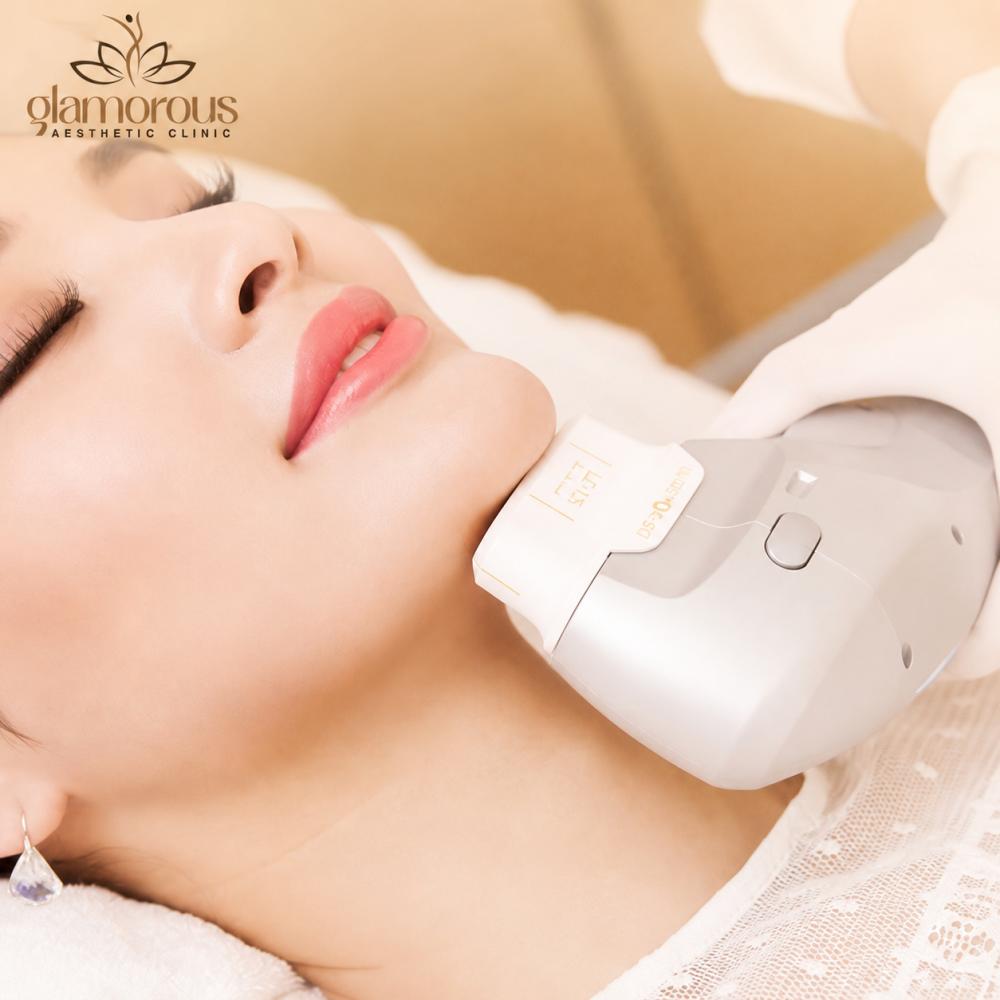
When loose skin contributes to the appearance of a double chin, energy-based devices may be recommended. Radiofrequency and focused ultrasound technologies deliver controlled heat to deeper layers of the skin, encouraging the body to produce new collagen over time.These treatments are aimed at tightening and improving skin firmness rather than removing large amounts of fat. They are often chosen for mild to moderate laxity and can be combined with fat reduction methods for a more complete outcome. Improvements typically appear gradually over several months, and some patients benefit from more than one session.
Laser-Assisted Treatments
Laser-based procedures can reduce fat and tighten skin by delivering energy to the tissue beneath the surface. Some use a thin fiber placed under the skin to liquefy fat and stimulate collagen contraction, while others work from the outside.Because the approach addresses both fat and skin quality, it may suit patients who have moderate fullness and some looseness. Recovery is generally shorter than traditional surgery, though swelling and bruising can occur. A qualified specialist will recommend the specific technique based on the patient’s anatomy and goals.
Liposuction of the Chin and Neck
Liposuction remains one of the most established methods for removing submental fat. Through a very small incision, a thin tube is used to remove fat deposits and refine the contour of the chin and neck.It is often considered when the volume of fat is more than non-surgical methods can comfortably address. Results are more immediate than with gradual methods, though swelling can take time to settle. Because it removes fat cells permanently from the treated area, the improvement tends to last as long as weight remains stable. Patients should understand the surgical nature of the procedure, including anesthesia, recovery, and possible risks.
Neck Lift and Surgical Contouring
When excess skin and weakened muscles are the main issue, fat removal alone may not provide the desired result. In these cases, a surgeon may recommend a neck lift or combined contouring procedure to tighten the underlying tissue and remove surplus skin.This is a more comprehensive option and is generally reserved for patients with noticeable laxity or significant changes along the jawline and neck. It involves a longer recovery period, but it can address concerns that other treatments cannot. A detailed consultation is important to weigh the benefits against the additional commitment.
Lifestyle Measures and Supportive Care
Healthy habits support the results of any treatment. Maintaining a stable weight, staying active, and following a balanced diet help prevent fat from returning to the treated area. Good posture and regular facial and neck exercises may offer modest benefits, though they should not be expected to eliminate significant fat on their own.Sun protection and a consistent skin care routine also help preserve skin quality over time. These measures do not replace professional treatment, but they play a meaningful role in maintaining results and overall facial health.
How to Determine the Most Effective Option for You?
Effectiveness is closely tied to suitability. A patient with a small amount of fat and good skin elasticity may achieve satisfying results with an injectable or cooling treatment, while someone with larger fat volume or loose skin may need liposuction or a combined plan.A thorough consultation should include a physical examination, a discussion of medical history, and a clear explanation of expected outcomes. The doctor should outline the number of sessions, anticipated recovery, and possible risks. Patients should be wary of any provider who promises guaranteed or dramatic results without a proper assessment.
Choosing a Qualified Provider
The experience of the practitioner and the standards of the clinic strongly influence both safety and results. Patients should confirm the doctor’s qualifications, ask about their experience with the specific procedure, and ensure that treatments take place in a hygienic, well-equipped setting.Clear communication about costs, follow-up care, and realistic expectations is another sign of a reliable practice. Reviewing before and after examples from genuine patients, where available, can also help in setting reasonable expectations.
Conclusion
The most effective double chin removal treatment depends on the cause of the fullness, the amount of fat, the condition of the skin, and the patient’s personal goals. Injectable treatments, fat-freezing, energy-based tightening, laser-assisted methods, liposuction, and surgical contouring each have a role, and in many cases a combination delivers the best outcome.By seeking a thorough consultation, setting realistic expectations, and choosing an experienced provider, patients can select a treatment that is both safe and well matched to their needs. A carefully planned approach, supported by healthy lifestyle habits, offers the best chance of achieving a smoother, more balanced profile that lasts.
Read More :
https://articlescad.com/can-double-chin-removal-help-define-your-facial-profile-398645.html


