








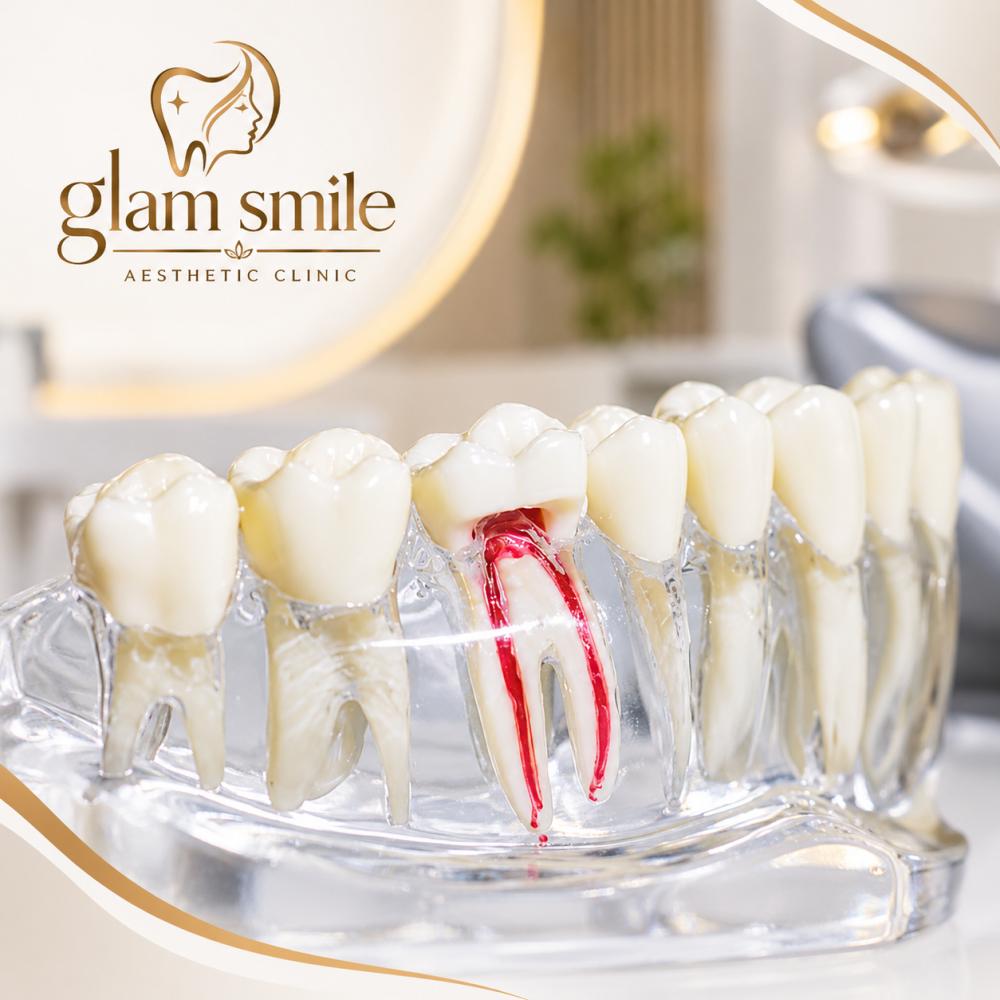
Can a Root Canal Damage Surrounding Teeth?

Root canal treatment is a common dental procedure designed to save an infected or severely damaged tooth.
Many patients worry about whether the procedure could affect nearby healthy teeth or surrounding gum tissues.
Although root canal therapy is generally safe and effective, understanding its possible risks can help you make an informed decision.
If you are considering Root Canal Treatment in Islamabad, knowing how the procedure protects your natural teeth and what complications may occur can help you feel more confident.With proper diagnosis, modern dental techniques, and professional aftercare, the risk of damage to surrounding teeth is generally low.
Can a Root Canal Affect Nearby Teeth?
A root canal primarily focuses on treating infection or inflammation inside a specific tooth. During the procedure, a dentist removes infected or damaged pulp, cleans the root canals, and seals the tooth to prevent further infection. The procedure is designed to preserve the affected tooth while protecting nearby dental structures.However, temporary sensitivity, gum irritation, or discomfort in neighboring teeth may occur after treatment. These symptoms are usually related to inflammation, pressure, or irritation of surrounding tissues rather than permanent damage.In rare cases, complications such as untreated infection, accidental instrument contact, or problems with the final restoration may affect nearby structures.
How Does Root Canal Treatment Work?
Understanding the procedure can help explain why neighboring teeth are generally protected. Dental Examination and DiagnosisThe dentist examines the affected tooth and may take dental X-rays to evaluate the infection, root structure, and surrounding bone. This helps determine whether root canal therapy is appropriate.
Local Anesthesia
Local anesthesia is administered to numb the treatment area. This helps minimize discomfort during the procedure.
Removing Infected Pulp
A small opening is created in the affected tooth to access the pulp chamber. The dentist carefully removes infected or inflamed pulp tissue using specialized instruments.
Cleaning and Disinfection
The root canals are cleaned, shaped, and disinfected to reduce bacteria and remove remaining debris. Protective measures, including a rubber dam, help isolate the treated tooth.
Filling and Sealing
The cleaned canals are filled with a biocompatible material and sealed. Depending on the condition of the tooth, a permanent filling or dental crown may be recommended to restore strength and function.
What Are the Possible Risks to Surrounding Teeth?
Although complications are uncommon, patients should understand the potential risks associated with root canal therapy.
Temporary Sensitivity in Nearby Teeth
After treatment, neighboring teeth may feel sensitive when chewing or applying pressure. This can occur because the tissues supporting the treated tooth remain inflamed. Mild discomfort usually improves within several days, although healing times vary.
Gum Irritation or Swelling
The gums around the treated tooth may experience temporary irritation. This can result from dental instruments, the rubber dam clamp, or inflammation associated with the original infection.Persistent or worsening swelling requires dental evaluation.
Infection Spreading to Nearby Tissues
If the original infection is extensive or treatment does not adequately eliminate bacteria, infection may persist around the root.An untreated or recurring infection can affect surrounding bone and tissues. This is why accurate diagnosis, proper cleaning, and follow-up care are essential.
Changes in Bite Alignment
A filling or crown that is slightly too high can create excessive pressure when biting.This may cause discomfort in the treated tooth and alter how pressure is distributed across neighboring teeth. A dentist can usually correct this by adjusting the restoration.
Accidental Damage During Treatment
Rare complications may include instrument-related injury, root perforation, or irritation caused by materials extending beyond the root tip.These complications generally affect the treated tooth and surrounding tissues rather than directly damaging adjacent teeth.
Who Is Suitable for Root Canal Treatment?
Root canal therapy may be recommended for patients considering should undergo a thorough dental examination to determine whether the affected tooth can be preserved.A tooth with insufficient remaining structure, a severe vertical root fracture, or inadequate periodontal support may not be suitable for treatment.
What Are the Benefits of Root Canal Treatment?
Root canal therapy offers several advantages when performed on an appropriate tooth.
Preserves Natural Teeth
The primary benefit is saving a tooth that might otherwise require extraction. Keeping natural teeth helps maintain chewing function and dental alignment.
Prevents Further Infection
Removing infected pulp and sealing the root canals helps control infection and reduces the likelihood of bacteria continuing to spread from the treated tooth.
Restores Comfortable Chewing
Once inflammation resolves and the tooth is properly restored, patients can often return to normal chewing activities.
Supports Long-Term Oral Health
Preserving the natural tooth helps maintain the surrounding dental structure and may reduce the need for replacement options such as bridges or implants.
How Can You Protect Surrounding Teeth After a Root Canal?
Proper aftercare supports healing and helps prevent complications.
Follow Your Dentist's Instructions
Avoid chewing hard foods on the treated tooth until the dentist confirms that its restoration is complete and it is safe to use normally.
Maintain Good Oral Hygiene
Brush twice daily using fluoride toothpaste and clean between your teeth regularly. Good oral hygiene helps reduce bacterial buildup and protects neighboring teeth.
Attend Follow-Up Appointments
Follow-up visits allow the dentist to evaluate healing, check the restoration, and identify possible complications early.
Report Unusual Symptoms
Contact your dentist if you experience worsening pain, persistent swelling, an uncomfortable bite, or symptoms that do not improve.Severe facial swelling, fever with increasing swelling, or difficulty swallowing or breathing requires urgent medical attention.
Why Choose Professional Root Canal Treatment in Islamabad?
The success of root canal therapy depends on accurate diagnosis, careful treatment, proper disinfection, and effective restoration.At Glam Smile Clinic, patients seeking dental care can discuss their symptoms, treatment options, and concerns about surrounding teeth with a dental professional. A detailed assessment can help determine whether root canal therapy is suitable and what precautions may be necessary.Choosing an experienced dental professional and following recommended aftercare can help reduce complications and support long-term tooth preservation.
Conclusion
In most cases, no. Root canal treatment is intended to eliminate infection and preserve the affected tooth without harming neighboring teeth. Temporary sensitivity or gum irritation may occur, but serious complications are uncommon.If you have persistent tooth pain, sensitivity, or signs of infection, timely dental evaluation is important. Schedule a consultation at Glam Smile Clinic to discuss your symptoms and explore appropriate treatment options for protecting your natural smile.


