








Why Is Professional Teeth Cleaning Important for Oral Health?

What Is Professional Teeth Cleaning?
Professional teeth cleaning is a preventive dental procedure performed by a qualified dental professional to remove plaque, tartar, and surface stains from the teeth. Plaque is a sticky film of bacteria that develops naturally throughout the day. When it is not removed effectively, it can harden into tartar, which cannot be eliminated through ordinary brushing.
How Does the Cleaning Process Work?
The procedure generally involves several steps designed to improve oral cleanliness and protect the teeth and gums.
-
Dental examination: The dentist or hygienist checks the teeth and gums for signs of inflammation, cavities, and other concerns.
-
Plaque and tartar removal: Specialized instruments are used to remove hardened deposits from the teeth and along the gumline.
-
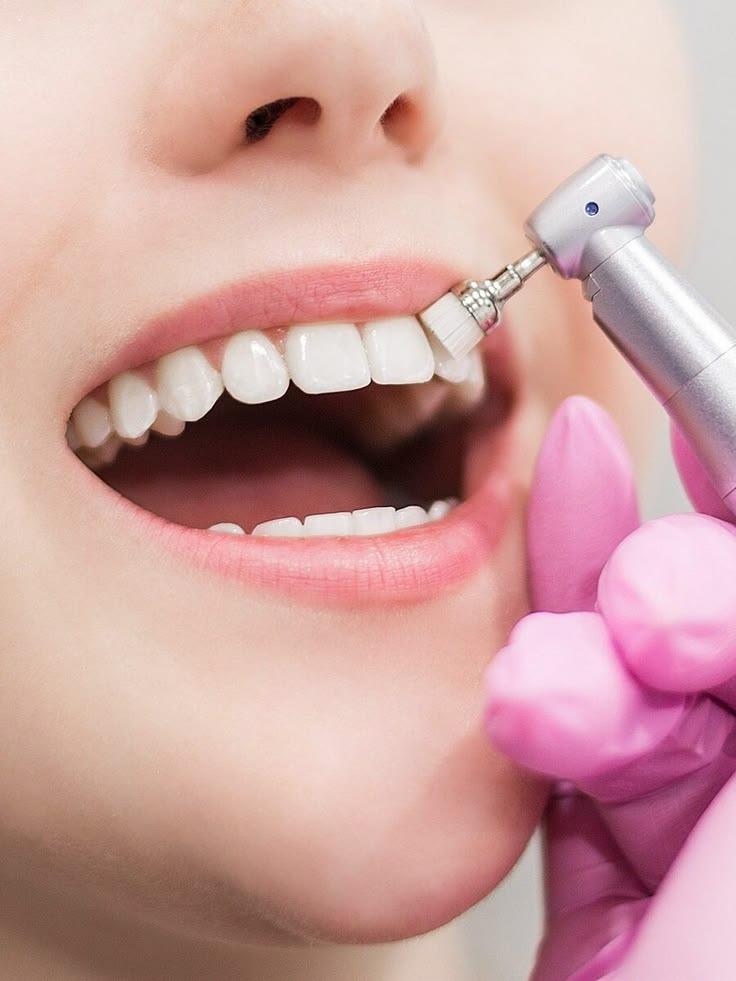
Professional polishing: The teeth may be polished to remove certain surface stains and leave them feeling smoother.
-
Flossing and final assessment: The spaces between teeth are cleaned, and the dental professional may provide personalized oral hygiene advice.
The exact process depends on your oral health, the amount of tartar present, and whether you need routine cleaning or more specialized periodontal treatment.
Why Is Professional Teeth Cleaning Important?
Regular dental cleaning provides several benefits that go beyond improving the appearance of your smile. It helps maintain oral health and reduces the risk of problems that may require more complex treatment.
1. Helps Prevent Gum Disease
Gum disease often begins when plaque accumulates around the gumline. The gums may become red, swollen, or prone to bleeding during brushing. Without proper care, the condition can progress and affect the tissues supporting the teeth.
Professional cleaning removes plaque and tartar that contribute to gum inflammation. Combined with daily brushing and flossing, it helps maintain healthier gums and lowers the risk of developing periodontal problems.
2. Reduces the Risk of Tooth Decay
Bacteria in dental plaque produce acids that can weaken tooth enamel. Over time, repeated acid exposure may lead to cavities.
Removing plaque buildup helps reduce the bacterial deposits responsible for this process. However, professional cleaning does not replace routine dental examinations, fluoride treatments when recommended, or restorative care for existing cavities.
3. Helps Control Bad Breath
Persistent bad breath can develop when bacteria accumulate on the teeth, tongue, and around the gums. Food particles and tartar can also contribute to unpleasant odors.
Professional cleaning removes deposits from areas that may be difficult to clean thoroughly at home. Your dentist can also help identify other possible causes of bad breath, including gum disease, dry mouth, or certain medical conditions.
4. Removes Certain Surface Stains
Coffee, tea, tobacco, and some foods can leave stains on the tooth surface. Professional polishing may help remove these external stains and restore a cleaner appearance.
It is important to understand that routine cleaning is not the same as teeth whitening. Cleaning removes deposits and certain surface discolorations, while whitening treatments are designed to change the shade of natural teeth.
How Often Should You Get Your Teeth Professionally Cleaned?
The ideal frequency depends on your dental condition, oral hygiene habits, and individual risk factors.
Factors That Affect Cleaning Frequency
Some people benefit from routine cleaning approximately every six months, while others may require more frequent visits.
Your dentist may recommend a different schedule if you:
-
Have a history of gum disease.
-
Develop tartar buildup quickly.
-
Smoke or use tobacco products.
-
Have diabetes or other conditions that affect oral health.
-
Wear braces or dental appliances that make cleaning more difficult.
-
Experience persistent gum bleeding or inflammation.
Regular dental assessments help determine the schedule that best suits your needs.
Can Professional Teeth Cleaning Protect Your Overall Health?
Oral health is closely connected to general health. Gum inflammation and periodontal disease have been associated with several systemic conditions, including diabetes and cardiovascular disease. However, these relationships are complex, and professional cleaning should not be considered a guaranteed way to prevent heart disease or other medical conditions.
Maintaining healthy gums, treating oral infections, and following recommended dental care routines remain important steps toward better overall health.
Professional cleaning also gives your dentist an opportunity to identify early signs of dental problems. Detecting concerns sooner may help prevent discomfort and reduce the need for more extensive treatment later.
How Can You Maintain the Results After Cleaning?
Professional cleaning works best when supported by consistent daily habits. A few simple practices can help keep your teeth and gums healthy between appointments.
-
Brush twice daily with fluoride toothpaste.
-
Floss every day to remove plaque between teeth.
-
Limit frequent consumption of sugary foods and drinks.
-
Drink water regularly, especially after meals.
-
Clean your tongue gently to reduce bacterial buildup.
-
Avoid tobacco products that can stain teeth and damage gum health.
-
Attend routine dental checkups as recommended.
These habits help control plaque accumulation and support the benefits of professional cleaning.
Conclusion
Professional teeth cleaning is an essential part of preventive dentistry because it removes hardened tartar, helps protect the gums, reduces certain surface stains, and supports fresher breath. While daily brushing and flossing remain fundamental, professional care reaches areas that home cleaning may miss. Regular appointments also allow dental professionals to identify potential problems before they become more serious.
By combining professional dental cleaning with a consistent oral hygiene routine, you can protect your smile, maintain healthier gums, and support long-term dental wellness. A proactive approach to oral care today can help you enjoy a healthier, more confident smile in the years ahead.


