








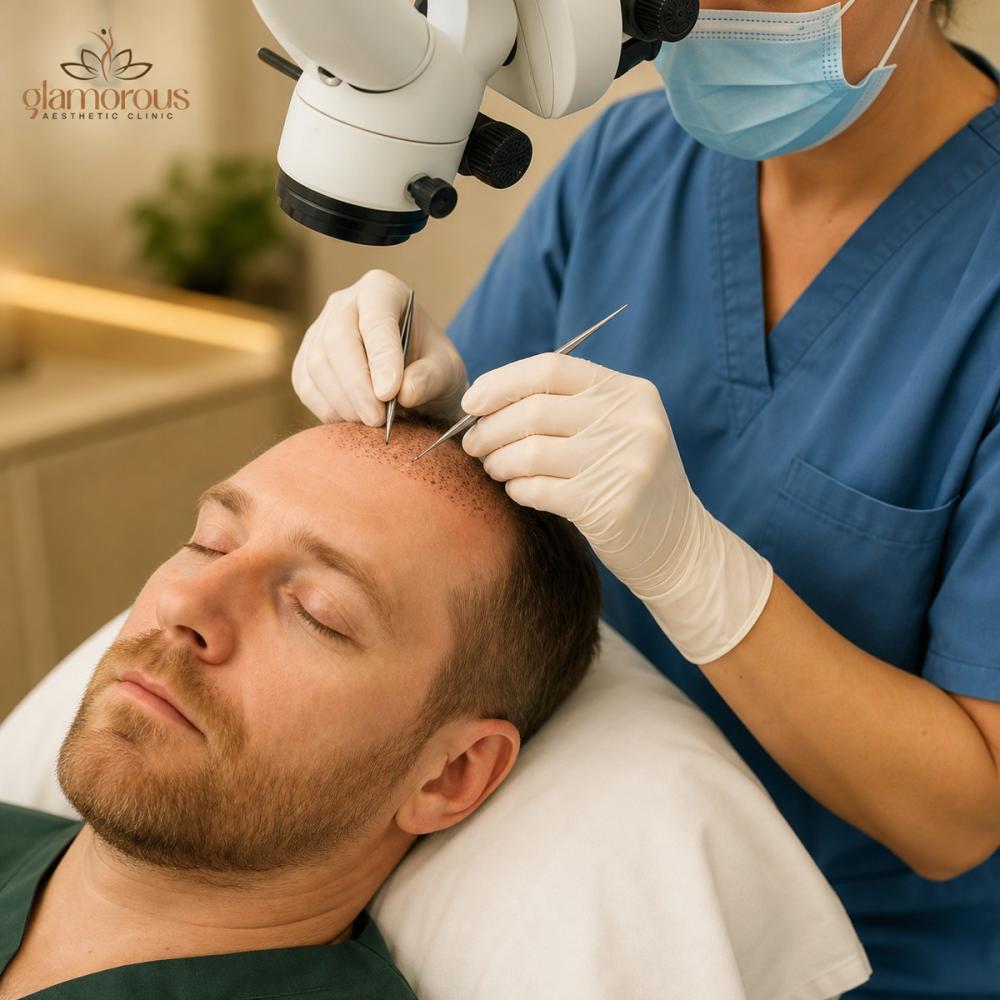
Hair Transplant Cost with Qualified Hair Restoration Specialists at Glamorous

Hair restoration is a medical procedure, and like any medical investment it deserves informed, unhurried decision-making. Patients who approach it with clear information usually end up happier than those who chase the lowest quote. The price of treatment reflects far more than the number of grafts, since it also covers planning, surgical skill, technology, and aftercare. Anyone researching Hair Transplant Cost in Islamabad should understand what shapes a quotation before comparing clinics, because two offers that look similar on paper can differ greatly in quality and in what they include.
Why the Cheapest Option Can Become the Most Expensive?
Unusually low prices should raise concern. Providers may save money by using unqualified staff, rushing the procedure, overharvesting the donor area, or neglecting sterile standards. The consequences can include poor graft survival, visible scarring, unnatural hairlines, and infection.Donor hair is a limited, permanent resource. Once it has been wasted, it cannot be replaced, and repairing a poor result is usually more costly and less predictable than doing the job correctly the first time. Viewing the procedure as a long-term investment helps keep price in perspective.
Benefits of Professional Hair Restoration
When performed on a suitable candidate, a hair transplant offers a permanent solution, since transplanted hair is taken from areas resistant to the hormone that causes pattern baldness. Results look natural, can be styled, cut, and washed normally, and require no daily maintenance beyond standard care.Many patients report a significant boost in confidence and a more youthful appearance. Compared with products that must be applied indefinitely, a one-time procedure may prove economical over many years.
Who Is a Suitable Candidate?
Good candidates are usually adults with stable pattern hair loss, healthy donor areas, and realistic expectations. Both men and women can benefit, provided the cause of hair loss has been properly diagnosed.People with very limited donor hair, active scalp infections, autoimmune conditions affecting hair, or unstable medical problems may need other treatments first. Very young patients whose loss is still progressing are sometimes advised to wait. A thorough evaluation identifies the safest path for you.
Limitations and Possible Risks
A transplant redistributes existing hair; it does not create unlimited new hair. Density depends on donor supply, and several sessions may be necessary for extensive baldness. Native hair may continue thinning, so many specialists recommend supportive medical therapy.Possible side effects include swelling, redness, scabbing, temporary shedding, numbness, and in rare cases infection or scarring. Choosing a qualified team and following aftercare instructions greatly reduces these risks.
Alternatives to Consider
Not everyone needs surgery. Topical minoxidil and prescribed oral medications can slow or partially reverse thinning in suitable patients. Platelet-rich plasma therapy, mesotherapy, and low-level light therapy may strengthen existing hair. Scalp micropigmentation creates the look of a closely shaved head or added density without grafting. A good specialist discusses these options honestly and may combine them for better outcomes.
Realistic Expectations and Recovery
Recovery is gradual. Mild swelling and scabs settle within one to two weeks, and transplanted hairs usually shed around the second to fourth week before new growth begins at about three to four months. Noticeable density often appears by six to nine months, with final results maturing between twelve and eighteen months.Patience is part of the process. Following instructions on washing, sun protection, sleeping position, and exercise protects the grafts during the vulnerable early period.
Choosing the Right Hair Restoration Specialists
Look for licensed professionals with proven experience, honest before-and-after photographs taken in consistent lighting, and a team that explains the plan clearly. Ask who performs each step of the surgery, how donor hair will be managed, and what follow-up support you will receive. Avoid clinics that promise guaranteed density, pressure you to book quickly, or refuse to answer questions about cost breakdowns.
Conclusion
The cost of a hair transplant depends on graft numbers, technique, surgeon expertise, facility standards, case complexity, and the level of aftercare provided. Because every scalp is different, a personalized consultation is the only reliable way to receive an accurate estimate. Focus on value rather than the lowest figure, since donor hair is precious and quality work protects both your appearance and your investment. Compare identical services, ask detailed questions, and choose specialists who combine skill with honesty. With careful planning, realistic expectations, and professional care, a hair transplant can deliver natural, lasting results that restore not only your hairline but also your confidence.
Read More :
https://eshaal89.livejournal.com/1339.html


