








Why Does Your Tooth Hurt When You Bite Down?

Experiencing tooth pain when you bite down can make everyday activities, such as eating, chewing, or even closing your mouth, uncomfortable. The pain may feel sharp and sudden, or it may appear as a dull ache whenever pressure is applied to a particular tooth. Although occasional sensitivity can have simple causes, persistent pain should not be ignored. Tooth pain during chewing can develop for several reasons, including tooth decay, a cracked tooth, gum inflammation, a damaged filling, or an infection inside the tooth. Identifying the underlying cause is essential because the appropriate treatment depends on the condition affecting your tooth. If the pain continues or becomes severe, a dental examination can help determine whether you need a filling, a crown, gum treatment, or another procedure. For patients experiencing persistent dental discomfort, Root Canal Treatment in Islamabad may be an option when the tooth's inner pulp becomes irreversibly inflamed or infected. However, not every tooth that hurts when biting requires a root canal. This article explains the common causes of tooth pain when biting down, the available treatments, possible risks, recovery expectations, and when to seek professional dental care.
Common Reasons Your Tooth Hurts When You Bite Down
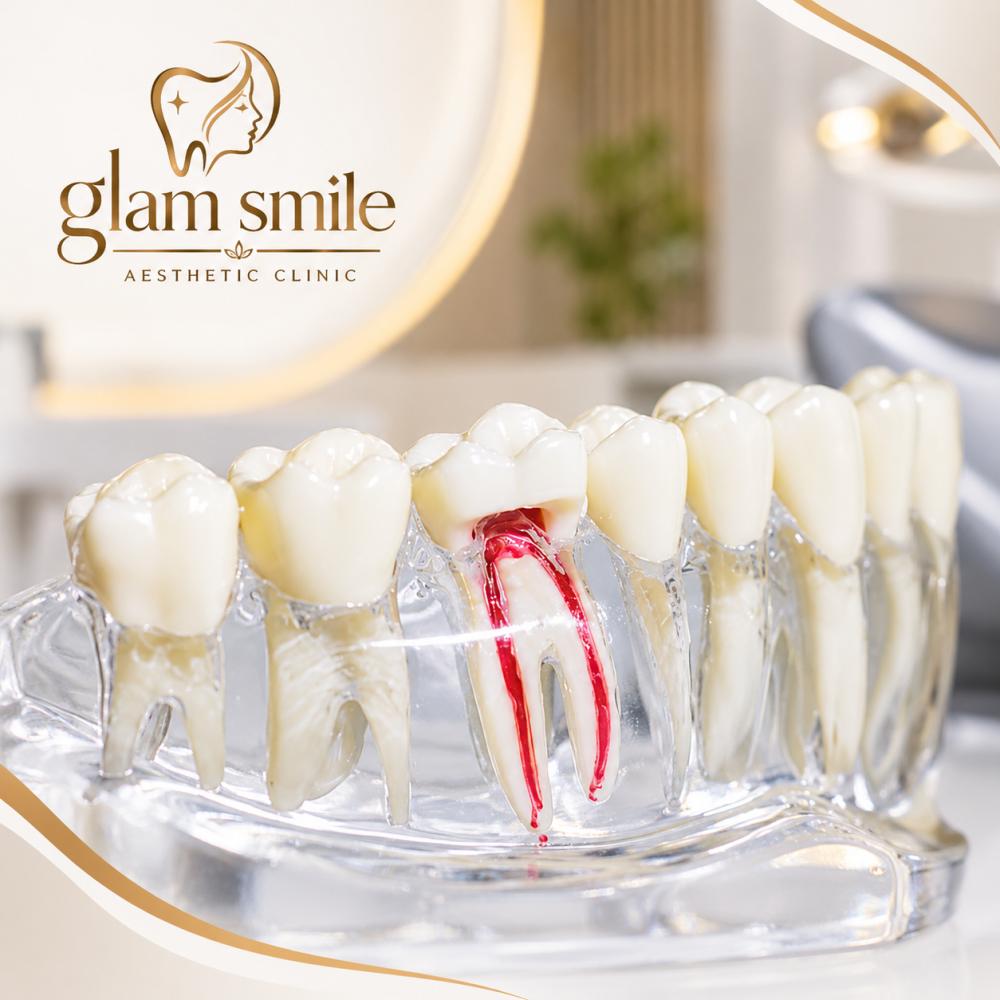
The dental pulp contains nerves and blood vessels inside the tooth. Deep decay, trauma, or repeated dental procedures can inflame or infect this tissue. When the infection affects the tissues around the root, biting pressure may become particularly painful. Other symptoms can include spontaneous toothache, prolonged sensitivity, gum swelling, or a bad taste in the mouth. Treatment: If the pulp is irreversibly inflamed or infected and the tooth can be saved, root canal treatment may be recommended. The dentist removes the affected pulp, cleans and disinfects the root canals, and seals them. A suitable filling or crown is then used to restore the tooth. Antibiotics alone generally do not resolve the underlying problem inside an infected tooth. They may be needed in selected cases when infection is spreading or systemic symptoms are present, alongside appropriate dental treatment. The gums and supporting bone help keep teeth stable. Inflammation or infection in these tissues can cause tenderness when chewing. Gum disease may also lead to bleeding gums, persistent bad breath, gum recession, or loose teeth in advanced cases. Treatment: Depending on the severity, care may involve professional cleaning, deep cleaning below the gumline, improved oral hygiene, or periodontal treatment. If a new filling or crown is slightly too high, the treated tooth may contact the opposing tooth before the rest of your teeth meet properly. This uneven pressure can cause discomfort during biting. ain can also occur if a restoration is damaged, loose, or does not fit properly. reatment: Your dentist can assess your bite and adjust the restoration when appropriate. A damaged or loose restoration may need repair or replacement. f pain persists after a recent dental procedure, arrange a follow-up appointment rather than attempting to adjust the restoration yourself. Grinding your teeth, particularly during sleep, places repeated pressure on the teeth and jaw muscles. Over time, this can cause tooth sensitivity, worn enamel, cracks, and discomfort when chewing. Other symptoms may include morning jaw stiffness, headaches, or soreness around the temples.Treatment: Your dentist may recommend a custom night guard, strategies to reduce clenching, or treatment for associated dental damage.A dental abscess is a collection of pus caused by a bacterial infection. It may develop around the root of a tooth or within the supporting gum tissues. Symptoms can include severe pain, swelling, tenderness when biting, fever, and an unpleasant taste. Treatment: An abscess requires prompt professional assessment. Treatment may include draining the infection, root canal treatment, periodontal treatment, or extraction, depending on its source and severity. Seek urgent dental care if you suspect an abscess. Facial or neck swelling, fever with worsening symptoms, or difficulty opening your mouth needs urgent assessment. Difficulty breathing or swallowing is a medical emergency.
Limitations and Risks of Dental Treatment
The most suitable treatment depends on the cause and severity of the problem. No dental procedure can guarantee that a tooth will remain healthy indefinitely. A cracked tooth can be especially challenging to treat if the fracture extends below the gumline or into the root. Your dentist will explain the likely outcome and alternatives before recommending treatment.
How Long Does Recovery Take?
Recovery depends on the underlying cause and the treatment performed.If your tooth hurts when biting after a root canal, do not automatically assume the treatment has failed. The surrounding tissues may need time to settle.However, severe, worsening, or persistent pain should be assessed by your dentist. Tips for Managing Tooth Pain While You Wait for an Appointment Home care may help manage discomfort temporarily, but it will not repair a cracked tooth or eliminate an established dental infection.
How Can You Prevent Tooth Pain When Biting?
Although not all dental problems can be prevented, good oral hygiene and regular dental check-ups can reduce your risk.If pain repeatedly occurs in the same tooth, do not rely on painkillers alone. Finding the cause early can improve the chances of preserving the tooth.
Dental Care at Glam Smile Clinic
If chewing has become painful or you notice sharp discomfort whenever your teeth meet, a professional examination can help identify the problem and guide the next steps. At Glam Smile Clinic, patients can discuss symptoms such as tooth sensitivity, pain when biting, damaged teeth, and possible dental infections with a dental professional. The appropriate treatment may involve a filling, a crown, gum care, or root canal treatment, depending on the examination findings. If you are considering Root Canal Treatment in Islamabad, an assessment can help determine whether the pulp is damaged and whether your tooth can be preserved. Your dentist can also explain the expected treatment duration, recovery, potential risks, and available alternatives. Do not delay assessment if the pain is persistent, severe, or accompanied by swelling. Early diagnosis can help prevent further damage and improve your chances of maintaining a healthy smile.
Frequently Asked Questions
1. Why does my tooth hurt when I bite down but not otherwise?
A cracked tooth, a high filling, early inflammation around the root, or a problem with the supporting tissues may cause pain only when pressure is applied. A dental examination is needed to identify the exact cause. No. Biting pain can result from several conditions, including a cavity, a cracked tooth, gum inflammation, or a damaged restoration. Root canal treatment is generally recommended when the dental pulp is irreversibly inflamed or infected and the tooth can be saved. Pain when releasing pressure can be associated with a crack in the tooth because the damaged parts may move slightly under pressure. However, other conditions can cause similar symptoms, so a dentist should examine the tooth. Temporary sensitivity may settle, but pain caused by a cavity, cracked tooth, or infection often requires dental treatment. Even if the pain disappears, the underlying problem may remain. Arrange an examination if the symptom persists or returns. Arrange a dental appointment promptly if the pain persists, repeatedly returns, or interferes with eating. Seek urgent care for swelling, fever, or rapidly worsening pain. Difficulty breathing or swallowing requires emergency medical attention.
Conclusion
Tooth pain when you bite down can result from tooth decay, a crack, gum disease, a damaged filling, teeth grinding, or an infection. Because these conditions require different treatments, an accurate diagnosis is essential.If you experience persistent pain while chewing, consult a dentist rather than ignoring the symptoms. With timely care, many affected teeth can be treated successfully, helping you regain comfort and protect your long-term oral health.
Read More:


