








Explore Female Hair Transplant in Dubai at Our Clinic

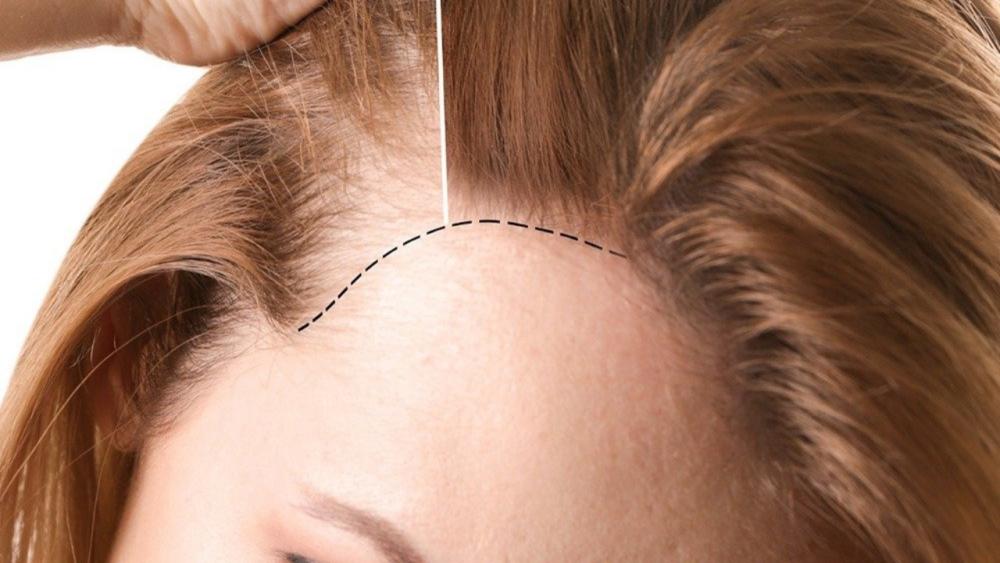
Hair loss can affect a woman’s confidence, appearance, and comfort in social or professional situations. Thinning around the hairline, widening part lines, and reduced density near the temples can develop for several reasons, including genetic predisposition, hormonal changes, traction alopecia, scarring, and certain medical conditions. Understanding the cause is an essential first step toward choosing an appropriate treatment.
For women experiencing persistent hair loss, a hair transplant may offer a long-term option when the scalp condition and donor hair supply make surgery suitable. A Female Hair Transplant in Dubai consultation allows patients to discuss their concerns, understand available techniques, and explore whether surgical restoration aligns with their hair goals. Not every woman experiencing hair thinning is a suitable candidate, so an individual assessment is important before proceeding.
Dubai offers a range of healthcare facilities and aesthetic clinics where patients can explore hair restoration services. When comparing providers, women should look beyond promotional claims and consider the surgeon’s qualifications, experience with female hair loss patterns, treatment planning, and follow-up care. These factors can influence both the safety of the procedure and the natural appearance of the results.
Hair transplantation typically involves moving healthy hair follicles from a donor area, often at the back or sides of the scalp, into areas with reduced density. Techniques such as Follicular Unit Extraction (FUE) and Follicular Unit Transplantation (FUT) may be considered depending on individual needs. A thorough evaluation helps determine whether transplantation, medical treatment, or a combination of approaches is the most appropriate choice.
Understanding Female Hair Restoration
Female hair loss does not always follow the same pattern as male-pattern baldness. Some women experience gradual thinning across the crown, while others notice recession around the temples or localized hair loss caused by hairstyles that place prolonged tension on the follicles.
Before recommending surgery, a qualified clinician should assess the scalp, review medical history, and investigate potential causes of shedding. Blood tests or a dermatological evaluation may be appropriate when nutritional deficiencies, thyroid disorders, hormonal changes, or inflammatory scalp conditions are suspected.
Hair transplantation can redistribute existing follicles, but it does not stop ongoing hair loss in untreated areas. Patients should therefore understand the limitations of surgery and the importance of managing the underlying condition.
Clinics to Consider for Female Hair Restoration in Dubai
Cocoona Clinic
Cocoona Clinic is an aesthetic and cosmetic healthcare provider in Dubai that patients may consider when researching hair restoration options. Women exploring treatment should ask about the clinic’s current hair transplant services, the professionals responsible for surgery, and the assessment process used for female hair loss.
A useful consultation should distinguish between temporary shedding, progressive thinning, and conditions that may require dermatological treatment rather than transplantation. Patients should also discuss donor hair availability, the proposed implantation pattern, recovery expectations, and the possibility of needing additional treatment in the future.
Enfield Royal Clinic
Enfield Royal Clinic is an option for women researching hair restoration and personalized aesthetic care in Dubai. For anyone considering a Female Hair Transplant in Dubai, an individual consultation should focus on the cause of hair loss, the condition of the donor area, and the feasibility of achieving natural-looking density without placing unnecessary stress on existing follicles.
Treatment planning should account for a woman’s natural hairline, facial proportions, hair texture, and current pattern of thinning. Depending on the assessment, the clinician may discuss FUE or other suitable approaches, alongside non-surgical options when surgery is not indicated.
Before making a decision, patients should confirm who will perform the procedure, the practitioner’s relevant qualifications, the recommended graft number, and the arrangements for postoperative monitoring. Clear information about costs, possible complications, expected growth timelines, and realistic outcomes helps women make informed decisions rather than relying on guaranteed-result claims.
Emirates Hospital
Emirates Hospital is a healthcare provider in Dubai that women may include in their research when considering medical evaluation for hair loss. Hospital-based assessment can be particularly relevant when thinning may be associated with an underlying health condition that needs investigation.
Patients should confirm whether the relevant department currently offers female hair transplantation and which specialists manage the procedure. A consultation should cover the potential causes of hair loss, the suitability of surgical restoration, and any medical treatment that may be needed before or after surgery.
Women should also ask about the surgical setting, infection-control measures, anesthesia arrangements, and follow-up appointments. These details help establish whether the proposed treatment meets their medical needs and personal expectations.
Tajmeels Clinic
Tajmeels Clinic is another provider women may research while comparing aesthetic treatment options in Dubai. Before selecting a clinic, patients should verify its current hair restoration services and establish whether the treating practitioner has experience managing female hair loss.
An individualized plan should consider the amount of thinning, the stability of hair loss, and the density of the donor region. Women with diffuse thinning may require additional investigation because harvesting follicles from an area affected by progressive loss can compromise the donor supply.
A detailed consultation should also explain the proposed technique, recovery requirements, possible side effects, and expected changes over time. Patients benefit from receiving clear answers about the number of grafts recommended and whether nonsurgical treatment could be more appropriate.
Al Zahra Hospital Dubai
Al Zahra Hospital Dubai is a multispecialty healthcare facility that patients can consider when seeking medical advice about persistent hair loss. Women experiencing sudden shedding, scalp discomfort, inflammation, or unexplained thinning may benefit from a medical evaluation before exploring a surgical solution.
Patients interested in transplantation should confirm the availability of the procedure and the credentials of the relevant specialist. A suitable assessment may involve reviewing medical history, examining the scalp, and identifying conditions that could affect healing or the long-term stability of the transplanted hair.
Women should ask about the recommended treatment pathway, potential risks, postoperative care, and the expected timeline for visible growth. Understanding these details helps patients compare treatment plans based on clinical suitability rather than appearance-focused marketing alone.
Dynamic Life Clinic
Dynamic Life Clinic is a name women may encounter when researching cosmetic and aesthetic services in Dubai. Those considering hair restoration should verify the clinic’s current offerings and ask whether consultations are conducted by appropriately qualified professionals with experience in female hair loss.
The assessment should establish whether thinning is localized enough for transplantation and whether the donor area contains sufficient healthy follicles. Patients should also discuss how the procedure might affect existing hair, particularly when grafts need to be placed between naturally growing follicles.
A responsible treatment plan includes realistic expectations, clear information about recovery, and appropriate follow-up. Women should understand that transplanted hair generally grows gradually and that the final cosmetic result may take several months to become apparent.
King’s College Hospital London Dubai
King’s College Hospital London Dubai provides access to a range of medical services that may be relevant when investigating the causes of hair loss. Women experiencing persistent or unexplained thinning can ask whether an appropriate specialist is available to assess their symptoms and recommend further investigations.
Patients considering hair transplantation should confirm whether the hospital currently provides the procedure or can refer them to a suitable specialist. This distinction is important because medical evaluation for hair loss and surgical hair restoration are different services.
A comprehensive assessment should consider underlying health factors, scalp condition, donor hair quality, and the likely progression of hair loss. Patients should receive a clear explanation of the available options before deciding whether surgery is appropriate.
Dubai Cosmetic Surgery Clinic
Dubai Cosmetic Surgery Clinic is another provider patients may investigate when comparing cosmetic procedures and hair restoration services. Women should verify current service availability and ask about the experience of the practitioner who would assess and treat their specific type of hair loss.
The consultation should address the intended treatment area, donor hair limitations, the choice of technique, and how the proposed hairline or density will complement the patient’s natural appearance. Women with ongoing diffuse thinning may need medical management before surgery can be considered.
Before committing to treatment, patients should request information about the surgical process, potential complications, aftercare arrangements, and the anticipated timeline for results. Reviewing these details supports a more informed comparison between providers.
How to Choose the Right Clinic for Female Hair Transplant in Dubai
Selecting a provider requires more than comparing prices or viewing before-and-after photographs. Female hair restoration often involves specific challenges, particularly when existing hair is still present in the areas being treated. A careful assessment and an individualized plan are essential.
Experience and Qualifications
Check the qualifications and licensing of the clinician responsible for the procedure. Ask about their experience treating female patients, including those with diffuse thinning, traction alopecia, or hairline concerns. Previous cases should be relevant to your hair-loss pattern rather than simply showing successful results in other patient groups.
Technology and Techniques
FUE involves extracting individual follicular units, while FUT involves removing a strip of scalp from which follicles are prepared for transplantation. Each technique has potential advantages and limitations. The appropriate option depends on donor availability, hairstyle preferences, scarring considerations, and the number of grafts required.
Ask why a particular method is recommended for your case and whether alternative treatments could provide a better outcome.
Safety Standards
Confirm that the procedure will take place in an appropriately equipped and licensed medical setting. Discuss anesthesia, infection prevention, medication requirements, possible complications, and the management of unexpected problems.
Patients should receive clear preoperative and postoperative instructions. Anyone with an active scalp disorder or a medical condition that could affect healing may require additional evaluation before surgery.
Consultation Process
A useful consultation should include a scalp examination, medical history review, and an assessment of donor hair quality. Depending on the presentation, the clinician may recommend blood tests or referral to a dermatologist.
Ask for a written treatment plan explaining the estimated graft count, technique, expected costs, recovery period, and follow-up schedule. Be cautious if surgery is recommended without a proper examination or if guaranteed density is promised.
Patient Experience
Consider how clearly the clinic communicates, whether your questions are answered, and whether you have sufficient time to make a decision. Reliable patient care includes transparent pricing, realistic explanations, accessible postoperative support, and a clear point of contact if concerns arise during recovery.
Patient reviews and photographs may help with research, but they should be evaluated carefully. Confirm that any clinical images are representative of genuine cases and understand that individual results vary.
Expected Results
Transplanted follicles generally pass through an initial healing period and may shed their visible hair shafts before new growth develops. Early growth can appear after a few months, while more substantial cosmetic improvement often takes around six to twelve months or longer.
The final density depends on donor hair quality, graft survival, scalp health, and the progression of any underlying hair loss. Transplantation does not create new follicles, and additional treatment may be needed to maintain the appearance of surrounding hair.
Frequently Asked Questions
Is female hair transplantation suitable for every woman?
No. Women with stable, localized hair loss and an adequate donor supply may be suitable candidates. Those with diffuse thinning, active inflammatory scalp disease, or certain forms of scarring alopecia may require medical treatment or further investigation before surgery is considered.
How long does it take to see results?
Initial new growth may become noticeable after approximately three to four months, although timing varies. More visible improvement usually develops over six to twelve months, and some patients need longer to assess the final outcome.
Is FUE or FUT better for women?
Neither technique is universally better. FUE extracts individual follicles, whereas FUT removes a strip of scalp for follicle preparation. The most appropriate method depends on the patient’s donor area, hairstyle, hair-loss pattern, and treatment goals.
Can transplanted hair fall out again?
The transplanted follicles may continue producing hair over the long term, but individual outcomes vary. The surrounding natural hair can continue thinning if the underlying condition remains active. A clinician may recommend ongoing medical treatment and monitoring to help preserve existing hair.
What should women ask during a consultation?
Ask about the clinician’s qualifications, experience with female hair restoration, suitability for surgery, estimated graft count, technique, total cost, potential complications, recovery requirements, and follow-up care. It is also important to understand alternative treatments and the likely outcome in your specific case.
Conclusion
Female hair loss can have several causes, so identifying the underlying problem is an important part of choosing an effective treatment. Hair transplantation may help selected women improve density in specific areas, but suitability depends on scalp health, donor hair availability, and the stability of the condition. A thorough consultation can clarify whether surgery or a nonsurgical approach is more appropriate.
When exploring a Female Hair Transplant, compare providers carefully, verify practitioner credentials, and request a personalized treatment plan with realistic expectations. Understanding the procedure, recovery process, possible risks, and long-term maintenance requirements will help you make a decision based on medical suitability and your individual hair restoration goals.


