








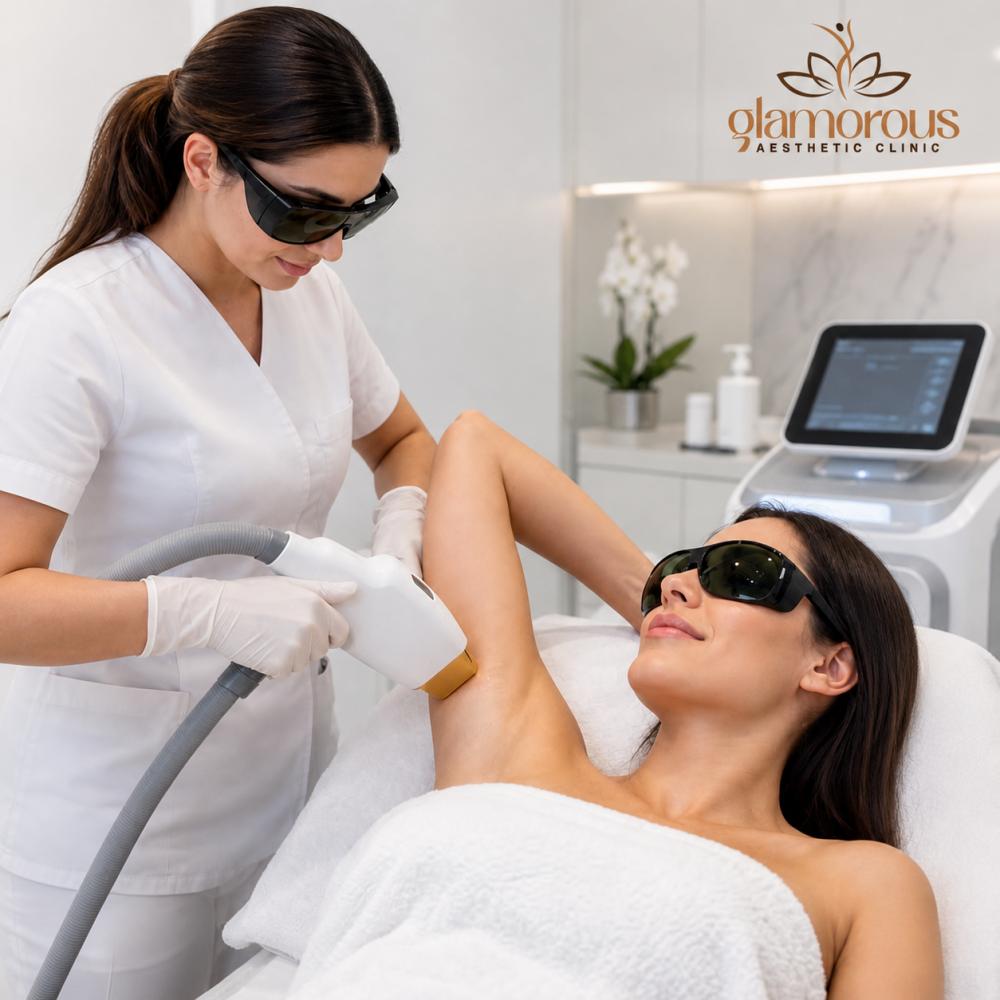
How Do You Choose the Right Laser Hair Removal Treatment?

Shaving, waxing, threading, and creams all promise smooth skin, yet every one of them demands constant repetition. Years of that routine leave many people wondering whether a longer-lasting solution exists. It does, and it is one of the most requested cosmetic treatments worldwide. Anyone researching Laser Hair Removal in Islamabad will quickly notice that clinics offer different machines, packages, and promises, which can make the decision feel confusing. Knowing how the technology works and what to compare helps you choose a treatment that is safe, effective, and suited to your skin and hair.
Why People Choose Laser Over Other Methods?
People turn to laser treatment for several reasons. It reduces ingrown hairs and razor bumps, saves time spent on daily or weekly grooming, and can leave skin feeling smoother. Over the long run, it can also be cost-effective compared with a lifetime of waxing or salon visits.Others are motivated by comfort, since repeated shaving can irritate sensitive skin, or by confidence, especially in areas like the face, underarms, and legs.
Understanding the Main Laser Types
Choosing the right treatment starts with understanding the technology, because different lasers suit different skin and hair types.
Diode Laser
Diode lasers are widely used because they are fast, effective, and suitable for a broad range of skin tones when used correctly by a trained practitioner. Many modern devices include cooling systems that improve comfort and protect the skin surface.
Alexandrite Laser
This laser works quickly and is very effective on lighter to medium skin tones with dark hair. It covers large areas efficiently, but it is generally less suitable for darker skin because of a higher risk of pigmentation changes.
Nd:YAG Laser
The Nd:YAG laser uses a longer wavelength that penetrates deeper and bypasses much of the pigment in the skin surface. This makes it a common choice for darker skin tones. It may require more sessions for fine hair but is considered safer for deeper complexions.
Intense Pulsed Light
IPL is not a true laser but a broad-spectrum light source. It can reduce hair, though results are often less consistent than with dedicated lasers, and it suits a narrower range of skin and hair combinations.
Matching the Treatment to Your Skin and Hair
The most important rule is that skin tone, hair color, and hair thickness determine which laser works best. Dark, coarse hair on lighter skin responds most predictably, since the contrast helps the laser target the follicle. Darker skin needs longer wavelengths and careful settings to avoid burns or discoloration.
Choosing the Right Treatment Areas
Laser can treat nearly every part of the body, including the face, upper lip, chin, underarms, arms, legs, bikini area, back, and chest. Smaller areas need fewer minutes, while larger areas take longer. Facial hair in women, especially along the jawline, can be linked to hormonal factors and may need medical evaluation alongside treatment.Sensitive areas may feel more uncomfortable, so ask about cooling and numbing options if this concerns you.
Number of Sessions and Treatment Schedule
Most people need between six and eight sessions, spaced several weeks apart, because hair grows in cycles. Facial areas are usually treated more frequently than body areas, as facial hair cycles are shorter. Results build gradually, and many people notice thinner, slower-growing hair after the first few sessions.A reliable clinic explains the expected number of sessions honestly rather than promising complete removal after one visit.
Safety, Risks, and Side Effects
Laser hair removal is generally safe when performed correctly, but side effects can occur. Common ones include temporary redness, mild swelling, and a feeling similar to a rubber band snapping against the skin. Less commonly, blistering, burns, pigment changes, or scarring can occur, particularly when the wrong laser or settings are used.Rarely, treatment can cause paradoxical hair growth, where fine hair becomes thicker in the treated area. Choosing a trained professional and the right device greatly reduces these risks.
Preparing for Your Sessions
Preparation improves results and safety. Shave the area a day before treatment, but do not wax, thread, or pluck for several weeks beforehand, since the follicle root must be present. Avoid sun exposure, tanning, and self-tanning products before and after treatment, as tanned skin increases the risk of complications.Tell your practitioner about any medications, especially those that increase light sensitivity, and about any recent skin treatments.
Aftercare and Recovery
After a session, the skin may look slightly red or feel warm for a few hours. A cool compress and a gentle moisturizer usually help. Avoid hot showers, saunas, strenuous exercise, and heavy perfumed products for a day or two.pply broad-spectrum sunscreen daily on treated areas. In the weeks that follow, treated hairs may shed gradually, which can look like new growth but is actually the hair falling out.
Alternatives to Laser Hair Removal
Other methods include shaving, waxing, threading, depilatory creams, and electrolysis. Electrolysis is the only method approved in some regions as permanent hair removal, and it works on all hair colors, though it is slower and better suited to small areas. Prescription creams can slow facial hair growth in some cases. The best option depends on your budget, timeline, hair type, and pain tolerance.
Questions to Ask Before You Book
Ask what type of laser will be used and whether it suits your skin tone. Find out how many sessions are likely, what the total cost includes, and whether a patch test is performed. Ask what happens if you experience a reaction and who handles follow-up. Clear, confident answers are a good sign of professional care.
Conclusion
Choosing the right laser hair removal treatment comes down to matching technology to your skin and hair, working with a trained practitioner, and setting realistic expectations about results. Diode, alexandrite, and Nd:YAG lasers each have strengths, and the right one depends on your complexion and hair type. A proper consultation, a patch test, and an honest explanation of sessions and risks are the marks of a trustworthy clinic. Prepare carefully, protect your skin from the sun, and follow aftercare instructions. With the right choice and consistent treatment, you can enjoy smoother skin and spend far less time on daily hair removal routines.
Read More :
https://eshaal89.livejournal.com/1057.html


