








Is PRP Hair Treatment Suitable for Different Hair Types?

Hair texture, thickness, and growth patterns vary from person to person, making it important to understand how different hair characteristics may influence treatment choices. People with straight, wavy, curly, or coily hair can experience hair thinning for various reasons, including genetics, hormonal changes, stress, and scalp conditions. For those exploring PRP Hair Treatment in Dubai, understanding how platelet-rich plasma therapy works and whether it suits their individual hair type can help set realistic expectations. This nonsurgical procedure uses a concentrated portion of the patient's own blood to support scalp health and potentially improve hair density. However, suitability depends more on the cause of hair loss and the condition of the hair follicles than on hair texture alone.
What Is PRP Hair Treatment?
Platelet-rich plasma (PRP) hair treatment is a procedure that uses plasma containing a concentrated level of platelets from the patient's own blood. These platelets release growth factors involved in the body's natural healing and tissue-repair processes.
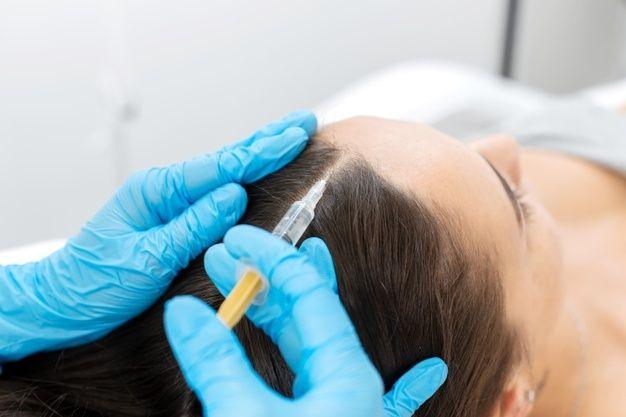
During treatment, a small blood sample is collected and processed using a centrifuge to separate the platelet-rich portion. The prepared plasma is then injected into selected areas of the scalp to support existing hair follicles.
How Does PRP Work for Hair Growth?
PRP may help support follicular activity and improve hair thickness in some individuals experiencing certain types of hair loss. Results vary depending on the person's condition, treatment plan, and response.
It is important to understand that PRP does not change the natural texture of hair or guarantee new hair growth. Its primary purpose is to support hair health in suitable candidates.
Is PRP Suitable for Straight Hair?
People with straight hair may be suitable candidates for PRP if they experience pattern hair loss or other conditions that respond to the treatment.
Straight hair can make scalp visibility more noticeable when density decreases, particularly around the crown or parting. Some individuals may explore PRP to support existing follicles and improve the appearance of hair thickness.
What Should People With Straight Hair Know?
The main consideration is the cause and severity of thinning. Early hair loss with active follicles may respond more favourably than advanced baldness. A professional assessment can help determine whether PRP is appropriate and whether additional treatments may be beneficial.
Can People With Wavy or Curly Hair Benefit From PRP?
Wavy and curly hair can also be suitable for PRP treatment. Natural curls do not prevent platelet-rich plasma from being delivered to the scalp, and hair texture alone is not considered a deciding factor.
However, people with textured hair may experience breakage from heat styling, chemical treatments, tight hairstyles, or frequent manipulation. Breakage affects the hair shaft, whereas PRP targets the scalp and follicles.
Understanding Hair Breakage and Follicular Hair Loss
It is essential to distinguish between hair that breaks along its length and hair that sheds from the root. PRP may be considered for certain types of follicular hair loss, but it will not repair damaged strands or eliminate breakage caused by styling practices.
A scalp examination can help identify the likely cause and guide an appropriate treatment plan.
Is PRP Appropriate for Coily or Textured Hair?
People with coily or tightly curled hair may also be candidates for PRP. The important factors include follicle health, scalp condition, and the underlying reason for hair loss.
Certain styling habits, including repeated tension from tight braids, extensions, or ponytails, can contribute to traction alopecia. If this condition is suspected, reducing tension early is important because prolonged damage may cause permanent follicular loss.
Why Does Individual Assessment Matter?
A qualified practitioner should examine areas of thinning, review hairstyle practices, and check for signs of inflammation or scarring. Some scalp conditions require specific medical treatment rather than PRP alone.
Treatment planning should also consider the person's preferred hairstyle and any practical concerns related to scalp access during the procedure.
Which Factors Matter More Than Hair Type?
Although hair texture is an important part of personal hair care, several other factors are more relevant when determining whether PRP may help.
The Cause and Stage of Hair Loss
People with early androgenetic alopecia, also known as male or female pattern hair loss, may be considered for PRP. Individuals with advanced baldness or permanently damaged follicles may experience limited benefits.
Sudden shedding, patchy hair loss, or unexplained thinning should be medically evaluated before treatment.
Scalp Health and Medical History
An unhealthy or inflamed scalp may require treatment before PRP is considered. Blood-related conditions, platelet abnormalities, certain medications, and other medical concerns can also affect suitability.
Discussing your medical history with a qualified healthcare professional helps identify potential risks and appropriate alternatives.
Realistic Expectations
PRP results develop gradually and vary between individuals. Some people may notice improvements in hair thickness or reduced shedding, while others may experience little change. Multiple sessions and maintenance treatments may be recommended.
How Can You Prepare for PRP Hair Treatment?
Begin with a consultation to discuss your concerns, hair-loss history, and goals. Follow the practitioner's preparation and aftercare instructions, avoid irritating the scalp, and maintain a gentle hair-care routine.
Photographs taken at regular intervals can help monitor progress. If nutritional deficiencies, hormonal changes, or underlying medical conditions contribute to hair loss, addressing those factors is also important.
Final Thoughts
PRP hair treatment may be suitable for people with straight, wavy, curly, or coily hair because natural texture alone does not determine treatment eligibility. The most important considerations are the cause of hair loss, follicle activity, scalp health, and individual medical history.
A personalised assessment can help establish whether PRP is an appropriate option and what results may realistically be expected. Understanding these factors allows individuals with different hair types to make informed decisions about their hair restoration journey.


