








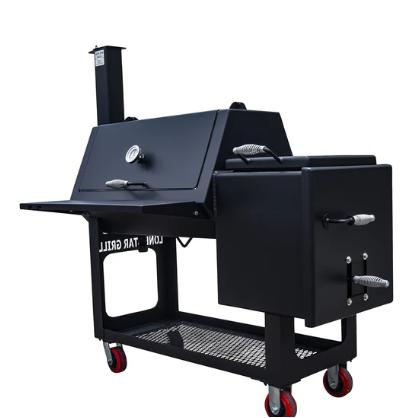
Best Insulated Smoker: How to Choose the Right Smoker for Better BBQ

Cooking good BBQ takes time. There is no shortcut around that. You can buy excellent meat, season it properly, and use quality wood, but if your smoker struggles to hold a steady temperature, the whole cook becomes harder than it needs to be. That is one reason many BBQ lovers start looking for the best insulated smoker.
An insulated smoker is designed to reduce heat loss and help maintain more consistent cooking temperatures. This can be especially useful when you are smoking brisket, pork shoulder, ribs, or other foods that need several hours in the cooker. You spend less time fighting temperature changes and more time focusing on the food.
Of course, insulation is not the only thing that matters. Cooking space, fuel type, airflow, construction, and ease of cleaning all play a part. You might even be comparing an insulated smoker with a pellet grill and wondering which one makes more sense for your backyard.
Let's look at what you should know before buying one.
Why the Best Insulated Smoker Matters for BBQ
Anyone who has spent a long day smoking brisket knows how frustrating temperature swings can be. One minute the fire is running nicely, and the next you are adding more fuel or adjusting the airflow to bring things back under control.
A well-designed insulated smoker can make this process easier. Its insulated construction helps slow heat loss, which can support more stable temperatures during a long cook. It may also reduce the amount of fuel needed to maintain the desired heat, although actual fuel use depends on the smoker design, weather, cooking temperature, and operating habits.
This matters even more during colder weather or when the wind starts picking up. A poorly insulated cooker can lose heat quickly under those conditions.
Still, insulation does not make a smoker completely weatherproof. You will need to manage the fire, maintain proper airflow, and monitor the cooking temperature. Good equipment helps, but it does not replace experience.
For anyone who regularly cooks large cuts of meat, the difference can be worthwhile.
What Makes the Best Insulated Smoker Different?
Not all insulated smokers are built the same way. Some focus on compact designs for backyard cooking, while others offer larger cooking chambers for serious BBQ sessions.
One important feature is the insulation itself. Many insulated cabinet smokers use a double-wall construction with insulation between the inner and outer walls. This arrangement helps retain heat and can make the cooking chamber less sensitive to outside temperature changes.
Construction quality matters just as much. Look for durable steel, strong welds, well-fitted doors, and dependable latches. Doors that do not close properly can allow unwanted air to enter or heat to escape, making temperature control more difficult.
Airflow is another big factor. A smoker needs a steady supply of oxygen to keep the fire burning properly. Too much airflow can cause temperatures to climb, while too little can affect combustion and smoke quality.
You should also consider the cooking racks. Are they easy to remove? Is there enough room for briskets, ribs, or several pork shoulders? A smoker can have excellent insulation and still be the wrong choice if its cooking area does not suit your needs.
The best model is not necessarily the biggest or most expensive. It is the one that performs reliably and fits the way you actually cook.
Insulated Cabinet Smokers for Long Cooking Sessions
An insulated cabinet smoker is a popular option for people who want a compact footprint without giving up useful cooking capacity. Its upright design allows several racks to fit inside a relatively small area.
That makes it practical for backyard cooks who prepare food for family gatherings, parties, or weekend BBQ sessions. Depending on the model, you can cook different cuts of meat on separate racks and make better use of the available space.
The vertical layout can also be useful when you do not have room for a large horizontal smoker. You can get substantial cooking capacity without needing an enormous outdoor setup.
However, rack placement and airflow can affect how evenly food cooks throughout the cabinet. It is worth learning how temperatures vary from one level to another. Some smokers distribute heat more evenly than others.
Cleaning is important, too. Grease trays, cooking racks, and ash collection areas should be accessible. If cleaning the smoker is a hassle, you might put it off longer than you should.
When comparing insulated cabinet smokers, pay attention to practical details instead of just the advertised cooking capacity. A well-designed smoker should make the entire process easier, from lighting the fire to cleaning up afterward.
Best Insulated Smoker vs. Pellet Grill: What Is the Difference?
A pellet grill offers a different approach to outdoor cooking. Instead of relying on the cook to manage a fire directly, most pellet grills use an electric auger and temperature controller to feed wood pellets into a fire pot.
You select a temperature, and the controller adjusts pellet delivery to help maintain it. You still need to monitor the food, keep the grill clean, and check that the system is operating properly. But there is generally less manual fire management involved.
An insulated smoker, on the other hand, describes a cooker built to retain heat through its insulated construction. It may use charcoal, wood, or another fuel depending on its design. Some insulated smokers provide a more hands-on cooking experience, while others include features that simplify temperature control.
Here is the practical difference.
If you enjoy tending a fire and want equipment designed to hold heat efficiently, an insulated smoker could be a strong choice. If you prefer automated temperature management and the convenience of setting a target temperature, a pellet grill may suit you better.
Neither one guarantees better BBQ on its own. Meat quality, seasoning, cooking technique, and temperature management still matter.
It also helps to think about the flavor you prefer. Traditional wood- or charcoal-fired smokers offer a different cooking experience from pellet grills, although both can produce flavorful results when used correctly.
Fuel Efficiency and Temperature Control
One reason people search for the best insulated smoker is the possibility of using less fuel. Because insulation slows heat loss, a properly designed smoker may require less energy to maintain its cooking temperature than a comparable uninsulated model.
This can be useful when you are smoking a brisket overnight or preparing several large cuts for a gathering. You may spend less time adding fuel and making temperature adjustments.
But do not assume every insulated smoker will use the same amount of fuel. The size of the cooking chamber, the type of fuel, the target temperature, and the quality of the fire all affect consumption.
Airflow deserves special attention. A smoker needs enough oxygen for clean combustion. If the airflow is poorly managed, the fire may burn inefficiently and produce undesirable smoke.
For better results, start with the manufacturer's recommended setup, use suitable fuel, and give yourself time to understand how the smoker responds to adjustments. Small changes can make a difference during a long cook.
A little practice goes a long way. You will eventually learn how much fuel your smoker needs and how it behaves under different weather conditions.
Choosing the Right Size and Cooking Capacity
Before purchasing a smoker, think about the amount of food you normally prepare.
If you usually cook for a small family, a compact insulated smoker may provide more than enough room. A larger cabinet can be useful if you regularly prepare multiple briskets, racks of ribs, or pork shoulders.
Buying more capacity than you need is not always a smart move. Larger equipment can cost more, take up additional space, and require more effort to move or maintain. On the other hand, a smoker that is too small can become frustrating when you host larger gatherings.
Consider where the smoker will sit, too. Measure the available outdoor space and allow suitable clearance around the equipment. Follow the manufacturer's safety instructions, especially when operating a charcoal or wood-fired smoker.
If you plan to cook frequently, look for durable racks, accessible grease collection, practical handles, and parts that are easy to clean or replace.
Think beyond the first cook. You want a smoker that fits your routine six months from now, not just one that looks impressive when it arrives.
Is an Insulated Smoker Worth the Investment?
For regular BBQ cooks, it can be. Better heat retention, potentially lower fuel consumption, and more manageable temperature control can make long cooking sessions less demanding.
The benefits are especially useful for people who smoke meat often or cook in changing weather conditions. If you only use a smoker a few times each summer, however, a simpler model might meet your needs just fine.
Price should be considered alongside construction and expected use. A more expensive smoker is not automatically better. Check the quality of the materials, insulation design, cooking capacity, warranty terms, and availability of replacement parts.
Also consider the type of cooking you enjoy. If you want a traditional charcoal or wood-fired setup, look for an insulated smoker designed around that method. If you prefer a more automated process, compare suitable pellet grills as well.
The right choice comes down to your budget, cooking habits, and expectations. Do your research, ask questions, and avoid paying for features you will rarely use.
Finding Quality Smokers at Lone Star Grillz
Finding the right smoker is easier when you know what you want from it. Some cooks need a compact cabinet for weekend meals, while others want a heavy-duty cooker that can handle larger quantities of meat.
Lone Star Grillz offers BBQ cooking equipment worth exploring if you are comparing smokers, grills, and other outdoor cooking options. Before making a decision, consider the cooking style you prefer, the amount of food you prepare, and the features that matter most to you.
Look closely at construction, cooking capacity, temperature management, and maintenance requirements. If you are comparing an insulated smoker with a pellet grill, think about whether you prefer hands-on fire management or more automated temperature control.


