








Glutathione Treatment Cost in Islamabad and Available Options

Few wellness topics have generated as much curiosity in recent years as glutathione, a substance the body already makes and that now appears in clinic menus, social media posts, and beauty conversations. Some people see it as a route to brighter skin, others as a way to support general health and recovery. Anyone exploring Glutathione in Islamabad will quickly notice that prices, formats, and promises vary enormously from one provider to another. Knowing what the treatment is, which forms are available, and what shapes the final cost helps you decide with clear eyes instead of marketing excitement.
What Glutathione Actually Is?
Glutathione is a small molecule made from three amino acids: cysteine, glycine, and glutamic acid. Your liver produces it naturally, and it works as one of the body’s main antioxidants. It helps neutralize harmful free radicals, supports detoxification pathways, and plays a part in immune function and cellular repair.Levels can drop with age, chronic stress, poor nutrition, heavy pollution exposure, smoking, alcohol, and certain illnesses. This decline is the basis for the idea of supplementing it, though having lower levels does not automatically mean that extra glutathione will fix every concern people hope it will.
Why People Consider Glutathione Treatments?
The most common reason in Pakistan is skin appearance. Glutathione can influence melanin production by affecting the enzyme involved in pigment formation, so some people hope for a more even tone, reduced dark spots, and a brighter complexion. Others seek it for antioxidant support, general wellness, improved energy, or help during periods of heavy stress.It is important to be realistic here. Skin tone is largely determined by genetics, and any lightening effect varies widely between individuals. Results are usually modest, gradual, and not guaranteed, so treatment is best approached as supportive care and not as a dramatic transformation.
Available Treatment Options
Glutathione comes in several forms, and each one differs in convenience, evidence, and price.
Intravenous Injections and Drips
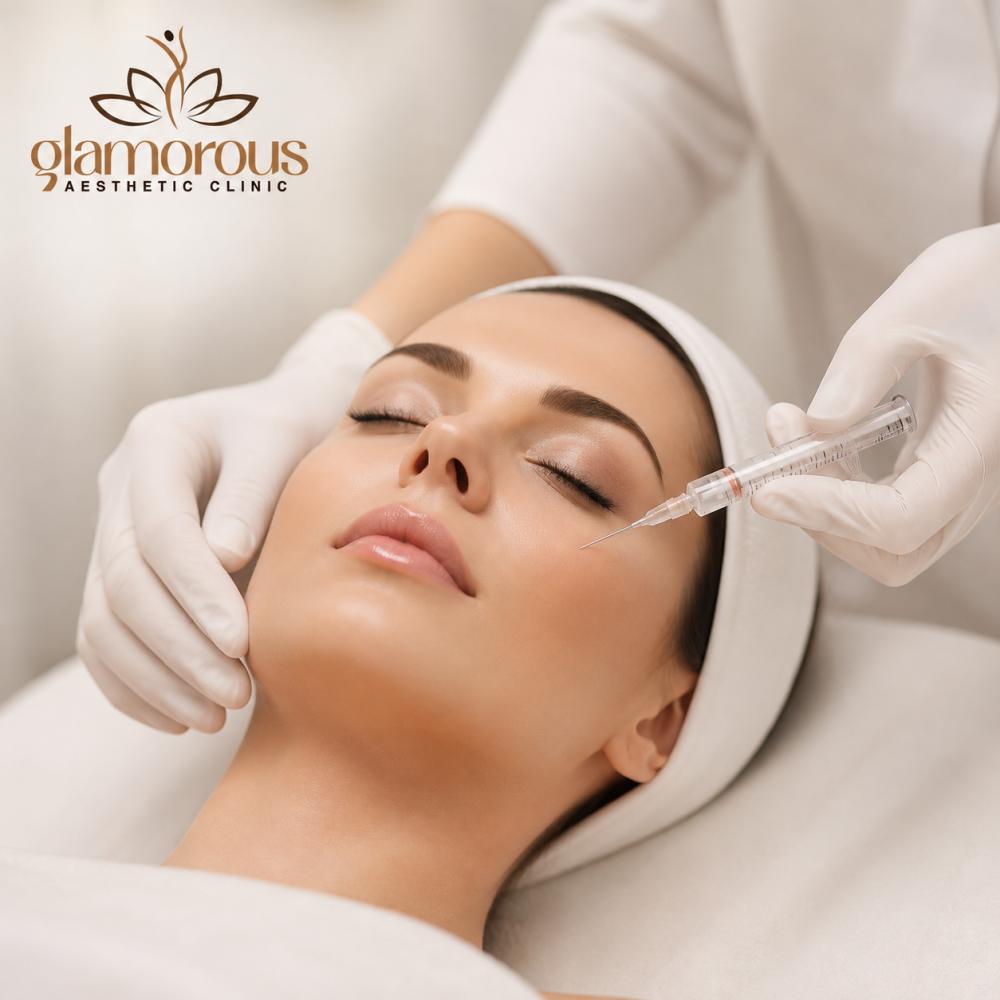
This is the most talked-about option. The medication is delivered directly into the bloodstream either as a quick push or as a slower drip mixed with fluids and vitamins. Because it bypasses the digestive system, absorption is complete. It is also the format that carries the most safety concerns, especially when given by untrained providers, at high doses, or for cosmetic skin lightening. Health authorities in several countries have issued warnings against using injections for this purpose because of limited evidence and possible risks.
Oral Capsules and Tablets
These are the easiest and least invasive choice. Older research suggested that swallowed glutathione is poorly absorbed, but newer formulations, including liposomal and reduced forms, are designed to improve uptake. Oral products are less expensive per session but require consistent use over months, and results tend to be subtle.
Sublingual and Liposomal Forms
These dissolve under the tongue or are encapsulated in tiny fat-based particles to protect the molecule during digestion. They cost more than basic capsules but may offer better absorption than standard tablets.
Topical Products
Creams, serums, and soaps containing glutathione or related ingredients are widely sold. Skin penetration is limited, so effects are generally mild and mostly surface level. They are the cheapest and lowest risk option but should not be expected to change skin tone significantly.
Precursor Supplements
Some people take ingredients the body uses to build its own glutathione, such as N-acetylcysteine, vitamin C, and selenium. This supports natural production and is often discussed alongside other approaches.
Factors That Influence Treatment Cost
There is no universal price, and understanding the variables protects you from both overpaying and falling for suspiciously cheap offers.
Form and Delivery Method
Injectable and intravenous sessions generally cost more than oral or topical products because they involve clinical staff, sterile supplies, and monitoring. Within each category, formulations differ in concentration and quality, which affects price.
Dose and Number of Sessions
Higher doses and longer treatment courses naturally increase the total expense. Clinics often propose a package spread over weeks or months, followed by occasional maintenance. Always ask how many sessions are realistically needed and what happens if you stop early.
Product Quality and Source
Authentic, properly stored products from licensed suppliers cost more than counterfeit or unverified ones. Cheap vials of unknown origin are a major hazard, because fake or diluted products can cause infections, allergic reactions, or no effect at all. Ask to see packaging, batch numbers, and expiry dates.
Clinic Standards and Practitioner Expertise
A professional setting with qualified doctors, sterile equipment, and emergency preparedness has higher operating costs, and these are reflected in pricing. This is the part of the bill that is worth paying for, since safety is the real value in any injectable treatment.
Added Ingredients and Combination Therapies
Many sessions combine glutathione with vitamin C, biotin, or other nutrients, and some are paired with skin treatments such as peels or microneedling. Additional components raise the price, so confirm what is included in your quote.
Consultation and Follow-Up
Initial assessment, any blood tests, and follow-up visits may be bundled into the price or billed separately. A transparent clinic spells this out in advance.
Safety Considerations You Should Know
Glutathione is generally well tolerated in oral forms, but injections carry more risk. Reported problems include allergic reactions, rashes, abdominal discomfort, and in rare cases serious skin reactions or effects on liver and kidney function, particularly with high or prolonged doses. Contaminated products and unsterile technique add risks of infection.
People who are pregnant or breastfeeding, those with asthma, and anyone with liver, kidney, or chronic medical conditions should seek medical advice first, since safety data in these groups is limited. Tell your doctor about all medications and supplements you take.
Who May Benefit and Who Should Be Cautious?
Healthy adults who want antioxidant support or gentle improvement in skin brightness may be reasonable candidates after a proper assessment. Those with skin concerns such as melasma or post-acne marks may find that glutathione works best alongside sunscreen, prescribed topical treatments, and professional skin care instead of by itself.Caution is especially important for anyone expecting dramatic lightening. Chasing a much fairer complexion can lead to repeated high-dose injections, which increases risk without guaranteeing results. A good practitioner will discuss healthy skin goals instead of pushing a color change.
Realistic Expectations
Changes, if they occur, are gradual. Oral products often need two to three months of regular use before any difference becomes visible, while injectable courses may show subtle effects over several weeks. Benefits may fade after stopping, and maintenance may be needed. Sun exposure can undo brightness quickly, so daily sunscreen is essential for anyone seeking tone improvement.Individual response differs widely, and some people notice little change. Taking clear photographs under consistent lighting helps you judge progress honestly.
Choosing a Trustworthy Provider
Look for licensed medical professionals, hygienic facilities, authentic sealed products, and clear explanations of risks and costs. Be wary of providers offering extremely low prices, guaranteed whitening, home injections, or very high doses. A responsible clinic is comfortable saying that a treatment is unnecessary or unsuitable for you.
Conclusion
Glutathione can be a useful supportive treatment, but its cost depends on the delivery method, dose, number of sessions, product authenticity, and the standards of the clinic. Oral and topical options are more affordable and lower risk, while injectable and intravenous routes cost more and demand stricter medical oversight. Because results are modest and vary from person to person, the wisest approach is to begin with an honest consultation, set realistic goals, and prioritize safety over speed or the lowest price. Combine any treatment with sun protection, good nutrition, and healthy habits, and choose a qualified provider who explains everything openly. With careful choices, you can invest in your skin and wellbeing with confidence and without unpleasant surprises.
Read More :
https://eshaal89.livejournal.com/837.html


