








Common Considerations Before Choosing Blepharoplasty

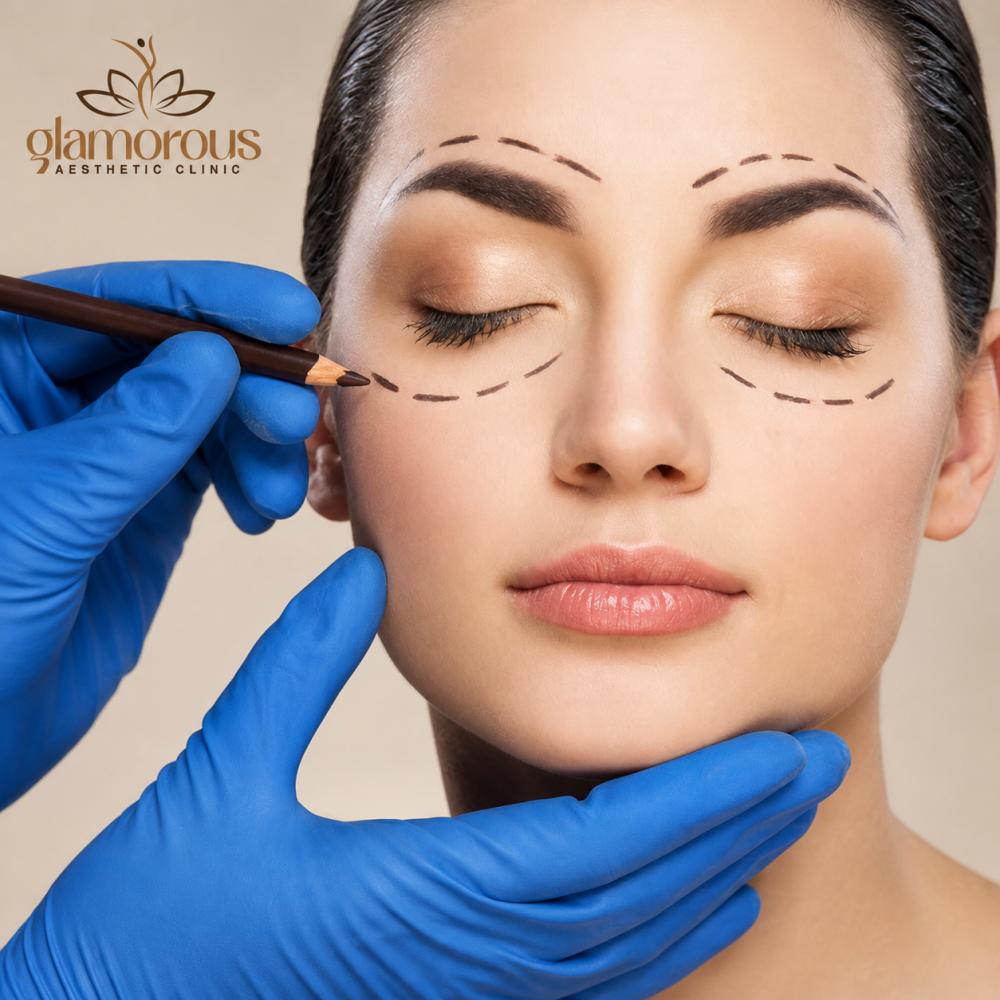
The eyes are often the first feature people notice, and changes around them can make a face look tired, older or less alert than a person feels. Blepharoplasty is a surgical procedure that reshapes the upper eyelids, lower eyelids or both. Many patients exploring Eyelid Surgery in Islamabad want to understand what the procedure involves before they take the next step. Knowing the key considerations in advance helps you decide whether surgery is right for you and prepares you for a smoother experience.
Your Reasons for Wanting Surgery
The first consideration is your own motivation. Some people seek blepharoplasty for cosmetic reasons, such as looking more rested and refreshed. Others have a functional concern, because sagging upper eyelid skin can partly block the upper field of vision. In some cases, the procedure serves both purposes.Be honest with yourself about what you hope to achieve. Surgery works best when expectations are realistic and focused on improvement rather than perfection. A good surgeon will ask about your goals, listen carefully and tell you plainly whether those goals can be met.
Choosing a Qualified Surgeon
The surgeon you choose is the single most important decision in the process. The eyelid area is delicate, and small differences in technique can affect both appearance and function. Look for a surgeon with proper medical qualifications and specific experience in eyelid and facial procedures.During a consultation, consider asking the following questions. How many blepharoplasty procedures do you perform? Can I see before and after photographs of patients with a similar concern? Which technique do you recommend for me and why? What complications can occur, and how do you manage them? A confident, transparent surgeon will answer these questions openly and without pressure.Be careful with any provider who guarantees specific results, rushes your decision or discourages you from asking questions. Surgery is a medical decision, not an impulse purchase.
Your Medical History and Overall Health
A thorough health review is essential before any surgical procedure. Share your full medical history, including previous surgeries, allergies and any long-term conditions. Some health issues can affect healing or raise surgical risks, so they need to be assessed in advance.Conditions that deserve particular attention include dry eye problems, thyroid-related eye conditions, high blood pressure, diabetes and bleeding disorders. Dry eyes matter especially, because eyelid surgery can temporarily worsen dryness. Your surgeon may recommend an eye examination first to confirm that the surgery is safe for you.Tell your surgeon about every medicine and supplement you take. Blood-thinning medicines, aspirin, certain herbal products and anti-inflammatory drugs can increase bleeding, and you may be asked to pause some of them before the operation. Never stop a prescribed medicine without medical guidance.Smoking is another factor. It slows healing and can increase complications, so surgeons usually advise stopping well before and after the procedure.
Understanding Upper, Lower or Combined Surgery
Blepharoplasty is not a single standard operation. Upper eyelid surgery typically involves a small incision hidden in the natural crease of the lid, through which excess skin and fat are removed. Lower eyelid surgery may use an incision just below the lash line or, in some cases, an approach inside the lid with no visible scar.Some patients need only one area treated, while others benefit from both. Your surgeon will examine your eyelids, the position of your brows and your skin quality to recommend the right plan. If your brows sit low, for example, brow lifting rather than eyelid surgery alone may be more suitable. A proper assessment avoids treating the wrong problem.
Anaesthesia and the Procedure Itself
Blepharoplasty is often performed under local anaesthesia with sedation, though general anaesthesia may be used in some cases. Your surgeon will explain which option is recommended and why. The operation itself commonly takes a short time, though the duration depends on how much work is needed.Ask where the surgery will take place and what safety measures are in place. A properly equipped facility with trained staff and emergency preparedness is a basic requirement for any surgical procedure.
Recovery Time and Practical Planning
Recovery is a major consideration, and it is easy to underestimate. In the first days after surgery, swelling, bruising and tightness around the eyes are common. Your eyes may feel dry, sensitive or slightly irritated. Most people find the early discomfort manageable, but it does affect daily life for a while.Plan ahead for time away from work and social commitments. Arrange for someone to help you at home during the first day or two, particularly since your vision may feel blurry and you will be advised to rest. Cold compresses, head elevation and avoiding strenuous activity are usually part of the aftercare advice.You will generally be asked to avoid rubbing your eyes, wearing contact lenses for a period, heavy exercise and exposure to dust or strong sunlight while healing. Following your surgeon’s instructions closely is one of the best ways to support a good outcome. Final results appear gradually as swelling settles over weeks to months, so patience is important.
Cost and Value
Cost is a practical concern for most patients. The total price can depend on the extent of surgery, whether upper, lower or both eyelids are treated, the surgeon’s experience, the facility, anaesthesia and follow-up care. Ask for a clear explanation of what is included so there are no surprises later.Try not to choose purely on price. Lower-cost options may involve compromises in experience, safety standards or follow-up, and corrective surgery can end up costing far more than doing it properly the first time. Look for value, meaning a qualified surgeon, a safe setting and good aftercare at a fair and transparent price.
Setting Realistic Expectations
Blepharoplasty can create a more rested and open look, but it will not stop the natural ageing process. Over time, the face continues to change, and results can last for years, though not forever. Genetics, sun exposure, lifestyle and skin quality all influence how long the improvement remains visible.It is also wise to consider your emotional readiness. Some swelling and bruising during recovery can make you feel self-conscious, and early appearance is not the final result. Patients who understand this stage tend to feel more comfortable throughout healing.
Non-Surgical Alternatives Worth Discussing
Not everyone needs surgery. For mild concerns, your doctor may discuss non-surgical options such as skin tightening treatments, injectables for specific areas or skincare approaches. These generally produce subtler effects than surgery and may need repeating, but they involve less downtime. A good practitioner will outline both surgical and non-surgical routes and help you choose based on your needs rather than pushing one option.
A Simple Checklist Before You Decide
Before committing, make sure you can answer yes to the following. Have you consulted a qualified surgeon and understood the recommended plan? Have you shared your complete medical history? Do you understand the risks, recovery period and aftercare requirements? Is your expectation realistic, and is the cost clearly explained? Have you had enough time to decide without pressure?If any answer is no, pause and gather more information. A well-considered decision is always better than a rushed one.
Conclusion
Blepharoplasty can refresh the look of tired or heavy eyelids and, in some cases, improve vision, but it works best when approached with careful thought. The main considerations are your reasons for surgery, the experience of your surgeon, your medical history, the type of procedure that suits you, the recovery period, the possible risks, the cost and your expectations for the outcome. Taking time to weigh each of these helps you make a safe and confident decision. Book a detailed consultation, ask every question you have and choose a plan that fits your needs and your health.
Read More :
https://gamma.app/docs/Eyelid-Surgery-Myths-Facts-and-Patient-Education-bojatjnl9rw6tm2


