








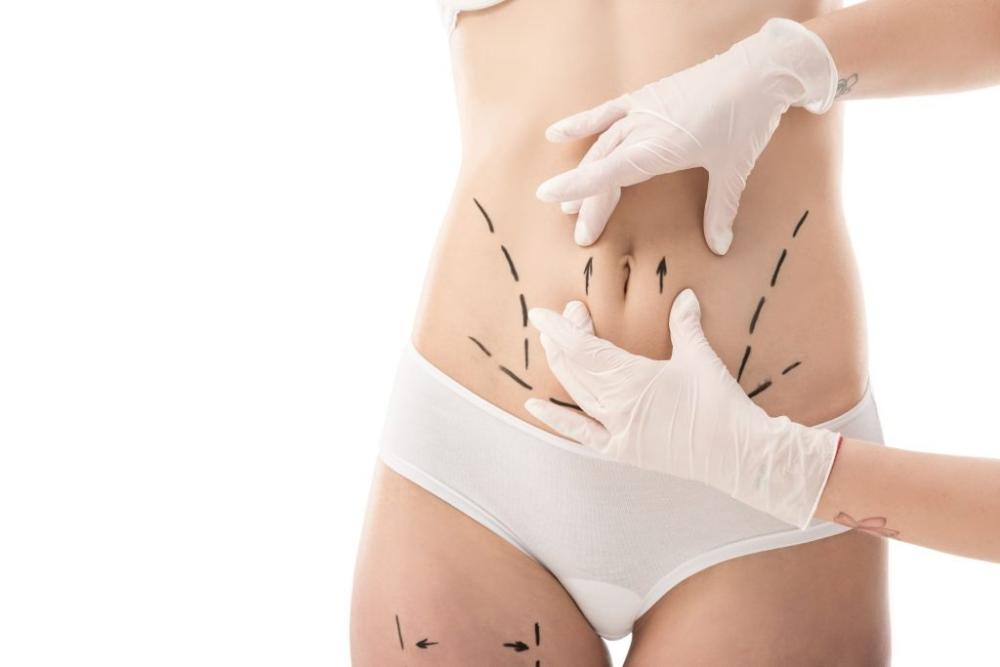
Shape Your Body With Liposuction in Dubai at Our Clinic

Liposuction is a cosmetic procedure designed to remove stubborn pockets of fat and improve body contours in areas that may not respond as expected to diet and exercise. For people who are close to their desired weight but struggle with localised fat deposits, the procedure can help create a more proportionate silhouette. Interest in Liposuction in Dubai continues to grow as individuals explore personalised body contouring options and access to modern aesthetic treatments.
Common treatment areas include the abdomen, waist, hips, thighs, upper arms, back, and chin. Depending on the patient's anatomy and goals, a surgeon may recommend treating one area or combining several areas during a planned procedure. The appropriate approach depends on factors such as skin elasticity, fat distribution, medical history, and overall health.
It is important to understand that liposuction is not a weight-loss treatment or a substitute for a balanced lifestyle. It is primarily intended to address localised fat deposits and refine body shape. Patients with significant loose skin may require a different or additional procedure to achieve their desired contour.
Dubai offers a range of cosmetic clinics and hospitals where patients can explore surgical body contouring. Choosing a provider requires more than comparing prices or promotional offers. Surgeon qualifications, facility standards, the consultation process, and postoperative support all contribute to a well-informed decision.
Before proceeding, prospective patients should discuss their expectations, potential risks, recovery requirements, and likely outcomes with a qualified plastic surgeon. A personalised assessment helps establish whether liposuction is appropriate and which treatment plan best suits their needs.
Enfield Royal Clinic
Enfield Royal Clinic is an option for individuals exploring cosmetic treatments and personalised body contouring in Dubai. Patients considering Liposuction in Dubai can use a consultation to discuss areas of concern, their desired body proportions, and the treatment options that may be suitable for their anatomy.
An important part of the decision-making process is understanding what liposuction can realistically achieve. The amount of fat that can be removed safely, the condition of the skin, and the distribution of remaining fat all influence the final contour. Patients should ask about the surgeon performing the procedure, their relevant qualifications, the surgical facility, and the arrangements for follow-up care.
A detailed consultation should also cover anaesthesia, recovery expectations, possible complications, and whether additional procedures may be appropriate. These discussions help patients make informed decisions rather than relying on general promises about results. Prospective patients should confirm the clinic's current surgical arrangements and the credentials of the treating specialist before booking.
Emirates Hospital
Emirates Hospital is a healthcare provider in Dubai that offers medical services across different specialties. For patients considering cosmetic surgery, a hospital-based consultation can provide an opportunity to discuss their health history, treatment goals, and suitability for a surgical procedure.
Liposuction requires an individual assessment because not every patient is an appropriate candidate. A consultation should include a review of existing medical conditions, medications, previous operations, and factors that could affect healing. Patients should also clarify which specialist will perform the procedure and where the surgery will take place.
When comparing providers, it is useful to ask about anaesthesia arrangements, emergency protocols, postoperative monitoring, and access to medical support during recovery. These considerations are particularly important when the planned procedure involves multiple body areas.
Cocoona Clinic
Cocoona Clinic is another name patients may encounter when researching cosmetic and aesthetic services in Dubai. Individuals interested in body contouring should focus on whether the provider offers an appropriate surgical pathway for their needs and whether the treating specialist has experience with the specific areas they want to address.
Liposuction techniques can differ according to the treatment area, the amount of fat involved, and the patient's skin characteristics. A surgeon should explain the proposed technique, its potential advantages, its limitations, and the risks associated with the procedure. Patients should also ask whether loose skin could remain after fat removal and whether another treatment would be more appropriate.
A thorough assessment should establish realistic goals and provide clear information about recovery, compression garments, activity restrictions, and follow-up appointments. Reviewing these details before committing to treatment helps patients understand the complete process.
Al Zahra Hospital Dubai
Al Zahra Hospital Dubai provides a hospital setting for a range of healthcare services. Patients exploring cosmetic surgery can enquire about the availability of relevant specialists and the arrangements for assessment, surgery, and postoperative care.
Suitability for liposuction depends on more than the presence of stubborn fat. A surgeon will generally assess body composition, skin elasticity, medical history, and the patient's expectations before recommending treatment. Some individuals may benefit from liposuction alone, while others with considerable skin laxity may need to consider alternative or combined procedures.
Patients should ask for a clear explanation of the expected benefits, potential complications, and recovery timeline. It is also worth confirming the qualifications of the surgeon, the standards of the operating facility, and the process for managing complications if they arise.
Dynamic Life Clinic
Dynamic Life Clinic is among the providers patients can research when comparing aesthetic treatment options in Dubai. For anyone considering surgical body contouring, the key question is whether the proposed treatment is appropriate for their goals, anatomy, and health requirements.
Liposuction is commonly used to address localised fat deposits around the abdomen, flanks, thighs, arms, and other areas. However, the procedure does not reliably correct cellulite or tighten substantial amounts of loose skin. Understanding these limitations is essential when setting realistic expectations.
Patients should discuss the proposed treatment plan with the qualified surgeon who will perform the procedure. Important questions include how the treatment area will be assessed, what type of anaesthesia will be used, how recovery will be managed, and when normal activities can resume. Clear communication before surgery can help patients prepare for the physical and practical demands of recovery.
Tajmeels Clinic
Tajmeels Clinic is another provider to consider when researching cosmetic treatments in Dubai. Individuals interested in improving their body contours should seek a consultation that addresses their specific concerns rather than relying on a standardised treatment recommendation.
During an assessment, the surgeon should examine the areas where fat removal is being considered and evaluate skin elasticity, body proportions, and general health. These factors help determine whether liposuction alone is likely to produce a satisfactory contour or whether another approach may be more suitable.
Patients should request information about the surgeon's experience, the technique being proposed, the expected recovery period, and the total cost of treatment. It is also important to understand which follow-up appointments are included and how postoperative concerns will be handled. These details allow patients to compare providers based on clinical suitability and quality of care.
Dubai Cosmetic Surgery Clinic
Dubai Cosmetic Surgery Clinic is another option to investigate when researching surgical and non-surgical cosmetic procedures. Patients interested in liposuction should establish whether the clinic's current services match their treatment requirements and whether an appropriately qualified surgeon is available.
A useful consultation should explain how fat removal may affect the body's proportions and what limitations apply to the proposed procedure. For example, removing fat from the abdomen may improve its contour, but it will not necessarily correct abdominal muscle separation or substantial excess skin. A different procedure may be needed when these concerns are present.
Patients should also discuss the possibility of uneven contours, fluid accumulation, infection, bleeding, changes in sensation, and other surgical complications. A transparent explanation of risks and aftercare requirements is an important part of informed consent. Before proceeding, patients should confirm the operating location, the treating surgeon's credentials, and the availability of postoperative support.
King's College Hospital London Dubai
King's College Hospital London Dubai is part of a healthcare network offering medical services in the UAE. Patients considering cosmetic surgery can enquire about relevant specialist services and whether the hospital provides an appropriate pathway for their individual requirements.
A comprehensive assessment is particularly important for patients who have medical conditions, take regular medication, or are considering treatment across several body areas. The treating specialist should evaluate the patient's health and explain whether surgery is advisable, what preparation is required, and how recovery will be monitored.
Before making a decision, patients should clarify the surgeon's experience with liposuction, the surgical setting, anaesthesia arrangements, and the plan for follow-up care. These practical considerations can help patients compare providers and make decisions based on clinical standards rather than advertising alone.
How to Choose the Right Clinic for Liposuction in Dubai
Selecting a suitable provider requires careful consideration of clinical expertise, safety, communication, and the expected outcome. The following factors can help patients evaluate their options.
Experience and Qualifications
Check that the surgeon is appropriately licensed and qualified to perform cosmetic surgery in Dubai. Ask about their experience with liposuction, particularly in the body areas you want to treat. Relevant training and experience are important when planning fat removal and managing potential complications.
Patients should also clarify who will perform the surgery rather than assuming that the specialist conducting the initial consultation will be the operating surgeon.
Technology and Techniques
Different liposuction methods may be recommended depending on the patient's anatomy, treatment area, and surgical goals. The surgeon should explain why a particular technique is appropriate and discuss its limitations.
Advanced equipment does not automatically guarantee better results. The surgeon's judgement, suitable patient selection, and careful surgical technique remain essential. Ask whether the proposed method is suitable for your needs rather than choosing a procedure solely because it is marketed as the latest technology.
Safety Standards
Confirm that the procedure will take place in an appropriately licensed surgical facility with suitable anaesthesia and monitoring arrangements. Ask about infection prevention, emergency protocols, and how complications are managed.
Patients should disclose their medical history, allergies, medications, and previous operations. Smoking, certain medical conditions, and some medications can influence surgical risks or healing, so these factors should be discussed before treatment.
Consultation Process
A meaningful consultation should involve an assessment of the treatment areas, a review of medical history, and a discussion of the patient's goals. The surgeon should explain whether liposuction is suitable and whether alternative treatments may provide a better outcome.
Patients should receive clear information about the procedure, preparation, costs, potential complications, and aftercare. They should also have sufficient time to ask questions before making a decision.
Patient Experience and Aftercare
The quality of care extends beyond the operation itself. Ask how follow-up appointments are arranged, whom to contact if a concern develops, and what support is available during recovery.
Useful questions include how long compression garments should be worn, when exercise can resume, and how swelling or discomfort will be managed. Clear instructions and accessible follow-up support can make the recovery process easier to navigate.
Expected Results
Liposuction results vary according to the treatment area, the amount of fat removed, skin elasticity, individual healing, and the surgeon's technique. Swelling and bruising are common during the initial recovery period, so the final contour may take several months to become apparent.
The procedure removes fat cells from treated areas, but remaining fat cells can enlarge if a person gains weight. Maintaining a stable weight and following healthy lifestyle habits can help preserve the results. Patients should seek realistic expectations rather than guarantees of a particular body shape.
Frequently Asked Questions
Is liposuction suitable for weight loss?
No. Liposuction is intended to remove localised fat deposits and improve body contours, not to treat obesity or replace weight-management strategies. Patients who are near a stable, healthy weight may be more suitable candidates, depending on their medical assessment.
Which body areas can liposuction treat?
Common treatment areas include the abdomen, waist, hips, thighs, upper arms, back, and chin. The appropriate areas depend on the patient's anatomy, health, and goals. A qualified surgeon can explain which areas are suitable for treatment.
How long does recovery take after liposuction?
Recovery varies depending on the extent of surgery and the individual's healing process. Many patients need several days to a couple of weeks before returning to routine activities, while strenuous exercise may need to be postponed for longer. Swelling can persist for several weeks or months, and the surgeon's instructions should guide recovery.
Is liposuction permanent?
Fat cells removed during liposuction do not grow back in the treated areas. However, the remaining fat cells can enlarge with weight gain, affecting the body's contours. Maintaining a stable weight can help preserve the outcome, although ageing and other changes may still influence body shape.
What are the risks of liposuction?
Potential risks include bruising, swelling, infection, bleeding, fluid accumulation, contour irregularities, changes in sensation, and complications related to anaesthesia. More serious complications can also occur. A qualified surgeon should explain the risks relevant to the patient's health and proposed procedure before consent is obtained.
Conclusion
Liposuction can be an option for individuals seeking to refine their body contours and address stubborn fat deposits that persist despite a stable weight and healthy lifestyle. Choosing a suitable provider requires careful evaluation of surgeon qualifications, surgical safety, treatment planning, and postoperative care. Patients should compare clinics according to their individual needs and seek clear answers about expected outcomes, costs, and potential risks before proceeding.
For those researching Liposuction, a personalised consultation is an important first step toward understanding which approach may be appropriate. By setting realistic goals, reviewing the available options, and prioritising qualified surgical care, patients can make a more informed decision about their body contouring journey.


