








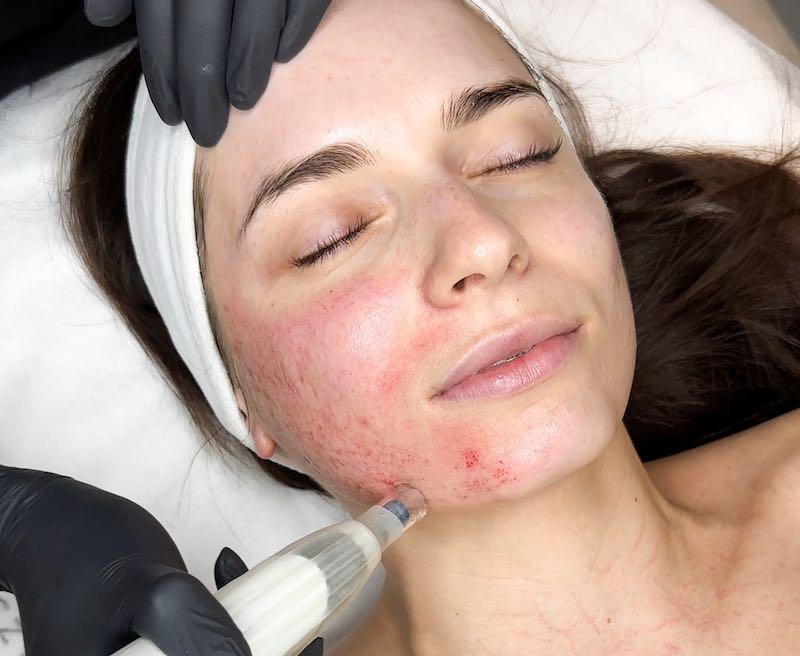
Can Rosacea Treatment Help Control Recurrent Redness?

Recurring facial redness can be frustrating, especially when it appears unexpectedly or becomes more noticeable after exposure to sunlight, heat, stress, or certain skincare products. For people with rosacea, these episodes may affect not only their skin's appearance but also their confidence and daily comfort. Understanding the available options for Rosacea Treatment in Dubai can help individuals learn how to manage flare-ups, identify personal triggers, and support healthier-looking skin. Although rosacea is a chronic skin condition without a permanent cure, appropriate treatment and consistent skincare can often help reduce redness and improve symptom control over time.
Understanding Why Rosacea Causes Recurrent Redness
Rosacea is a chronic inflammatory skin condition that commonly affects the cheeks, nose, chin, and forehead. It may cause persistent redness, visible blood vessels, small bumps, and episodes of flushing. Some individuals also experience burning, stinging, dryness, or eye irritation.
Recurrent redness can happen because the skin becomes unusually reactive to certain environmental and internal triggers. Blood vessels may widen temporarily, creating visible flushing, while inflammation can contribute to redness that remains for longer periods.
Common Triggers of Rosacea Flare-Ups
Identifying personal triggers is an important step toward managing rosacea. Common triggers include:
-
Sun exposure and excessive heat
-
Hot drinks and spicy foods
-
Alcohol consumption
-
Emotional stress and intense exercise
-
Sudden temperature changes
-
Fragranced skincare products or harsh cleansers
Not everyone reacts to the same triggers. Keeping a simple diary of redness episodes, daily activities, weather conditions, and skincare products can help reveal patterns.
Can Rosacea Treatment Help Control Redness?
Yes, appropriate rosacea treatment can help reduce recurrent redness, control inflammation, and improve the overall appearance of the skin. However, the results depend on the type of rosacea, symptom severity, individual triggers, and the treatment selected.
A dermatologist can assess the skin and recommend an approach suited to the patient's specific concerns. Treatment may involve prescription medications, light-based procedures, gentle skincare, or a combination of these strategies.
Prescription Treatments for Inflammatory Symptoms
When rosacea causes persistent bumps and inflammatory lesions, a healthcare professional may recommend prescription topical treatments. Depending on the symptoms, options can include azelaic acid, ivermectin, or metronidazole.
These medications help manage inflammatory features of rosacea, although their effects on persistent background redness may differ. For certain patients, oral medication may also be considered.
Treatment should always be individualized. Using multiple active ingredients without professional guidance can irritate sensitive skin and potentially worsen redness.
Laser and Light-Based Treatments
Laser and intense pulsed light (IPL) procedures may help reduce visible blood vessels and persistent redness in suitable patients. These treatments target blood vessels beneath the skin, making them useful for certain vascular features of rosacea.
The number of sessions required varies, and results are not guaranteed to be permanent. Temporary swelling, redness, or sensitivity can occur after treatment, while less common complications may include burns or pigment changes.
A qualified professional should assess skin type, medical history, and the specific device before recommending a procedure.
How Daily Skincare Supports Better Redness Control
Professional treatment is only one part of managing recurrent redness. A gentle, consistent skincare routine can help protect the skin barrier and reduce irritation between flare-ups.
Choose Gentle Cleansing and Moisturizing Products
Use a mild, fragrance-free cleanser and lukewarm water rather than hot water. Avoid aggressive scrubbing, rough exfoliation, and products that cause stinging or burning.
A moisturizer designed for sensitive skin can help maintain hydration and support the skin barrier. Introduce new products gradually, and discontinue any product that consistently worsens symptoms.
Make Sun Protection a Daily Habit
Sun exposure is a common rosacea trigger, so daily sun protection is especially important. Choose a broad-spectrum sunscreen with SPF 30 or higher and reapply as directed when spending time outdoors.
Hats, shade, and avoiding intense midday sunlight can provide additional protection. Consistent sun protection may help reduce flare-ups and prevent further irritation.
Lifestyle Changes That May Reduce Flare-Ups
Small daily adjustments can make recurrent redness easier to manage. If exercise triggers flushing, try exercising in a cooler environment, using a fan, and taking breaks when needed. Allow hot drinks to cool before consuming them if heat is a personal trigger.
Stress-management techniques, such as gentle breathing exercises and adequate sleep, may also help some individuals. Rather than following restrictive diets, focus on identifying the specific foods, drinks, or activities that reliably trigger your symptoms.
When Should You Seek Professional Advice?
Consider consulting a dermatologist if redness persists, becomes more frequent, or occurs alongside bumps, visible blood vessels, or uncomfortable skin sensations. Early assessment can help distinguish rosacea from other conditions, including contact dermatitis and acne.
Eye symptoms deserve particular attention. Dryness, irritation, swollen eyelids, or a gritty sensation may indicate ocular rosacea. Eye pain, light sensitivity, or changes in vision require prompt medical assessment.
Final Thoughts
Rosacea treatment can help control recurrent redness, but successful management usually requires a personalized and consistent approach. Prescription treatments, suitable laser or light-based procedures, gentle skincare, and trigger awareness can all contribute to improved symptom control. While flare-ups may still occur, understanding your skin and responding early can make them easier to manage. If you are exploring Rosacea Treatment in Dubai, seek professional guidance to identify the most appropriate options for your skin type, symptoms, and long-term skincare goals.


