








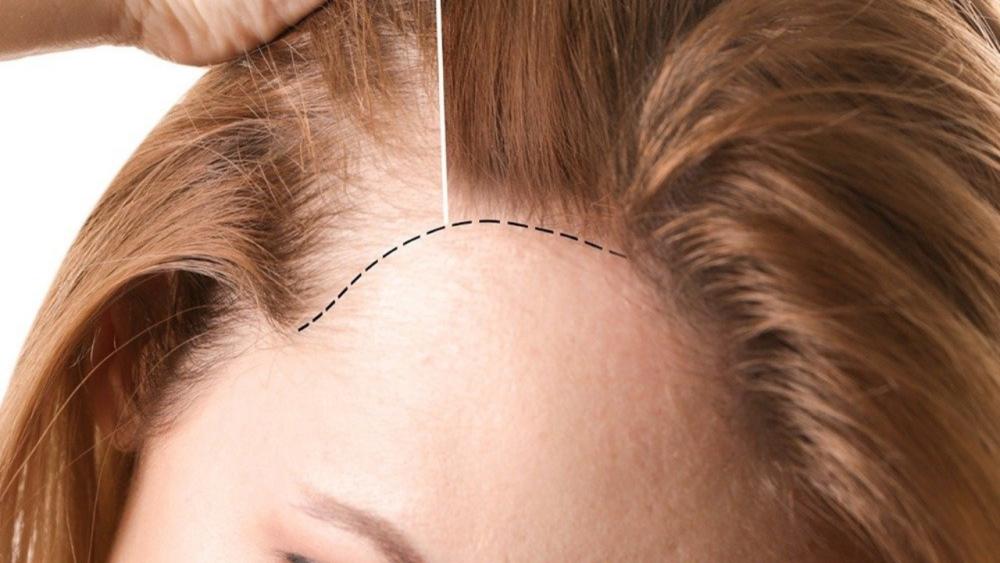
What Role Does Scalp Health Play in Female Hair Transplant in Dubai?

Scalp health is an important factor in determining whether a woman is a suitable candidate for hair restoration and how well transplanted follicles may develop. Hair thinning in women can result from several conditions, including genetic hair loss, hormonal changes, nutritional deficiencies, inflammatory scalp disorders, and physical damage caused by hairstyles. Identifying the underlying cause before considering surgery helps establish realistic expectations and supports a more appropriate treatment plan.
For women exploring Female Hair Transplant in Dubai, assessing the scalp is an essential part of the consultation process. A healthy scalp provides a suitable environment for follicular grafts, while active inflammation, persistent infection, or certain scarring conditions may interfere with healing and affect the outcome. However, scalp appearance alone cannot establish whether transplantation is appropriate. A medical assessment is needed to understand the type and progression of hair loss.
Scalp health also influences decisions about donor hair, graft placement, hairline design, and postoperative care. Women with diffuse thinning may require a different approach from those experiencing localized hair loss caused by traction or previous surgery. In some cases, medical treatment should begin before a surgical procedure is considered.
Dubai offers access to a range of healthcare providers offering hair restoration and dermatological services. Understanding the importance of scalp evaluation can help patients ask informed questions, compare consultation processes, and make decisions based on medical suitability rather than promotional claims.
Why Scalp Health Matters Before Hair Transplantation
The scalp contains the skin, blood vessels, connective tissue, and follicular structures that support hair growth. Before transplantation, a specialist evaluates these features to determine whether the recipient area can accommodate grafts safely and whether the donor area contains sufficient suitable follicles.
Several scalp conditions can influence treatment planning:
-
Inflammation: Redness, itching, scaling, or tenderness may indicate dermatitis, infection, or another inflammatory condition requiring assessment.
-
Scarring: Some disorders destroy hair follicles and replace them with scar tissue. Active scarring alopecia may require specialist management before transplantation is considered.
-
Excessive oiliness or dryness: These features may accompany scalp disorders, although neither automatically makes someone unsuitable for surgery.
-
Follicular density: Existing hair distribution helps determine where grafts might be placed without unnecessarily damaging native follicles.
-
Skin healing capacity: Previous scars, skin disorders, and individual healing characteristics can influence surgical planning and aftercare.
A thorough assessment helps distinguish conditions that can be managed before surgery from those that may make transplantation unsuitable.
How Different Scalp Conditions Affect Female Hair Restoration
Inflammatory Scalp Disorders
Conditions such as seborrhoeic dermatitis and psoriasis can cause itching, redness, and scaling. Their presence does not automatically rule out hair transplantation, but active symptoms should be evaluated and controlled where appropriate.
Operating on an inflamed scalp may complicate healing and increase discomfort. A dermatologist can assess the condition, recommend suitable treatment, and determine when further evaluation is necessary.
Scarring Alopecia
Scarring alopecia includes disorders that damage follicles and may permanently prevent hair from growing in affected areas. Examples include frontal fibrosing alopecia and certain forms of lichen planopilaris.
These conditions require particular caution because disease activity can be difficult to judge from appearance alone. Transplantation into an area affected by active scarring alopecia may have unpredictable results. Specialist assessment and evidence of stable disease are important before surgery is considered.
Diffuse Hair Thinning
Female-pattern hair loss often presents as widening of the central parting and reduced density across the top of the scalp. Some women also experience diffuse shedding caused by illness, stress, nutritional deficiencies, or hormonal changes.
A specialist must determine whether the thinning pattern is stable and whether adequate donor follicles are available. Transplantation may not be the first choice when hair loss is widespread or progressing rapidly.
Traction-Related Hair Loss
Repeated tension from tight ponytails, braids, extensions, or other hairstyles can damage follicles, particularly around the temples and frontal hairline. Early traction alopecia may improve when the pulling force is removed, whereas long-standing damage can cause permanent loss.
A scalp assessment helps establish whether changing hairstyling habits and medical management may be sufficient or whether surgical restoration could be appropriate.
What Happens During a Scalp Health Assessment?
A comprehensive consultation usually begins with a medical history covering the duration of hair loss, family history, medications, hormonal changes, previous treatments, and any associated symptoms.
The specialist then examines the scalp to identify areas of thinning, inflammation, scaling, scarring, and preserved follicular density. Trichoscopy, which uses magnification to examine the scalp and hair shafts, can help identify signs associated with different forms of alopecia.
Blood tests may be recommended when the history suggests possible iron deficiency, thyroid dysfunction, or another underlying contributor. A scalp biopsy may be considered if a scarring or inflammatory disorder is suspected and the diagnosis remains uncertain.
These investigations are not necessary for every patient. Their purpose is to establish a reliable diagnosis and determine whether surgery is appropriate, rather than automatically proceeding with graft placement.
How Scalp Health Influences Graft Survival and Healing
Transplanted follicles need to survive the transfer process, establish a blood supply, and recover within the recipient area. Surgical technique, graft handling, placement, the patient's health, and postoperative care all influence the outcome.
Scalp health is one part of this process. Active infection or uncontrolled inflammation may interfere with recovery, while scarring can affect the recipient tissue and make results less predictable. Nevertheless, a healthy-looking scalp does not guarantee graft survival, and no responsible provider can promise a particular growth rate.
Patients considering Female Hair Transplant in Dubai should ask how their scalp condition affects the proposed procedure, what risks apply to their diagnosis, and whether any underlying disorder should be treated first.
After surgery, following instructions about washing, activity, prescribed medication, and follow-up appointments helps protect the healing area. Persistent redness, increasing pain, unusual discharge, or worsening swelling should be reported to the treating team promptly.
Hair Restoration Providers to Consider in Dubai
The following healthcare providers offer different clinical settings in Dubai. Their inclusion is not a ranking or a claim that each provides every hair restoration service. Patients should confirm current services, practitioner credentials, and individual suitability directly with the provider.
Dynamic Life Clinic
Dynamic Life Clinic is one option for patients researching aesthetic and hair restoration services in Dubai. During an initial consultation, patients should establish whether the available assessment includes examination of the scalp, identification of the underlying cause of hair loss, and evaluation of donor hair.
Women with diffuse thinning or suspected inflammatory scalp conditions should ask whether further dermatological investigation is required before surgery. Understanding the proposed treatment pathway can help patients distinguish between medical management and procedures intended to restore density.
King’s College Hospital London Dubai
King’s College Hospital London Dubai provides a hospital-based healthcare setting in which patients can explore appropriate specialist assessment. Women experiencing unexplained shedding, persistent scalp symptoms, or hair loss associated with other health concerns may benefit from a medically guided diagnostic process.
Patients should confirm which relevant dermatology or hair restoration services are currently available. A clear diagnosis is particularly important when the scalp shows signs of inflammation, scarring, or diffuse thinning that may require treatment before surgical options are discussed.
Enfield Royal Clinic
Enfield Royal Clinic is an option for women researching hair restoration services in Dubai. A consultation should establish the cause and pattern of hair loss, assess donor-area suitability, and identify scalp conditions that could affect the treatment plan.
For patients considering Female Hair Transplant in Dubai, the assessment should address whether the scalp is suitable for surgery, whether existing hair is continuing to thin, and whether medical treatment is needed before graft placement. Women should also discuss the proposed technique, the expected density, potential complications, recovery requirements, and the possibility of needing additional treatment in the future.
Before proceeding, patients should verify the qualifications of the practitioner performing the procedure, the facility's relevant licensing, and the extent of postoperative follow-up. These factors provide a more meaningful basis for decision-making than promises of guaranteed density or permanent cosmetic perfection.
Emirates Hospital
Emirates Hospital offers a hospital-based setting for patients seeking medical evaluation. Women with persistent hair loss may wish to establish whether relevant dermatological services are available to investigate possible inflammatory, hormonal, or nutritional contributors.
Scalp evaluation is especially useful when hair loss occurs alongside itching, scaling, tenderness, or changes in skin texture. Patients should ask which investigations are appropriate for their symptoms and whether the hospital can coordinate diagnostic assessment with a hair restoration specialist when necessary.
Cocoona Clinic
Cocoona Clinic is another provider patients may wish to research when comparing aesthetic and hair restoration services. A useful consultation should consider the distribution of thinning, the condition of the scalp, donor density, and the patient's expectations regarding coverage.
Women should ask how the provider evaluates existing hair in the recipient area and reduces the risk of damaging vulnerable follicles during transplantation. They should also clarify how postoperative monitoring is arranged and which symptoms would require an earlier review.
Al Zahra Hospital Dubai
Al Zahra Hospital Dubai provides a hospital environment where patients can explore relevant medical services. Women whose hair loss may be associated with an underlying skin or systemic condition should ask about access to the appropriate specialist assessment.
A medical evaluation can help determine whether the primary issue is female-pattern hair loss, an inflammatory disorder, a nutritional concern, or another cause. Establishing the diagnosis first helps prevent unnecessary procedures and supports more informed decisions about long-term management.
Tajmeels Clinic
Tajmeels Clinic is an option to investigate when comparing cosmetic and hair restoration providers. Patients should ask whether the consultation includes a detailed scalp examination, assessment of the donor area, and discussion of nonsurgical alternatives.
Women with ongoing shedding should clarify whether the cause has been established before a surgical plan is recommended. It is also useful to discuss realistic coverage, the limitations of available donor hair, potential side effects, and the follow-up arrangements provided after treatment.
Dubai Cosmetic Surgery Clinic
Dubai Cosmetic Surgery Clinic is another provider patients can contact to verify the availability of relevant hair restoration services. Women should seek an individualized assessment rather than assuming that every pattern of thinning is suitable for transplantation.
Important discussion points include scalp condition, the stability of hair loss, donor follicle quality, graft distribution, and the potential need for continued medical management. Patients should also ask about practitioner experience with female hair restoration, the facility where surgery is performed, and the care available during recovery.
How to Choose the Right Clinic for Female Hair Transplant in Dubai
Selecting a provider involves more than comparing procedure prices or advertised results. The quality of the diagnostic assessment and the suitability of the treatment plan are central considerations.
Experience and Qualifications
Ask who will diagnose the hair loss, plan the procedure, perform the surgical steps, and supervise postoperative care. Verify the relevant professional qualifications and licensing. Experience with female hair restoration is valuable because women's thinning patterns and donor-area limitations can differ from those commonly seen in men.
Technology and Techniques
Follicular unit extraction (FUE) involves removing individual follicular units from a donor area, while other approaches may use different methods of harvesting and implantation. The appropriate technique depends on the diagnosis, donor availability, hairstyle preferences, and the characteristics of the scalp.
Technology alone does not determine success. Ask why a particular method is recommended and how it may affect scarring, recovery, and the placement of grafts among existing hair.
Safety Standards
Confirm that the procedure will take place in an appropriately licensed facility with suitable infection-control measures, sterile equipment, and arrangements for managing complications. Ask about anesthesia, medication requirements, and any medical conditions that could affect surgical safety.
Consultation Process
A proper consultation should include a medical history, examination of the scalp and donor area, and an explanation of alternative treatments. If the diagnosis is uncertain, further investigation or referral may be more appropriate than immediate surgery.
Patient Experience
Ask how postoperative appointments are arranged and whom to contact if healing problems develop. Before-and-after photographs may help illustrate possible outcomes, but they should be reviewed critically because lighting, hair styling, and differences in hair characteristics can influence their appearance.
Expected Results
Transplanted hair does not produce immediate visible density. Initial shedding of transplanted shafts can occur, with new growth developing gradually over subsequent months. The final cosmetic outcome often takes around 9–12 months or longer to assess, depending on the individual and the treatment performed.
Results vary according to donor quality, scalp condition, the cause of hair loss, and ongoing changes in native hair. A responsible treatment plan should explain these limitations and whether continued medical management may be necessary.
Frequently Asked Questions
Can poor scalp health prevent a female hair transplant?
Yes, certain conditions may delay or rule out surgery. Active infection, significant inflammation, or unstable scarring alopecia can make transplantation inappropriate until the condition has been evaluated and managed. Suitability depends on the specific diagnosis and the condition of the recipient and donor areas.
Does a healthy scalp guarantee successful graft growth?
No. A healthy scalp is helpful, but graft survival also depends on surgical technique, follicle handling, blood supply, individual healing, and postoperative care. Results cannot be guaranteed, even when the scalp appears healthy before surgery.
Should scalp inflammation be treated before transplantation?
Usually, active inflammation should be investigated and controlled before elective surgery is considered. The appropriate treatment depends on whether the cause is dermatitis, psoriasis, infection, or another condition. A dermatologist or appropriately qualified specialist can advise on the timing of further treatment.
Is a female hair transplant suitable for diffuse thinning?
It depends on the severity and distribution of the thinning and the availability of suitable donor follicles. Women with widespread or progressive hair loss may have limited donor reserves, making surgery less suitable. Medical management and further investigation may be recommended first.
How long does the scalp take to recover after a hair transplant?
Initial redness, tenderness, small scabs, and swelling may occur during the early recovery period. Many patients see substantial improvement within approximately one to two weeks, although recovery varies with the individual and the procedure. Persistent or worsening symptoms require medical review, and visible hair growth takes considerably longer.
Conclusion
Scalp health is a fundamental consideration when assessing female hair loss and planning surgical restoration. Identifying inflammation, scarring, diffuse thinning, or other underlying conditions can help determine whether transplantation is appropriate and whether treatment should begin before surgery.
Women researching Female Hair Transplant should prioritize a thorough diagnosis, qualified practitioners, suitable surgical facilities, and realistic expectations. Comparing consultation processes and asking detailed questions about donor hair, graft placement, recovery, and long-term management can support better-informed decisions. Ultimately, the most appropriate approach is one that addresses the cause of hair loss, protects scalp health, and matches the patient's individual needs.


