








How Many PRP Sessions Are Needed in Islamabad?
Platelet-rich plasma therapy has become one of the most talked-about non-surgical treatments in aesthetic and regenerative medicine. It uses a concentrated portion of your own blood to encourage the body’s natural repair processes in the skin and scalp. Because it relies on your own biological material, many people see it as a gentler alternative to synthetic products. For anyone considering PRP in Islamabad one of the first practical questions is how many sessions will actually be needed to see meaningful improvement. The answer depends on your goals, your starting condition and how your body responds, and this guide explains each of those factors.
What Is PRP Treatment?
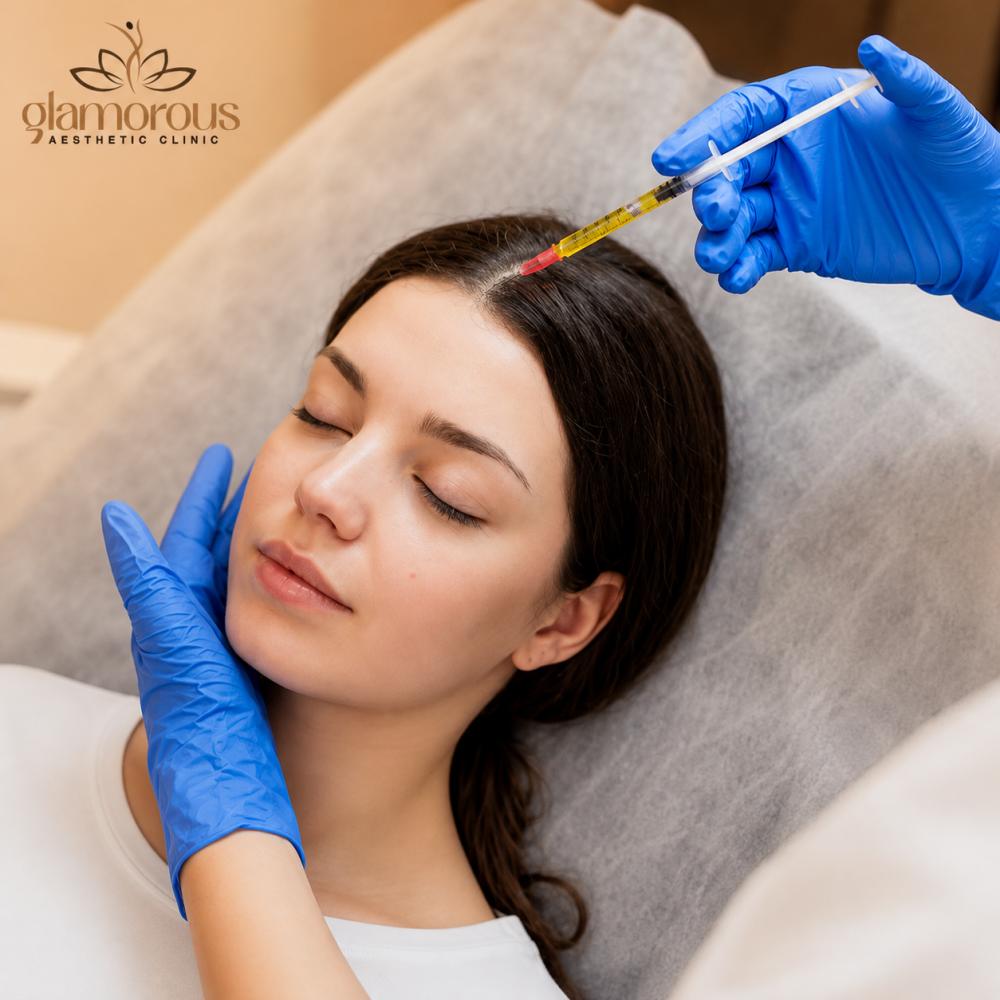
PRP stands for platelet-rich plasma. A small sample of blood is drawn from your arm and placed in a centrifuge, which separates the blood into its components. The layer rich in platelets is collected and then applied or injected into the area being treated.Platelets contain growth factors, which are proteins involved in healing and tissue renewal. When delivered to the skin or scalp, these growth factors are thought to stimulate collagen production, improve skin quality and support hair follicles. The treatment is generally performed in a clinic without surgery and without general anesthesia.
Common Uses of PRP
PRP is most often used for facial skin rejuvenation, sometimes called a PRP facial, and for hair thinning treatment on the scalp. It is also used to improve skin texture, fine lines, dullness, under-eye concerns, mild acne scarring and stretch marks. Some practitioners combine it with microneedling to improve how the product reaches the skin.
Potential Benefits of PRP
Patients who respond well to PRP often report smoother texture, improved radiance and a firmer feel to the skin. Some notice a reduction in the appearance of fine lines and mild scarring. In hair treatment, the goal is typically to improve hair density, strengthen existing hair and slow thinning.Because the treatment uses your own plasma, it is generally well tolerated. Results appear gradually, which many people find looks natural and subtle. PRP can also complement other treatments, which gives practitioners flexibility in building a plan.
Who Is a Suitable Candidate?
PRP may suit adults who want gradual improvement in skin quality or who are experiencing early to moderate hair thinning. Good candidates generally have realistic expectations and are willing to commit to a series of sessions.
Who May Need to Avoid PRP?
PRP is not suitable for everyone. People with certain blood disorders, low platelet counts, active infections in the treatment area, some autoimmune or chronic conditions, or those taking blood-thinning medication may need to avoid it or seek medical clearance first. It is generally not recommended during pregnancy or breastfeeding. A thorough consultation and medical history review help determine whether the treatment is appropriate.
Setting Realistic Expectations
The most helpful mindset is to treat PRP as a gradual process. Early after treatment, you may see slight redness or swelling rather than improvement. Over the following weeks, changes in texture and glow may begin to appear, with the full effect often visible after the recommended series is complete.It is also important to remember that PRP supports the body’s own processes rather than reversing aging or hair loss entirely. Results are individual, and no practitioner can guarantee a specific outcome. Maintaining healthy habits, protecting your skin from the sun and following aftercare instructions all contribute to better results.
Preparing for and Recovering from Treatment
Before your session, staying well hydrated and following your practitioner’s advice about medications and supplements can help. Avoid alcohol and smoking where advised, and arrive with clean skin if the face is being treated.Afterward, you may be asked to avoid heavy exercise, harsh skincare products and excessive sun exposure for a short period. Gentle cleansing, moisturizing and sunscreen are usually encouraged. Following these instructions supports healing and helps you get the most from each session.
How to Choose a Clinic?
When evaluating clinics, look for qualified medical professionals, clear explanations of the procedure and honest discussion of limitations. A good practitioner will assess your needs, explain how many sessions are likely to be required and avoid exaggerated promises. Hygiene standards, proper equipment and transparent follow-up care are also signs of a reliable provider.
Conclusion
The number of PRP sessions you need depends on your goals, the condition being treated and how your body responds. Skin rejuvenation often involves a short series of sessions followed by occasional maintenance, while hair concerns may take longer to show visible change. PRP can be a safe and natural-feeling option for suitable candidates, but it has limitations and results vary from person to person. The best way to know what to expect is to book a consultation with a qualified practitioner, who can assess your needs, discuss alternatives and design a realistic plan tailored to you.
Read More :
https://www.whizolosophy.com/category/overall-health/article-essay/what-should-you-expect-during-prp-treatment-in-islamabad


