








Liposuction in Dubai: How Are Treatment Areas Selected?

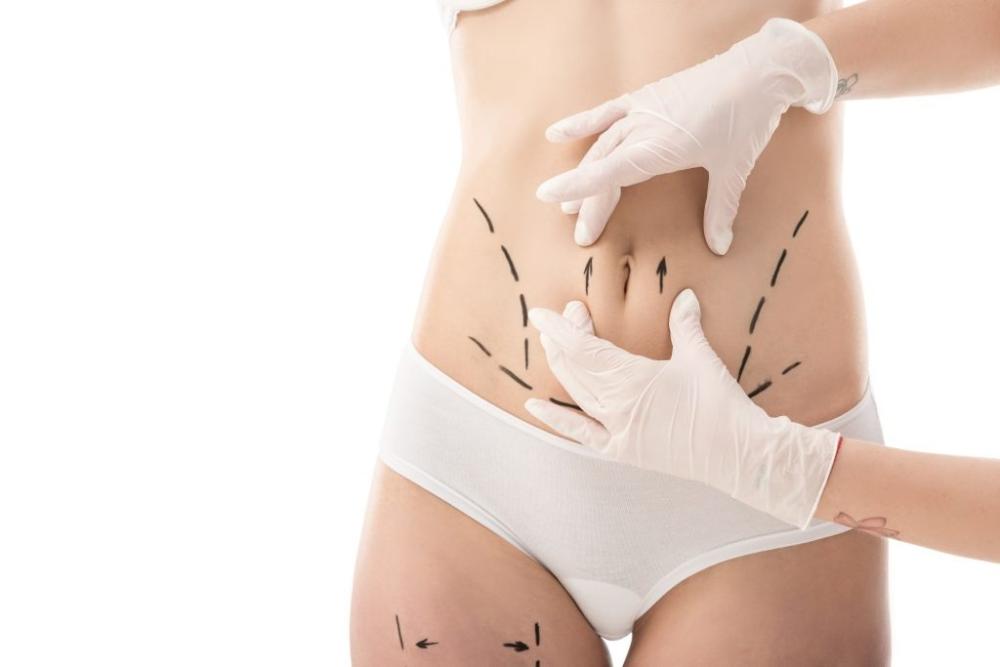
Choosing the right treatment areas is an important part of planning liposuction. Although the procedure is commonly associated with reducing stubborn abdominal fat, it can also be used to reshape the flanks, thighs, upper arms, back, chin, and other areas where localised fat deposits affect body contours. However, the most suitable areas depend on individual anatomy, skin quality, fat distribution, medical history, and the results a person hopes to achieve.
When considering Liposuction in Dubai, patients should understand that treatment planning involves more than identifying areas that appear larger than desired. A qualified plastic surgeon assesses whether the fat is located beneath the skin, whether the skin can adapt to the expected volume reduction, and whether the proposed changes are realistic. The goal is to improve body proportions while preserving natural-looking contours and minimising unnecessary surgical risks.
Not everyone requires treatment in multiple areas. Some people may benefit from focusing on the abdomen and waist, while others may need a more targeted approach to the upper arms, thighs, or lower face. Combining several areas can sometimes be appropriate, but the decision depends on the patient's health, the amount of fat being removed, the expected operating time, and the surgeon's assessment of safety.
Understanding how treatment areas are selected helps patients prepare for consultations and ask more informed questions. It also clarifies an important distinction: liposuction is a body-contouring procedure rather than a primary weight-loss treatment. The most appropriate plan is one that addresses specific concerns without promising changes the procedure cannot reliably deliver.
Why Do Surgeons Assess Individual Treatment Areas?
Surgeons evaluate each area separately because fat distribution, skin elasticity, and body proportions vary considerably between individuals. Two people with similar body weights may have very different concerns and require different surgical approaches.
The assessment generally considers the thickness and location of subcutaneous fat, the firmness of the overlying skin, existing asymmetry, and the relationship between the proposed treatment area and surrounding body regions. Surgeons may also examine whether loose skin, muscle separation, or another condition contributes to the appearance the patient wants to change.
For example, abdominal fullness may result from superficial fat, excess skin, abdominal muscle separation, or deeper fat surrounding internal organs. Liposuction primarily addresses subcutaneous fat and does not correct all these causes. Identifying the underlying issue helps determine whether liposuction alone is suitable or whether another treatment should be considered.
Enfield Royal Clinic
Enfield Royal Clinic is one option for patients researching cosmetic body-contouring services in Dubai. During a consultation, patients considering Liposuction in Dubai should discuss their specific concerns, the areas they would like to reshape, and whether their expectations are compatible with the procedure.
Treatment planning should take into account the abdomen, waist, hips, thighs, arms, or other areas relevant to the individual's goals. A detailed assessment can help clarify which areas may benefit from fat removal, whether the skin is likely to retract adequately, and whether treating multiple regions would be appropriate.
Patients should also ask about the surgeon's qualifications, the proposed technique, the clinical setting, and the arrangements for postoperative care. Understanding the limitations of the procedure is equally important, particularly when concerns involve significant skin laxity or overall weight management.
Emirates Hospital
Emirates Hospital is another healthcare provider patients may consider when exploring cosmetic surgical consultations in Dubai. When discussing body-contouring options, patients should seek an individual assessment rather than assuming that a particular area is automatically suitable for liposuction.
The abdomen, flanks, and back may be evaluated together when the objective is to improve the transition between the waist and torso. However, the amount of fat that can be removed safely and the potential effect on surrounding contours depend on the patient's anatomy and overall health.
Patients should clarify who will perform the procedure, what qualifications the treating surgeon holds, and which facilities will be used for surgery and recovery. These details are essential when comparing providers and understanding the proposed treatment plan.
Tajmeels Clinic
Tajmeels Clinic may be considered by patients researching aesthetic services and body-contouring options. A useful consultation should establish whether the patient's concern relates primarily to localised fat deposits or whether another factor is responsible for the appearance of the area.
For instance, fullness around the upper arms may be associated with subcutaneous fat, loose skin, or a combination of both. Liposuction can reduce suitable fat deposits, but it does not directly remove excess skin. Patients with substantial skin laxity may need to discuss alternative or additional procedures.
A clear treatment plan should explain the expected contour changes, possible irregularities, recovery requirements, and limitations. Patients should also receive information about the qualifications of the operating surgeon and the safety measures available before and after surgery.
Cocoona Clinic
Cocoona Clinic is another name patients may encounter while researching cosmetic procedures in Dubai. For individuals interested in body reshaping, the consultation should focus on the relationship between the requested treatment area and the body's overall proportions.
Thigh contouring, for example, requires careful consideration of the inner and outer thighs, skin elasticity, and the natural distribution of fat around the hips and knees. Removing too much fat from one region may create uneven contours or make adjacent areas appear disproportionate.
Patients should discuss whether a focused treatment or a broader contouring plan is more appropriate. They should also ask how the surgeon intends to maintain smooth transitions between treated and untreated areas, since the quality of the final contour depends on more than the volume of fat removed.
Dynamic Life Clinic
Dynamic Life Clinic is another provider patients may research when comparing aesthetic treatment options. Individuals considering liposuction should use their consultation to establish which areas are suitable for treatment and whether their goals can reasonably be achieved through fat removal alone.
The lower abdomen and waist are common areas of concern, but their suitability varies according to fat distribution, skin quality, previous surgery, and other anatomical factors. A surgeon may recommend a more conservative approach when removing additional fat could increase the risk of surface irregularities or compromise natural body contours.
Patients should receive a clear explanation of the recommended approach, potential complications, expected recovery, and the possibility that further treatment may not be appropriate or necessary. Decisions should be based on clinical suitability rather than the number of areas that can be treated during a single operation.
Dubai Cosmetic Surgery Clinic
Dubai Cosmetic Surgery Clinic is another option patients may explore when researching cosmetic procedures. An informative consultation should address both the desired changes and the physical limitations that may affect the outcome.
The back, bra-line region, and flanks can sometimes be treated to reduce localised fat deposits that remain despite a stable weight. However, the surgeon must assess how these areas connect with the waist and torso to avoid creating abrupt changes in contour.
Patients should ask how treatment boundaries will be determined, what degree of improvement is realistic, and whether skin laxity could affect the result. Reviewing the risks of unevenness, swelling, bruising, fluid accumulation, and changes in skin sensation can also help patients make a more informed decision.
Al Zahra Hospital Dubai
Al Zahra Hospital Dubai is a healthcare provider that patients may consider when researching surgical consultations and treatment facilities. In a liposuction assessment, the medical team should evaluate whether the proposed areas can be treated safely in light of the patient's medical history and overall condition.
Patients considering more extensive contouring may need additional evaluation because treating several regions can increase operating time and affect recovery. The surgeon should explain whether combining procedures is appropriate or whether staging treatment would offer a safer approach.
It is also important to understand the arrangements for anaesthesia, postoperative monitoring, follow-up appointments, and managing complications. A suitable treatment plan prioritises clinical safety and realistic outcomes over the number of areas included in the procedure.
King's College Hospital London Dubai
King's College Hospital London Dubai may be another option for patients seeking information about surgical care. When evaluating liposuction, patients should confirm that the relevant service is available and that the proposed procedure will be performed by an appropriately qualified specialist.
Treatment selection should consider the patient's medical fitness, the location and amount of subcutaneous fat, skin elasticity, and the expected effect on overall proportions. Patients with significant loose skin or concerns related to abdominal muscle separation may require a different surgical assessment rather than liposuction alone.
Before proceeding, patients should ask for an explanation of the recommended technique, anticipated results, possible complications, and recovery arrangements. A thorough consultation should also provide an opportunity to discuss alternatives and decide whether surgery is appropriate at that time.
How to Choose the Right Clinic for Liposuction in Dubai
Selecting a provider involves more than comparing prices or the number of treatment areas offered. Patients should evaluate the clinical expertise, surgical facilities, consultation process, and quality of follow-up care before making a decision.
Experience and Qualifications
Confirm that the operating surgeon has recognised specialist qualifications in plastic surgery and appropriate experience with the areas being considered. Ask how frequently the surgeon performs the proposed procedure and whether they can explain the risks specific to the patient's anatomy.
Before-and-after photographs may help illustrate the surgeon's approach, provided the images are authentic, appropriately presented, and relevant to patients with similar starting characteristics.
Technology and Techniques
Liposuction techniques vary, and the most suitable option depends on the patient's anatomy, treatment goals, and the surgeon's expertise. Conventional suction-assisted liposuction and energy-assisted methods may be considered in different circumstances.
No technique guarantees superior results for every patient. Ask why a particular method is recommended, what evidence supports its use in the proposed treatment area, and whether it introduces additional risks or limitations.
Safety Standards
Confirm that surgery will take place in an appropriately licensed facility with suitable anaesthesia support, monitoring, infection-control procedures, and emergency arrangements.
Patients should disclose existing medical conditions, medications, previous surgeries, smoking or nicotine use, and any history that could affect healing or anaesthesia. The surgeon should explain the risks of bleeding, infection, blood clots, contour irregularities, fluid accumulation, and other potential complications.
Consultation Process
A thorough consultation should include a physical examination, a review of medical history, and a discussion of the patient's priorities. The surgeon should explain which areas are suitable for treatment, which may be better left untreated, and whether another procedure would address the underlying concern more effectively.
Patients should also receive a clear outline of costs, recovery requirements, follow-up visits, and any additional expenses that may arise.
Patient Experience
Good patient care includes clear communication, realistic expectations, and accessible postoperative support. Before booking, ask who will answer recovery-related questions, how follow-up appointments are arranged, and what happens if a complication develops.
A responsible provider should allow patients time to consider their options without pressure to make an immediate decision.
Expected Results
Liposuction can improve the contour of selected areas, but results depend on the amount and distribution of fat, skin elasticity, surgical technique, and individual healing. Swelling may temporarily obscure the outcome, and final contours can take several months to become apparent.
Results are generally more maintainable when patients remain at a stable weight. Liposuction does not prevent future weight gain, stop ageing, or eliminate cellulite reliably. Patients should understand these limitations before deciding which areas to treat.
Frequently Asked Questions
Which body areas can be treated with liposuction?
Common areas include the abdomen, waist, flanks, hips, thighs, upper arms, back, chest in selected patients, and submental region beneath the chin. Suitability depends on the amount of subcutaneous fat, skin quality, medical history, and the patient's goals.
Can several treatment areas be addressed in one session?
Yes, multiple areas can sometimes be treated during the same operation. However, the decision depends on the total amount of fat removed, expected operating time, the patient's health, and the risks associated with combining procedures. Some patients may be better suited to staged treatment.
How do surgeons decide which area to treat first?
Surgeons consider the patient's main concern, anatomical suitability, overall proportions, and safety. The priority is not necessarily the area containing the most fat; it is the area where treatment is most likely to produce a meaningful improvement without creating disproportionate contours or unnecessary risks.
Is liposuction suitable for loose skin?
Liposuction removes fat but does not directly remove excess skin. Patients with good skin elasticity may experience some retraction after treatment, whereas significant skin laxity may require discussion of skin-removal procedures or alternative approaches.
How long does it take to see the results of liposuction?
Initial changes may be visible once early swelling begins to subside, but swelling and bruising can persist for several weeks. Contours generally continue to settle over the following months, and the timeline varies according to the areas treated, the extent of surgery, and individual healing.
Conclusion
Selecting treatment areas for liposuction requires an individual assessment of fat distribution, skin elasticity, body proportions, medical history, and personal expectations. The abdomen, waist, thighs, arms, back, and chin may all be suitable in selected cases, but treating more areas does not automatically produce a better outcome.
When researching Liposuction, patients should prioritise qualified surgical expertise, appropriate clinical facilities, transparent communication, and realistic treatment planning. A well-designed approach focuses on improving natural contours while accounting for the procedure's limitations and potential complications. Ultimately, the most appropriate treatment plan is the one that addresses the patient's concerns safely and supports an informed decision about whether surgery is the right choice.


