








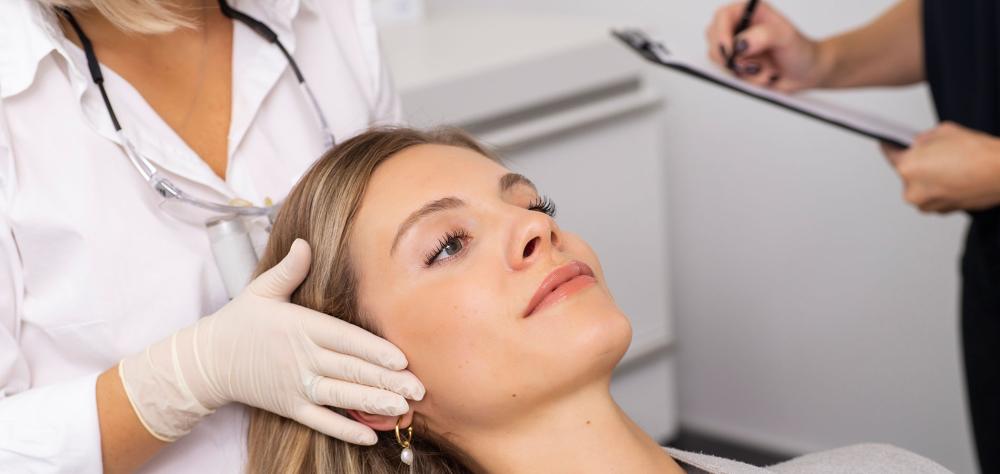
Best Trichologists in Dubai: What Helps Identify Scalp Issues?

Scalp health plays an important role in maintaining healthy hair growth, yet many people overlook early warning signs such as persistent itching, excessive oiliness, flaking, redness, and unusual shedding. These symptoms may appear minor initially, but they can sometimes indicate underlying conditions that require professional assessment. Understanding their possible causes is essential for choosing appropriate treatment and preventing unnecessary damage to the scalp and hair.
A proper scalp evaluation involves more than looking for visible flakes or areas of thinning. Specialists assess the condition of the scalp, hair density, follicular health, and the pattern of hair loss to identify potential contributing factors. These may include dandruff, seborrhoeic dermatitis, psoriasis, fungal infections, nutritional deficiencies, hormonal changes, or hereditary hair loss. Since several conditions can produce similar symptoms, an accurate assessment helps guide the next steps.
People researching the Best Trichologists in Dubai should understand how scalp concerns are evaluated and which diagnostic methods may be appropriate. A detailed consultation, medical history, physical examination, and, when indicated, additional investigations can help distinguish temporary irritation from a condition requiring ongoing care.
Dubai offers access to various aesthetic clinics and healthcare facilities where patients can seek advice about scalp health and hair concerns. However, the most appropriate provider depends on the symptoms, the professional's qualifications, and whether medical diagnosis or specialist referral is needed. Knowing what a comprehensive evaluation involves allows patients to make informed decisions rather than relying on cosmetic products or treatments without understanding the underlying problem.
How Professionals Identify Common Scalp Issues
Identifying a scalp condition starts with observing its symptoms and determining when they began. Dryness, itching, scaling, tenderness, and increased shedding can provide useful clues, but no single symptom confirms a diagnosis.
Professionals may examine the scalp for redness, inflammation, broken hairs, scaling, visible follicular openings, or patches of reduced density. A detailed history can reveal whether symptoms developed suddenly, followed an illness, appeared after using a new product, or progressed gradually over several months.
Trichoscopy, which uses magnification to examine the scalp and hair shafts, may help identify changes that are difficult to see with the naked eye. Depending on the findings, a dermatologist may recommend fungal testing, blood investigations, or a scalp biopsy. These tests are not necessary for every patient; they are selected according to the suspected condition.
Clinics and Healthcare Facilities for Scalp and Hair Concerns
Tajmeels Clinic
Tajmeels Clinic is an option for individuals exploring aesthetic services and consultations related to hair and scalp concerns. Before proceeding with a recommended treatment, patients should clarify whether their symptoms can be assessed by an appropriately qualified medical professional.
A consultation should cover the duration of the problem, previous treatments, hair-care habits, and any accompanying symptoms. Persistent inflammation, painful lesions, sudden hair loss, or spreading patches may require assessment by a dermatologist rather than a cosmetic treatment alone.
King’s College Hospital London Dubai
King’s College Hospital London Dubai provides a hospital-based healthcare setting for people seeking medical evaluation. This type of environment can be useful when scalp symptoms occur alongside other health concerns or when further investigations may be necessary.
Patients should ask about access to dermatology services and whether the clinician has experience assessing hair and scalp disorders. A medical evaluation may help identify conditions associated with inflammation, autoimmune processes, hormonal changes, or other underlying factors.
Enfield Royal Clinic
Enfield Royal Clinic is an option for individuals exploring consultations and treatment pathways for hair-related concerns. Patients experiencing thinning, increased shedding, or changes in scalp appearance should seek an assessment that considers both visible symptoms and potential contributing factors before beginning a treatment plan.
When comparing the Best Trichologists in Dubai, it is useful to ask how the consultation distinguishes scalp disorders from hereditary hair loss and whether additional medical evaluation is recommended when necessary. A suitable assessment should explain the proposed approach, expected limitations, aftercare requirements, and circumstances in which referral to a dermatologist may be appropriate. Treatment decisions should be based on individual findings rather than a standard package offered to every patient.
Emirates Hospital
Emirates Hospital is another healthcare option for individuals seeking medical advice about persistent scalp symptoms or changes in hair density. A hospital-based assessment may be particularly relevant when symptoms require a broader medical history, diagnostic testing, or specialist input.
During a consultation, patients can discuss possible triggers such as recent illness, medication changes, dietary restrictions, stress, and family history. These details may help clinicians determine whether the concern appears to originate from a scalp disorder, a hair-growth cycle disturbance, or another medical issue.
Dynamic Life Clinic
Dynamic Life Clinic is an option for people researching aesthetic and hair-related services in Dubai. Anyone considering treatment for thinning or scalp discomfort should establish what diagnostic assessment is available before committing to a procedure.
A thorough consultation should address whether the scalp shows signs of inflammation, whether hair loss follows a particular pattern, and whether the proposed intervention is appropriate for the suspected cause. Patients should also understand which concerns require medical treatment rather than cosmetic management.
Al Zahra Hospital Dubai
Al Zahra Hospital Dubai offers a hospital setting for individuals seeking medical evaluation of health concerns, including those that may require specialist assessment. Patients experiencing persistent scaling, recurrent irritation, or unexplained hair loss can ask about suitable dermatology services.
Medical evaluation is particularly important when the scalp develops painful areas, thick crusting, bleeding, or patches where hair disappears rapidly. Identifying inflammatory or infectious conditions early may help reduce complications and guide appropriate treatment.
Cocoona Clinic
Cocoona Clinic is an option for individuals exploring aesthetic care and hair-related consultations. When investigating scalp concerns, patients should determine whether the provider can assess the underlying cause or whether a referral to a medical specialist is more suitable.
An effective consultation should include questions about previous products, chemical treatments, styling practices, and the progression of symptoms. These details can help identify possible irritation or hair-shaft damage. Patients should receive clear information about treatment suitability, potential risks, and realistic expectations before proceeding.
Dubai Cosmetic Surgery Clinic
Dubai Cosmetic Surgery Clinic may be considered by individuals researching cosmetic and hair-related services. However, symptoms such as persistent itching, unexplained inflammation, or sudden shedding should be evaluated medically before a cosmetic procedure is selected.
Patients should ask how the clinic assesses scalp condition, determines treatment suitability, and manages concerns that fall outside its service scope. A responsible approach prioritises identifying the cause of a problem and arranging specialist assessment when the symptoms suggest an underlying medical disorder.
How to Choose the Right Clinic for the Best Trichologists in Dubai
Choosing an appropriate provider involves more than comparing treatment prices or promotional offers. The goal is to find a qualified professional who can assess the problem, explain the findings, and recommend a suitable course of action.
Experience and Qualifications
Check the practitioner's qualifications, professional registration where applicable, and experience with the specific condition affecting your scalp. The term trichologist does not necessarily mean the practitioner is a medically qualified doctor. For suspected infections, scarring hair loss, significant inflammation, or unexplained shedding, a dermatologist may be the most appropriate professional.
Technology and Diagnostic Techniques
Ask whether the assessment includes scalp examination and magnification techniques such as trichoscopy when appropriate. Additional tests should be recommended according to clinical findings rather than used routinely without a clear reason.
Advanced equipment can support an evaluation, but technology alone does not guarantee an accurate diagnosis. The professional must interpret the findings in the context of the patient's history and symptoms.
Safety Standards
Confirm that examinations and procedures follow appropriate hygiene and infection-control practices. Patients considering injections, microneedling, or other scalp procedures should understand the potential risks, contraindications, and required aftercare.
Treatments should not begin until the provider has considered whether active inflammation, infection, or another condition makes the proposed procedure unsuitable.
Consultation Process
A comprehensive consultation should cover symptom duration, family history, medication use, diet, stress, recent illness, and previous hair treatments. The practitioner should explain possible causes and discuss whether additional investigations or specialist referral are necessary.
Avoid providers who promise guaranteed regrowth or recommend expensive procedures without explaining the diagnosis and alternatives.
Patient Experience
Clear communication is an important part of effective care. Patients should feel comfortable asking questions about diagnosis, treatment options, costs, recovery, and follow-up appointments.
Transparent information about limitations and possible side effects is more useful than unsupported promises or claims of immediate results.
Expected Results
Outcomes depend on the underlying condition, its severity, and how early appropriate treatment begins. Some forms of dandruff or irritation may improve within weeks, while chronic inflammatory disorders and hereditary hair loss may require longer-term management.
Ask how progress will be monitored and when the treatment plan will be reviewed. Standardised photographs, symptom tracking, and repeat scalp examinations may help establish whether the approach is working.
Frequently Asked Questions
What symptoms indicate that a scalp examination may be necessary?
Persistent itching, excessive flaking, redness, tenderness, unusual shedding, visible thinning, or recurring scalp lesions may warrant professional assessment. Sudden hair loss, painful swelling, pus, or rapidly spreading bald patches should be evaluated promptly.
Can a trichologist diagnose every scalp condition?
No. Trichologists may assess hair and scalp concerns, but their qualifications and permitted scope of practice vary. A medically qualified dermatologist is generally the appropriate professional for diagnosing skin diseases, investigating complex hair loss, and prescribing medical treatment when needed.
Which tests may be used to identify scalp problems?
Assessment may include visual examination, trichoscopy, hair-pull testing, fungal testing, blood investigations, or a scalp biopsy. The appropriate tests depend on the symptoms and suspected diagnosis, and many patients do not require every investigation.
Can poor nutrition contribute to scalp and hair problems?
Yes. Inadequate intake of protein, iron, and certain other nutrients may contribute to increased shedding or impaired hair growth. However, hair loss has many possible causes, so supplements should not replace an appropriate assessment or be taken in high doses without a clear indication.
How long does it take to see improvement after treatment?
The timeline varies according to the condition and treatment. Scalp irritation may improve relatively quickly once the cause is addressed, while hair-density changes often take several months to become noticeable. Follow-up assessments help determine whether treatment should continue or be adjusted.
Conclusion
Identifying scalp issues requires a structured assessment of symptoms, medical history, scalp appearance, and hair-growth patterns. Although itching, scaling, and thinning can seem similar across different conditions, their underlying causes may differ substantially. Accurate diagnosis is therefore an important first step towards choosing appropriate treatment and avoiding unnecessary procedures.
When comparing the Best Trichologists, prioritise relevant qualifications, diagnostic capabilities, transparent communication, and access to medical referral when required. Whether considering Enfield Royal Clinic or another healthcare provider, ask how the proposed evaluation will identify the cause of your symptoms and how treatment progress will be monitored. An individualised, evidence-informed approach offers a more reliable foundation for maintaining scalp health and managing hair concerns over time.


