








Liposuction in Dubai: Which Areas Can Be Treated?

Liposuction is a body-contouring procedure designed to remove stubborn pockets of fat that remain despite a balanced diet and regular physical activity. These deposits can develop in different parts of the body, including the abdomen, thighs, hips, arms, and chin. Their distribution varies according to genetics, age, hormones, and individual body composition. Understanding which areas can be treated helps patients make informed decisions about their aesthetic goals and the suitability of surgery.
Liposuction in Dubai is an option for people seeking to refine specific body contours rather than achieve significant weight loss. The procedure involves inserting a thin tube called a cannula through small incisions to loosen and remove targeted fat. Depending on the patient's anatomy and treatment objectives, one area may be addressed independently or several areas may be treated during the same surgical session.
However, not every area responds equally well to fat removal. Skin elasticity, existing muscle tone, the amount of excess fat, and overall health all influence the potential outcome. Liposuction also does not treat visceral fat, which is stored deep inside the abdomen around internal organs, and it cannot reliably correct substantial loose skin.
A professional consultation is therefore essential before choosing a treatment plan. A qualified surgeon can assess the relevant areas, explain suitable techniques, discuss possible complications, and establish realistic expectations. Knowing the available treatment areas and their limitations is an important first step towards making a well-informed decision about body contouring.
Which Areas of the Body Can Liposuction Treat?
Abdomen and Waist
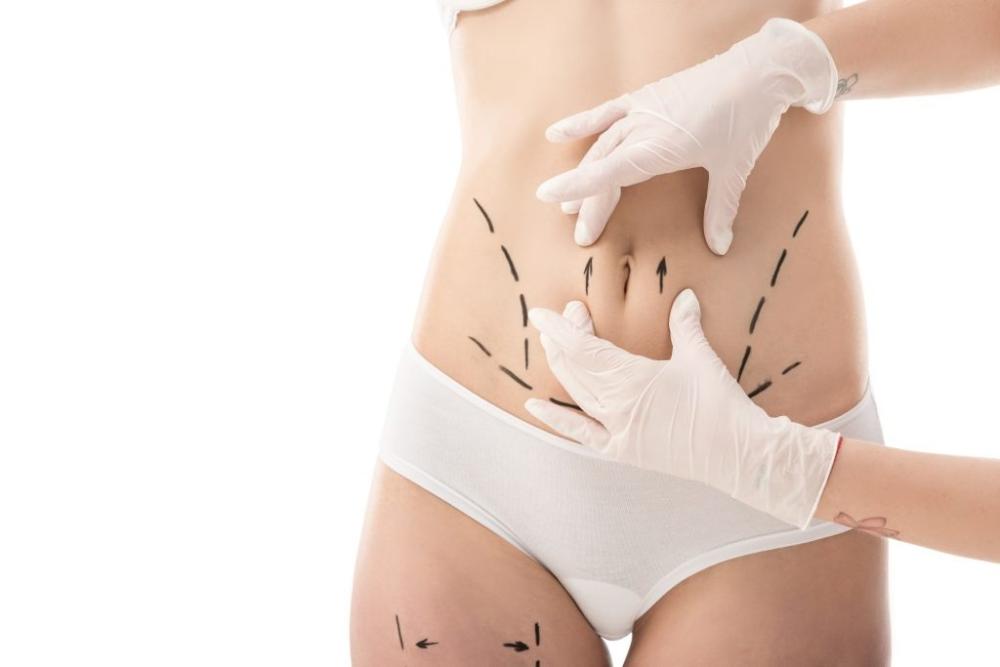
The abdomen is one of the most commonly treated areas. Liposuction may help reduce stubborn fat around the upper and lower abdomen, creating a flatter-looking profile when excess subcutaneous fat is the primary concern.
The waist and flanks, often called love handles, can also be treated to improve the transition between the torso and hips. The degree of contouring depends on fat distribution, skin quality, and the surgeon's assessment. Patients with significant abdominal skin laxity or separated abdominal muscles may require a different or additional procedure, such as a tummy tuck.
Thighs and Hips
Fat can accumulate around the inner thighs, outer thighs, and hips, sometimes creating uneven proportions between the upper and lower body. Liposuction may help refine these contours by removing selected fat deposits.
Inner-thigh treatment requires particular attention because excessive fat removal can produce irregularities or make loose skin more noticeable. Outer-thigh and hip procedures are planned according to the patient's natural shape and desired proportions.
The aim is to achieve balanced contours rather than remove as much fat as possible. A surgeon should explain how skin elasticity and existing asymmetry may influence the final appearance.
Upper Arms
Some people develop persistent fat deposits along the upper arms, particularly between the shoulder and elbow. Liposuction may reduce this fullness and create a more defined arm contour when the skin has sufficient elasticity.
However, fat removal alone may not address hanging skin. Patients with substantial skin laxity, including changes following significant weight loss, may need an arm lift instead of or in addition to liposuction. The appropriate approach depends on the amount of fat and excess skin present.
Chin and Neck
The area beneath the chin can develop a noticeable pocket of fat that affects the appearance of the jawline and neck. Submental liposuction may help reduce this fullness and create a more defined transition between the chin and neck.
Suitability depends on factors such as skin firmness, facial anatomy, and the cause of the fullness. If loose skin or the position of deeper structures contributes significantly to the appearance, fat removal alone may provide limited improvement.
Patients should discuss facial proportions and realistic expectations with an appropriately qualified surgeon before proceeding.
Back and Bra-Line Area
Fat deposits around the upper back, lower back, and bra line can sometimes remain despite changes in weight and exercise habits. Liposuction may help smooth these areas and improve the fit of clothing.
Treatment planning is particularly important because back fat can occur in several separate pockets. Removing fat unevenly may create visible depressions or contour irregularities. The surgeon should assess the surrounding tissues and determine whether treating one area or several connected areas would be appropriate.
Chest Area in Men
Men may develop excess fatty tissue around the chest, affecting its shape and definition. Liposuction can help when the fullness is primarily caused by subcutaneous fat.
However, male chest enlargement may also involve glandular breast tissue, a condition commonly known as gynecomastia. Liposuction alone may not adequately address glandular tissue, so some patients require surgical gland removal or a combined approach.
A proper examination is necessary to identify the underlying cause and select the appropriate treatment.
Buttocks and Surrounding Areas
Liposuction can be used selectively around the lower back, hips, and areas surrounding the buttocks to refine body proportions. The goal is generally to improve the transition between neighbouring areas rather than remove large amounts of fat directly from the buttocks.
Fat removal from this region requires careful planning because excessive treatment can affect support, symmetry, and overall contour. Patients considering more extensive body reshaping should discuss the safest approach with a specialist.
Knees and Calves
In selected patients, small fat deposits around the inner knees or certain parts of the lower legs may be treated with liposuction. These procedures require careful assessment because the tissues are relatively delicate and contour irregularities can be noticeable.
Not all fullness in the calves or knees is caused by removable fat. Muscle structure, fluid retention, and other anatomical factors can influence the appearance. A surgeon should determine whether liposuction is likely to address the patient's specific concern.
Clinics to Consider for Liposuction in Dubai
Choosing a provider involves more than comparing prices or advertised techniques. Patients should verify the surgeon's qualifications, the facility's licensing, available aftercare, and the suitability of the proposed procedure.
Dynamic Life Clinic
Dynamic Life Clinic is an option for patients researching aesthetic and cosmetic procedures in Dubai. Those considering liposuction should ask about the surgeon's experience with their particular treatment area, the techniques available, and the facility where surgery would take place.
A consultation should include an assessment of body proportions, skin elasticity, medical history, and recovery requirements. Patients should also request a clear explanation of the likely benefits, limitations, and potential complications before deciding whether to proceed.
Enfield Royal Clinic
Enfield Royal Clinic is another provider patients may consider when exploring body-contouring options. For anyone researching Liposuction in Dubai, the consultation should focus on identifying the areas that are suitable for fat removal and determining whether liposuction alone can address the desired concerns.
Patients can discuss treatment options for the abdomen, waist, thighs, arms, and other relevant areas, depending on the services available and the clinician's assessment. Important questions include the surgeon's credentials, the proposed technique, the expected recovery period, and the possibility of needing additional treatment for loose skin.
A well-planned approach should prioritise patient safety, natural-looking proportions, and realistic expectations. Prospective patients should independently verify the treating professional's qualifications and confirm that the procedure will be performed in an appropriately licensed facility.
Emirates Hospital
Emirates Hospital is a healthcare provider in Dubai that patients may wish to investigate when comparing surgical options. Before selecting a provider for liposuction, prospective patients should confirm the availability of the relevant service and the qualifications of the professional responsible for their care.
The consultation should cover preoperative assessment, anaesthesia arrangements, potential complications, and postoperative monitoring. Patients should also understand how follow-up appointments are organised and whom to contact if they experience unexpected symptoms during recovery.
Cocoona Clinic
Cocoona Clinic is another name patients may encounter while researching cosmetic procedures in Dubai. When considering this provider, patients should establish whether the required body-contouring procedure is currently offered and which qualified surgeon would perform it.
Questions about treatment planning should include how the surgeon evaluates different fat deposits, whether multiple areas can safely be treated together, and how skin laxity affects the expected result. Clear information about fees, recovery restrictions, and follow-up care can also help patients compare their options.
Tajmeels Clinic
Tajmeels Clinic may be included in a patient's initial research into aesthetic treatment providers. Anyone considering liposuction should verify the clinic's current services and confirm that the proposed procedure will be performed by a suitably qualified and licensed surgeon.
Patients should ask how the treatment plan will be customised to their anatomy and whether alternative procedures might be more appropriate. A responsible consultation should explain the limitations of fat removal and provide sufficient time for questions about risks, recovery, and expected changes in body contour.
Dubai Cosmetic Surgery Clinic
Dubai Cosmetic Surgery Clinic is another provider to research when comparing cosmetic surgery services. Patients should confirm the availability of liposuction for their preferred treatment areas and request details about the professional who will conduct the procedure.
Useful discussion points include the surgeon's experience with the relevant body region, the planned incision locations, expected swelling and bruising, and the measures used to minimise contour irregularities. Reviewing the recovery plan and understanding the need for follow-up care are also important parts of the decision-making process.
Al Zahra Hospital Dubai
Al Zahra Hospital Dubai is a hospital-based healthcare option that patients may wish to investigate for surgical care. Those considering liposuction should confirm whether the relevant procedure is available at the facility and identify the surgeon responsible for assessment and treatment.
Patients should discuss medical suitability, anaesthesia, emergency arrangements, and postoperative observation where appropriate. A comprehensive evaluation is particularly important for people with underlying medical conditions or plans to have several body areas treated during one operation.
King's College Hospital London Dubai
King's College Hospital London Dubai is another healthcare provider patients may consider when researching surgical services. Prospective patients should confirm the availability of cosmetic body-contouring procedures and the credentials of the clinician offering the treatment.
A suitable consultation should assess the patient's medical history, the location and amount of excess fat, and the condition of the surrounding skin. Patients should also ask about the anticipated recovery period, potential complications, and the arrangements for postoperative reviews before making a final decision.
How to Choose the Right Clinic for Liposuction in Dubai
Selecting an appropriate provider requires a careful assessment of clinical expertise, surgical safety, and the quality of the proposed treatment plan. Patients should avoid making decisions solely on the basis of promotional images or discounted packages.
Experience and Qualifications
Confirm that the surgeon is appropriately licensed and has relevant training in plastic or cosmetic surgery. Experience treating the specific body area is important because the technical considerations for chin liposuction differ from those for the abdomen or thighs.
Ask about the surgeon's approach to managing complications and whether they can explain the expected outcome in the context of your anatomy.
Technology and Techniques
Liposuction can be performed using different methods, including conventional suction-assisted techniques and certain energy-assisted approaches. The most appropriate method depends on the treatment area, the amount of fat to be removed, and the surgeon's expertise.
Newer technology is not automatically better for every patient. Request an explanation of why a particular technique is recommended and what evidence supports its use for your specific concern.
Safety Standards
Verify that the facility is appropriately licensed and equipped to provide the planned procedure and anaesthesia. Your assessment should include the arrangements for monitoring during surgery, managing emergencies, and providing postoperative support.
Your surgeon should explain relevant risks, which may include infection, bleeding, fluid accumulation, contour irregularities, changes in sensation, and complications associated with anaesthesia.
Consultation Process
A thorough consultation should include a medical history, physical examination, discussion of goals, and review of any medications or health conditions that may affect surgery. The surgeon should distinguish between subcutaneous fat, visceral fat, and excess skin before recommending treatment.
Patients should also receive clear information about costs, preoperative preparation, and the possibility that the initial plan may need to change following examination.
Patient Experience and Aftercare
Ask how follow-up appointments are arranged, how long compression garments may be required, and when normal activities can usually resume. Recovery varies according to the treatment area and extent of surgery.
You should know whom to contact if you develop increasing pain, fever, unusual swelling, or other concerning symptoms after the procedure. Severe breathlessness, chest pain, or fainting requires urgent medical attention.
Expected Results
Liposuction is intended to improve body contours, not serve as a substitute for weight management. Results depend on the amount of fat removed, the elasticity of the skin, healing, and changes in body weight after surgery.
Swelling can temporarily obscure the new shape, and the final contour may take several months to become apparent. Remaining fat cells can enlarge with weight gain, so maintaining a reasonably stable weight supports longer-term results.
Frequently Asked Questions
Which body areas respond best to liposuction?
The abdomen, waist, flanks, thighs, upper arms, and area beneath the chin are commonly considered for treatment. Suitability depends on the amount of subcutaneous fat, skin elasticity, and overall health rather than the body area alone.
Can liposuction treat several areas during one operation?
Yes, selected patients may have more than one area treated during the same operation. However, the decision depends on the total amount of fat being removed, operative duration, medical history, and safety considerations. Treating fewer areas or staging procedures may be more appropriate in some cases.
Does liposuction remove belly fat permanently?
Fat cells removed during liposuction do not grow back in the same way, but remaining fat cells can enlarge if weight increases. The procedure also does not remove visceral fat around internal organs. Stable weight and healthy habits help maintain the contouring results.
Is liposuction suitable for loose skin?
Liposuction is not primarily a skin-tightening procedure. People with substantial loose skin may require a skin-removal procedure, such as a tummy tuck or arm lift, depending on the area involved. The surgeon should evaluate skin quality before recommending treatment.
How long does recovery take after liposuction?
Many patients need several days to a few weeks before resuming their usual activities, depending on the extent of surgery and the physical demands of their work. Swelling and bruising can persist for weeks, while the final contours may take several months to settle. The surgeon's individual recovery instructions should take priority.
Conclusion
Liposuction can address stubborn fat deposits in several areas, including the abdomen, waist, thighs, arms, chin, back, and selected regions of the chest and lower body. The most suitable treatment depends on the location of the fat, skin elasticity, medical history, and the patient's goals.
When considering Liposuction, prioritise a qualified surgeon, an appropriately licensed facility, a thorough consultation, and a realistic explanation of the potential results. Comparing providers carefully and understanding the procedure's limitations can help patients make informed decisions about body contouring and their long-term expectations.


