








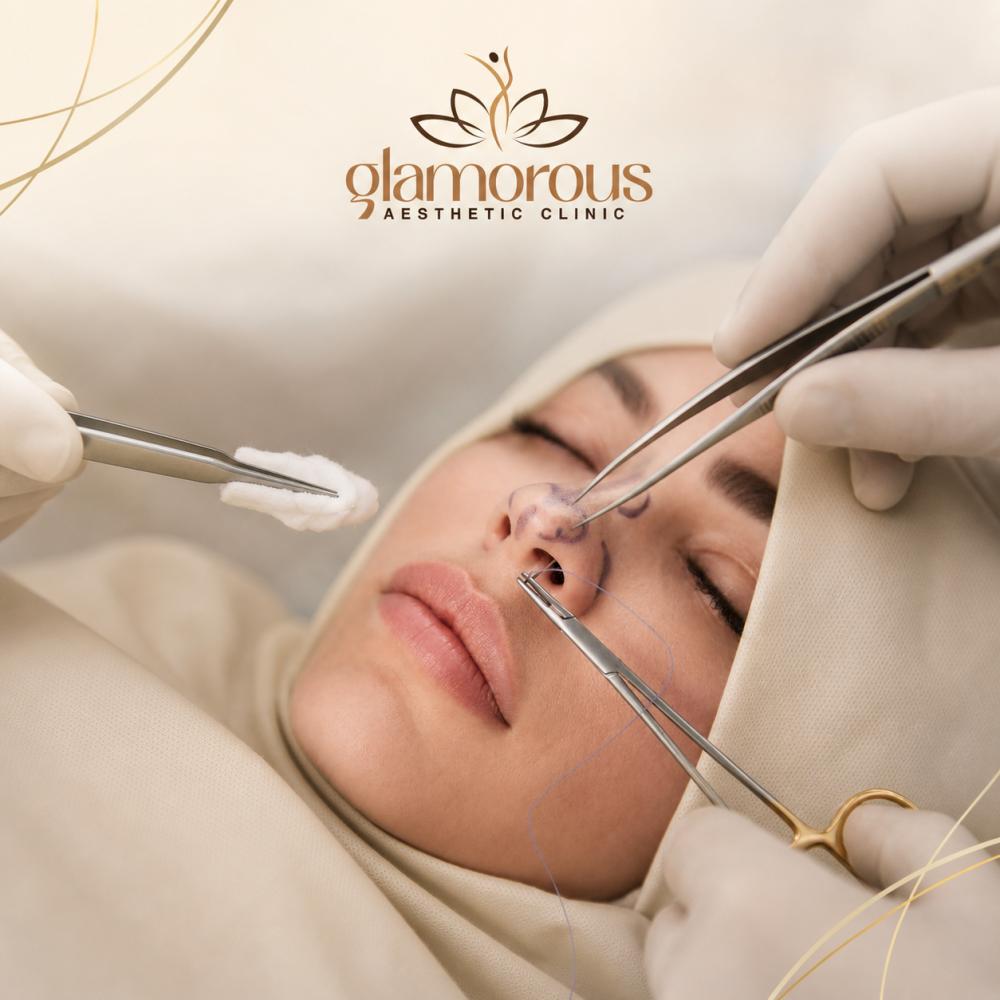
Common Rhinoplasty Misconceptions Every Patient Should Know

Rhinoplasty is a surgical procedure that reshapes the nose to change its appearance, improve airflow, or achieve both. It is one of the most discussed cosmetic and reconstructive procedures, and that popularity has produced a lot of half-truths. For anyone considering Rhinoplasty in Islamabad separating fact from rumor is one of the most useful steps before booking a consultation. Clear expectations make for calmer decisions and better conversations with your surgeon.
Why Nose Surgery Attracts So Many Myths?
The nose sits at the center of the face, so any change to it feels personal and visible. Social media, filtered photos, and stories passed between friends all shape what people believe. Some of these stories are accurate. Many are outdated, exaggerated, or true for one person but not for another.Every nose is different in structure, skin thickness, cartilage strength, and healing pattern. A claim that holds for one patient may not apply to you. Keep that in mind as you read the points below.
Misconception: Rhinoplasty Is Purely Cosmetic
Many people assume nose surgery is only about looks. In practice, rhinoplasty often serves a functional purpose. A deviated septum, narrow nasal passages, or structural problems after an injury can make breathing difficult. Surgeons may address these concerns on their own or alongside aesthetic changes.Some patients seek surgery for both reasons at once. They may want a more balanced profile and easier breathing. A good consultation covers function as well as appearance, because a nose that looks refined but works poorly does not serve the patient well.
Misconception: Everyone Will Be Able to Tell You Had Surgery
The image of an overly sculpted, unnatural nose comes from older techniques and from results that were pushed too far. Modern practice generally favors subtle, proportionate changes that suit the individual face. The aim is usually a nose that fits naturally with your other features, not one that draws attention.Natural results depend on careful planning, realistic goals, and a surgeon who listens. Small refinements often change the overall impression more than dramatic alterations do. Results still vary from person to person, and no surgeon can promise exactly how your nose will look.
Misconception: Recovery Takes Just a Few Days
Returning to work or social life may be possible within a couple of weeks for many patients, but the nose continues healing for much longer. Early swelling and bruising usually settle first. Subtle swelling, especially around the tip, can linger for months and sometimes up to a year or more.This is why the early result is not the final result. Patients who expect to look finished the moment a splint comes off are often worried unnecessarily. Healing is gradual, and your surgeon can explain what is normal at each stage. Following aftercare instructions, protecting the nose from knocks, and attending follow-up visits all support a smoother recovery.
Misconception: Rhinoplasty Is Unbearably Painful
Fear of pain stops many people from even asking questions. Surgery is performed under anesthesia, so you should not feel the procedure itself. Afterward, most patients describe pressure, congestion, and tightness more than sharp pain. Discomfort is usually manageable with medication prescribed by the surgical team.Experiences differ, and it would be wrong to say every patient feels the same. What matters is discussing pain control openly beforehand so you know what support to expect.
Misconception: You Can Bring a Photo and Get That Exact Nose
Reference photos are helpful. They show your surgeon the style, angle, and proportions you like. But a photo of someone else's nose cannot be copied onto your face. Your bone structure, skin thickness, and existing cartilage set limits on what is possible and what will look right.A responsible surgeon will use your photos as a conversation starter and then explain what is realistic for your anatomy. Some surgeons use digital imaging to illustrate possible directions, but these images are visual aids, not guarantees of the final outcome.
What to Know Before Choosing Rhinoplasty in Islamabad?
A common worry is that choosing a local clinic means compromising on quality or safety. The truth is that outcomes depend far more on the individual surgeon, the facility, and the quality of care than on geography alone. What matters is how you evaluate your options.
When researching Rhinoplasty in Islamabad, consider the following points:
Look at the surgeon's training, credentials, and experience with nasal surgery specifically. Ask to see before and after photographs of previous patients, keeping in mind that results vary. Confirm that the procedure takes place in a properly equipped, hygienic facility with appropriate anesthesia support. Pay attention to how the team communicates. A trustworthy clinic explains risks as clearly as benefits, and does not pressure you to decide quickly.Be cautious of anyone who promises perfect results, uses a tone that feels like a sales pitch, or dismisses your questions. Comfort and clarity at the consultation stage are good signs.
Misconception: A Lower Price Means a Better Deal
Cost matters, and it is reasonable to ask about it. But choosing a surgeon mainly on price can be risky. Surgery involves expertise, facility costs, anesthesia, and follow-up care, and cutting corners in any of these areas can affect safety and results.Revision surgery, which corrects an unsatisfactory first result, is often more complex than a first operation. Investing time in finding a qualified surgeon is generally more sensible than searching for the lowest quote. Ask what the quoted fee includes so there are no surprises later.
Misconception: Surgery Will Change How You Feel About Yourself Overall
Some patients hope rhinoplasty will solve deeper concerns about confidence or life circumstances. Surgery can change a physical feature, and many patients feel happier with their appearance afterward. It cannot fix everything, and it is not a substitute for emotional support when that is needed.Healthy motivation sounds like "I would like my nose to look more balanced" or "I want to breathe better." If you feel unsure about your reasons, talking with your surgeon or a trusted professional can help you decide with a clear mind.
Misconception: Once It Is Done, It Is Done Forever
A rhinoplasty result is intended to be long lasting, but the face continues to age after surgery. Skin and tissue change over time, and an injury to the nose can alter the result. Most patients are satisfied, yet a small number need a revision for functional or aesthetic reasons. A reputable surgeon will discuss this possibility honestly rather than ignore it.
How to Prepare for an Informed Consultation?
Bring a list of questions to your first appointment. Ask about the techniques your surgeon recommends and why, what recovery will look like for your particular case, what risks apply to you, and what a realistic outcome is. Share your full medical history, including previous nasal injuries, breathing issues, allergies, and medications. The more openly you communicate, the better your surgeon can plan.It also helps to take your time. A good decision rarely needs to be rushed, and a second opinion is perfectly acceptable.
Final Thoughts:
Most misconceptions about nose surgery come from oversimplification. Rhinoplasty is neither a trivial procedure nor a frightening one. It is a carefully planned surgery with real benefits, real risks, and a recovery that takes patience. If you are considering Rhinoplasty in Islamabad, the best preparation is accurate information, realistic goals, and a surgeon you trust to answer your questions honestly
Read More :
https://www.whizolosophy.com/category/overall-health/article-essay/functional-vs-cosmetic-rhinoplasty-what-is-the-difference


