








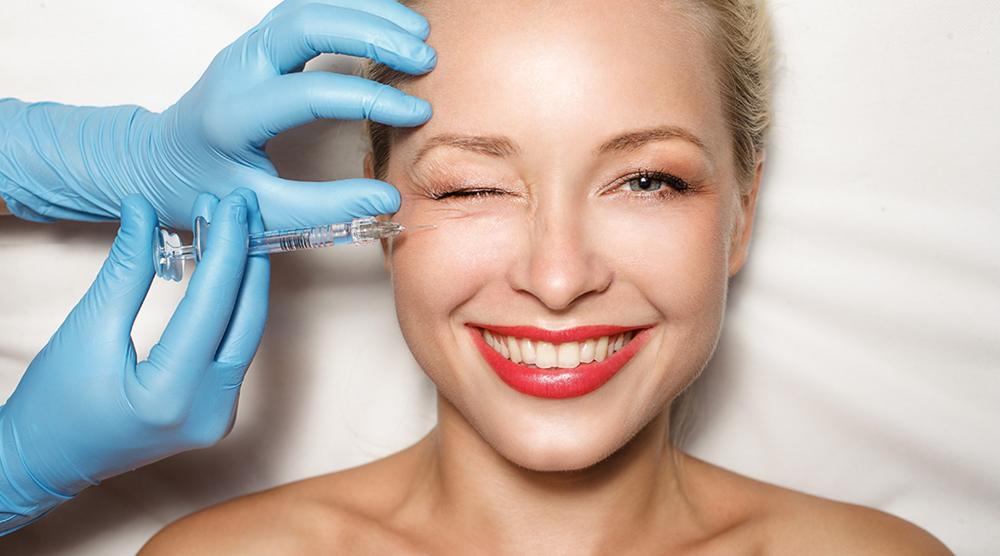
How Does Radiesse Filler Boost Collagen?

As skin ages, collagen production naturally slows down, which can lead to fine lines, reduced firmness, and changes in facial contour. While traditional fillers are often associated with restoring lost volume, some modern treatments are designed to do more than simply fill. Radiesse Filler Dubai is one such option, as it contains calcium hydroxylapatite (CaHA), a biostimulatory material that can encourage the skin to produce new collagen.
But how exactly does it work? Understanding the science behind Radiesse can help you see why it has become an option for people looking to improve skin structure and achieve a refreshed appearance.
What Is Radiesse Filler?
Radiesse is a dermal filler made with calcium hydroxylapatite microspheres suspended in a gel carrier. CaHA is a biocompatible material that has been used in aesthetic medicine for years.
Unlike treatments that focus only on adding volume, CaHA can also act as a biostimulator. Research indicates that it can interact with fibroblasts, the cells responsible for producing important components of the skin's extracellular matrix, including collagen and elastin.
This dual action is one reason Radiesse is used for both structural support and skin-quality improvement.

How Does Radiesse Stimulate Collagen?
The collagen-boosting effect of Radiesse is linked to the interaction between its CaHA microspheres and the surrounding tissue.
After treatment, the microspheres provide a temporary structural framework within the treated area. Their presence can stimulate fibroblast activity through mechanical and cellular interactions. Activated fibroblasts then contribute to the production of new extracellular matrix components, including collagen.
In simple terms, Radiesse does not supply the skin with collagen directly. Instead, it encourages the body's own cells to become more active in producing structural proteins.
The process can be understood in a few stages:
- CaHA microspheres are placed into the targeted tissue.
- The microspheres interact with surrounding fibroblasts.
- Fibroblast activity increases in the treatment area.
- New collagen and other extracellular matrix components are produced.
- Over time, the skin may appear firmer, smoother, and more supported.
Studies and reviews have reported increased collagen production following CaHA treatment, although researchers also note that more high-quality clinical research is needed to fully understand every mechanism involved.
Why Is Collagen Important for Skin?
Collagen is one of the primary structural proteins in the skin. It helps provide strength, firmness, and support. As collagen production decreases with age, the skin can gradually lose some of its resilience.
This decline may contribute to:
- Fine lines and wrinkles
- Reduced skin firmness
- Less defined facial contours
- Changes in skin texture
- A generally tired or aged appearance
Stimulating the body's natural collagen production can therefore be useful as part of a broader skin-rejuvenation approach.
Radiesse and the Skin's Natural Regeneration Process
One of the interesting aspects of Radiesse is that its effects are not limited to collagen. Research into calcium hydroxylapatite suggests that treatment may influence several components of the extracellular matrix.
A 2023 review described increases in collagen, elastin, proteoglycans, and fibroblast populations following CaHA treatment.
Another systematic review found evidence of increased collagen production, cell proliferation, elastin or elastic fiber formation, and angiogenesis, although the researchers highlighted limitations in the available evidence.
This helps explain why the goal of Radiesse treatment can extend beyond simply making a specific wrinkle look less noticeable.
What Skin Improvements Can Collagen Stimulation Support?
When collagen production and extracellular matrix remodeling are encouraged, the skin may gradually develop a more supported and rejuvenated appearance.
Depending on the treatment approach and area, potential improvements can include:
- Firmer-looking skin
- Smoother texture
- Improved appearance of certain wrinkles and folds
- Better definition in selected facial areas
- A more refreshed overall appearance
- Improved skin quality over time
Clinical applications of CaHA include facial contouring, volume restoration, and treatment of certain wrinkles and folds. Diluted or hyperdiluted approaches have also been investigated for skin tightening and quality improvement.
When Do Collagen-Boosting Effects Appear?
Radiesse can provide some immediate structural effects because of the gel component and the physical properties of the product. However, collagen stimulation is a biological process, so it develops progressively rather than appearing instantly.
The skin's response can vary from person to person. Factors such as age, skin condition, treatment area, technique, and individual healing characteristics can influence the visible outcome.
This is why Radiesse should not be viewed as a treatment where every person will experience exactly the same timeline or degree of improvement.
Why Is Radiesse Filler Dubai Popular for Skin Rejuvenation?
People considering Radiesse Filler Dubai may be interested in approaches that provide both structural support and longer-term skin-quality benefits. Dubai's aesthetic market offers access to a wide range of modern cosmetic procedures, but choosing an appropriate treatment should always begin with an individual assessment.
The treatment approach can differ depending on whether the primary goal is:
- Restoring facial volume
- Enhancing selected contours
- Improving the appearance of wrinkles
- Supporting firmer-looking skin
- Encouraging collagen production
The use of CaHA for skin tightening and biostimulation has been discussed in clinical consensus recommendations, but treatment techniques can vary considerably depending on the intended purpose.
Is Radiesse Suitable for Everyone?
Not necessarily. Although calcium hydroxylapatite has an established role in aesthetic medicine, suitability depends on individual circumstances.
A qualified aesthetic professional should assess factors such as skin condition, medical history, treatment goals, previous procedures, and the area being treated before recommending Radiesse.
It is also important to understand that the procedure requires appropriate injection technique. As with other injectable treatments, possible adverse effects can occur. Published safety reviews have reported complications including nodules, swelling, redness, and overcorrection, highlighting the importance of proper patient selection and technique.
Choosing Radiesse Filler in Dubai
If you are researching Radiesse Filler Dubai, focus on more than the treatment name itself. Understanding the product, its mechanism, and the professional's approach is an important part of making an informed decision.
Consider asking about:
- Whether Radiesse is appropriate for your specific goals
- Which areas can be treated
- Whether the aim is volumization, biostimulation, or both
- What results can realistically be expected
- Potential side effects and recovery considerations
- How your treatment plan will be personalized
A consultation is particularly valuable because collagen stimulation is influenced by individual skin characteristics and treatment technique.
Final Thoughts
So, how does Radiesse filler boost collagen? The answer lies in its calcium hydroxylapatite microspheres and their interaction with fibroblasts in the treated tissue. Rather than simply adding volume, Radiesse can encourage the body's natural regenerative processes, supporting the production of collagen and other extracellular matrix components.
For people exploring Radiesse Filler Dubai, understanding this mechanism provides a clearer picture of why the treatment can offer more than an immediate cosmetic effect. Results and suitability vary, so an individualized professional assessment remains an important step before treatment.


