








Does PRP Hair Treatment Work For Receding Hairlines?

A receding hairline can gradually change the appearance of the forehead and make the hairline look thinner over time. For people noticing early signs of hair thinning, understanding available options can help them make informed decisions about their hair goals. PRP Hair Treatment in Dubai is one approach that uses platelet-rich plasma prepared from a person’s own blood to support the scalp and hair follicles. But can it actually help a receding hairline? The answer depends on the cause of hair loss, the condition of the follicles, and how early treatment begins.
What Is PRP Hair Treatment?
PRP, or platelet-rich plasma, is a treatment that uses a concentrated portion of the patient's own blood. A small blood sample is collected and processed to separate the platelet-rich component. This plasma contains growth factors that may support tissue repair and cellular activity.
How PRP Is Used For Hair
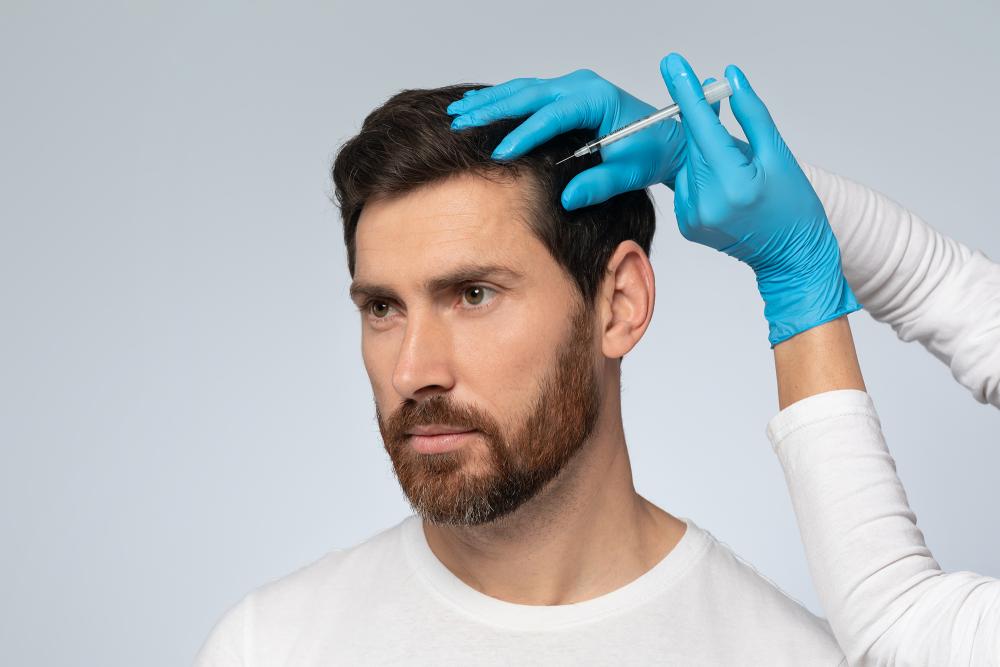
During a PRP hair treatment, the prepared plasma is carefully introduced into areas of the scalp experiencing thinning. The goal is to create an environment that supports existing hair follicles and encourages healthier hair growth.
PRP is generally focused on improving the condition of follicles that are still present rather than creating completely new follicles. This distinction is especially important when considering treatment for a receding hairline.
Can PRP Help A Receding Hairline?
PRP may help some people with early or moderate hair thinning around the hairline, particularly when viable follicles are still present. Research on PRP for androgenetic alopecia has reported improvements in measures such as hair density and thickness in some patients, although responses vary.
Existing Follicles Matter
The condition of the hair follicles is one of the most important factors. When follicles are weakened but still active, supporting the scalp environment may help improve the appearance of existing hair.
However, a completely bald area where follicles have been permanently lost may respond differently. PRP should not be considered a way to recreate follicles that are no longer functioning.
What Results Can You Expect?
PRP does not usually produce instant changes. Hair grows gradually, so improvements require patience. Some people may notice reduced shedding or changes in hair quality before significant visible density develops.
Results Develop Gradually
Hair follicles have natural growth cycles, and these cycles influence how quickly changes become visible. Depending on the individual and treatment plan, multiple sessions may be recommended rather than relying on one treatment.
Over time, successful treatment may contribute to thicker-looking hair and improved coverage in areas where thinning follicles remain active.
What Factors Affect PRP Results?
Several factors can influence how well PRP works for a receding hairline. The underlying cause of hair loss is particularly important.
Cause And Stage Of Hair Loss
PRP may be more useful when hair loss is identified relatively early. Genetic hair loss, hormonal changes, nutritional deficiencies, certain medical conditions, and scalp disorders can produce different patterns of thinning.
A professional assessment can help determine whether PRP is appropriate and whether another underlying issue needs attention.
Individual Response
Not everyone responds to PRP in the same way. Age, overall health, hair-loss pattern, follicle condition, and consistency with recommended sessions can all influence the outcome.
For this reason, results should be viewed as individual rather than guaranteed.
Can PRP Stop A Receding Hairline Completely?
PRP should not be viewed as a guaranteed way to completely stop or reverse a receding hairline. Its potential role is generally to support existing follicles and improve hair characteristics where follicles remain responsive.
Combining Hair Care Approaches
Depending on the cause and severity of hair loss, a professional may discuss PRP alongside other evidence-based approaches. A personalized plan can focus on slowing progression, supporting existing hair, and addressing scalp health.
Maintaining realistic expectations is important. The goal may be improved density and stronger-looking hair rather than returning the hairline exactly to its earlier appearance.
How Can You Support Your Results?
Good scalp and hair-care habits can complement a professional treatment plan. Avoiding excessive heat, harsh chemical treatments, and tight hairstyles may reduce unnecessary stress on the hair.
Focus On Overall Hair Health
A balanced diet, adequate protein intake, gentle hair care, and appropriate scalp hygiene can support general hair health. If significant or sudden hair loss occurs, identifying the underlying cause is more important than simply treating the visible thinning.
Regular follow-up can also help determine whether the hairline is responding and whether adjustments are needed.
Final Thoughts
PRP may be a useful option for some people experiencing a receding hairline, especially when thinning follicles are still active. It works by using platelet-rich plasma from the individual's own blood to support the scalp environment and potentially improve the condition of existing hair follicles. However, results vary, and PRP cannot guarantee complete restoration of a significantly receded hairline. Early assessment, realistic expectations, and a personalized treatment plan are key to achieving the most appropriate outcome.


