








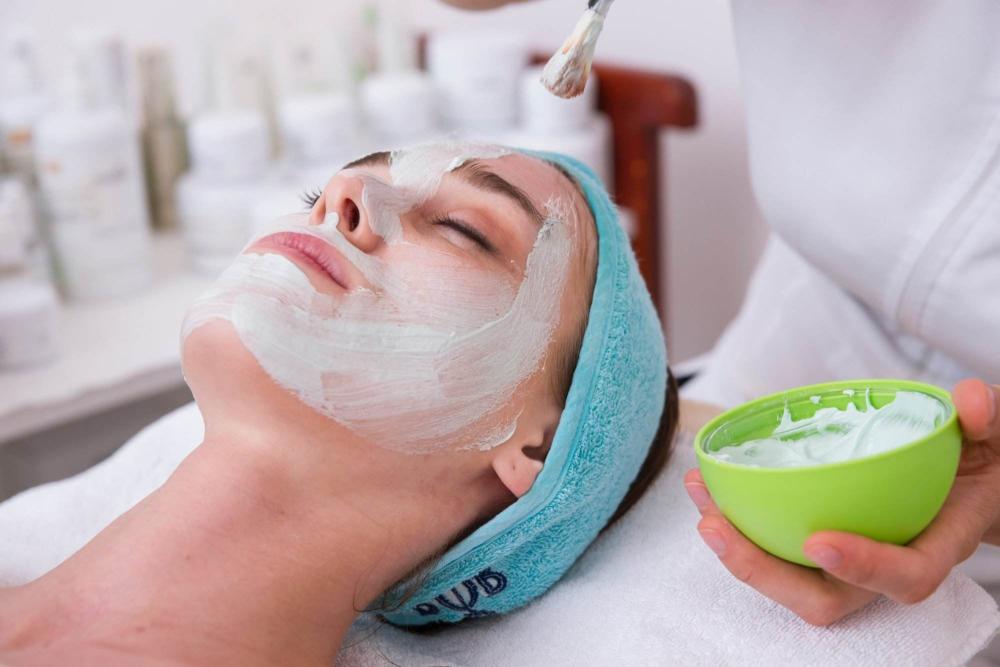
Ingredients Behind Best Deep Facial Cleansing

Healthy-looking skin often begins with a clean, well-balanced surface. Throughout the day, the face is exposed to sweat, dust, pollution, makeup, sunscreen, and excess oil. In a busy city like Dubai, these daily factors can make the skin feel congested, dull, or rough. This is why choosing the Best deep facial cleansing in Dubai can be an important part of a consistent skincare routine.
Deep facial cleansing is not simply about washing the face more thoroughly. The products and ingredients used during a professional cleansing treatment can make a significant difference. Different ingredients are selected according to the skin’s needs, helping remove buildup while supporting hydration, smoothness, and a refreshed appearance.
Why Ingredients Matter in Deep Facial Cleansing
Every skin type has different requirements. Oily skin may need ingredients that help manage excess sebum, while dry or sensitive skin may benefit more from soothing and moisturizing components.
A well-planned deep cleansing treatment typically combines cleansing, exfoliation, hydration, and skin-soothing ingredients. The goal is to refresh the skin without leaving it feeling excessively dry or uncomfortable.
Understanding common ingredients can also help people make more informed choices when considering facial treatments.
Salicylic Acid for Congested Pores
Salicylic acid is a popular ingredient in facial cleansing because it is a beta hydroxy acid (BHA). Unlike ingredients that mainly work on the surface, salicylic acid can penetrate into oil within pores.
This makes it particularly useful for skin that tends to experience:
- Clogged pores
- Excess oil
- Blackheads
- Uneven-looking texture
- Occasional breakouts
In a deep cleansing treatment, salicylic acid may help loosen accumulated oil and dead skin cells. Its use should still be tailored to the individual's skin condition, especially for people with sensitive or easily irritated skin.
Glycolic Acid for Surface Exfoliation
Glycolic acid belongs to the alpha hydroxy acid (AHA) family. It helps exfoliate the outermost layer of dead skin cells, which can contribute to a smoother and brighter-looking complexion.
Regularly removing surface buildup can help improve the appearance of dull skin and uneven texture. Glycolic acid is often used in carefully controlled concentrations because stronger exfoliation is not necessarily better for every skin type.
When incorporated appropriately, it can complement deep cleansing by helping reveal fresher-looking skin underneath accumulated dead cells.
Hyaluronic Acid for Hydration
Deep cleansing does not have to mean dry skin. Ingredients such as hyaluronic acid can help provide hydration during or after cleansing.
Hyaluronic acid is known for its ability to attract and retain water. When used in skincare, it can help the skin feel softer, smoother, and more comfortable.
This ingredient can be particularly appealing for people who want the benefits of thorough cleansing while maintaining a hydrated appearance. In Dubai's warm and dry environment, maintaining adequate skin hydration can be especially important as part of everyday skincare.
Aloe Vera for a Soothing Effect
Aloe vera is widely used in skincare products because of its soothing and moisturizing properties. It can be helpful when the skin needs a gentle, refreshing finish after cleansing or exfoliation.
Facial treatments may incorporate aloe vera-based products to help support a comfortable skin feel. This can be useful for people whose skin becomes easily dry or uncomfortable following cleansing.
However, natural ingredients are not automatically suitable for everyone. Individual sensitivity should always be considered before introducing a new skincare ingredient.
Niacinamide for Balanced-Looking Skin
Niacinamide, also known as vitamin B3, is another versatile skincare ingredient. It is commonly included in products designed to support the skin barrier and improve the overall appearance of the complexion.
It may be useful for people concerned with:
- Excess shine
- Uneven-looking skin tone
- Visible pores
- Rough texture
- Skin barrier support
Because niacinamide is generally considered a versatile ingredient, it can fit into routines designed for several different skin types. Its concentration and combination with other ingredients still matter when creating a suitable facial treatment.
Antioxidants for Daily Environmental Stress
The skin encounters environmental stressors every day, including pollution and other external factors. Antioxidant ingredients are often included in skincare because they help defend against oxidative stress.
Common antioxidant ingredients include vitamin C, vitamin E, and green tea extracts. Depending on the formulation, these ingredients can support a healthier-looking and more radiant complexion.
For people living in urban environments, antioxidant-focused skincare can be a useful addition to a broader cleansing and skin-maintenance routine.
Natural Oils and Moisturizing Ingredients
Deep cleansing should be balanced with replenishing ingredients. Certain facial treatments may use lightweight oils, botanical extracts, ceramides, or other moisturizing components after the cleansing stage.
These ingredients can help prevent the skin from feeling overly stripped after removing oil and impurities. Ceramides, for example, are lipids naturally found in the skin barrier and are commonly used in skincare products designed to support moisture retention.
The right moisturizing ingredients depend heavily on the individual's skin type. A formulation suitable for dry skin may not be ideal for someone with very oily or acne-prone skin.
How Ingredients Work Together
The effectiveness of a deep facial cleansing treatment does not depend on one ingredient alone. The overall combination and sequence are equally important.
A typical approach may involve:
- Gentle cleansing to remove surface impurities, makeup, and sunscreen.
- Exfoliation to loosen accumulated dead skin cells.
- Deep cleansing to address excess oil and pore congestion.
- Hydration to replenish moisture.
- Soothing care to leave the skin feeling comfortable.
- Protective skincare to support the skin after treatment.
This balanced approach is one reason professional facial cleansing can be different from simply washing the face at home.
Choosing Ingredients for Your Skin Type
There is no single ingredient that works perfectly for everyone. Skin type, sensitivity, current concerns, and existing skincare products should all be considered.
For example, oily or congested skin may benefit from carefully selected exfoliating ingredients, while dry skin may need greater emphasis on hydration and barrier-supporting ingredients. Sensitive skin generally requires a gentler approach with fewer potentially irritating actives.
If you are considering the Best deep facial cleansing in Dubai, asking about the ingredients used during the treatment can help you understand whether the approach matches your skin's needs.
What to Consider Before a Deep Cleansing Treatment
Before choosing a treatment, consider your current skincare routine and any ingredients you are already using. Combining several exfoliating products without professional guidance may increase the possibility of irritation.
It is also useful to communicate any known sensitivities and explain your primary skin concerns. A personalized approach can help ensure that cleansing is thorough without being unnecessarily harsh.
After treatment, maintaining a simple skincare routine, staying hydrated, and protecting the skin from sun exposure can help support the refreshed appearance.
A Smarter Approach to Deep Facial Cleansing
The ingredients behind effective deep facial cleansing are designed to do more than simply remove dirt. Exfoliating acids can help address buildup, humectants can support hydration, soothing ingredients can improve comfort, and barrier-supporting components can help maintain healthy-looking skin.
For Dubai residents, understanding these ingredients makes it easier to choose a facial cleansing approach based on individual skin needs rather than simply following a trend. When the right ingredients are combined with an appropriate treatment method and consistent home care, deep cleansing can become a valuable part of maintaining clearer, smoother, and fresher-looking skin.


