








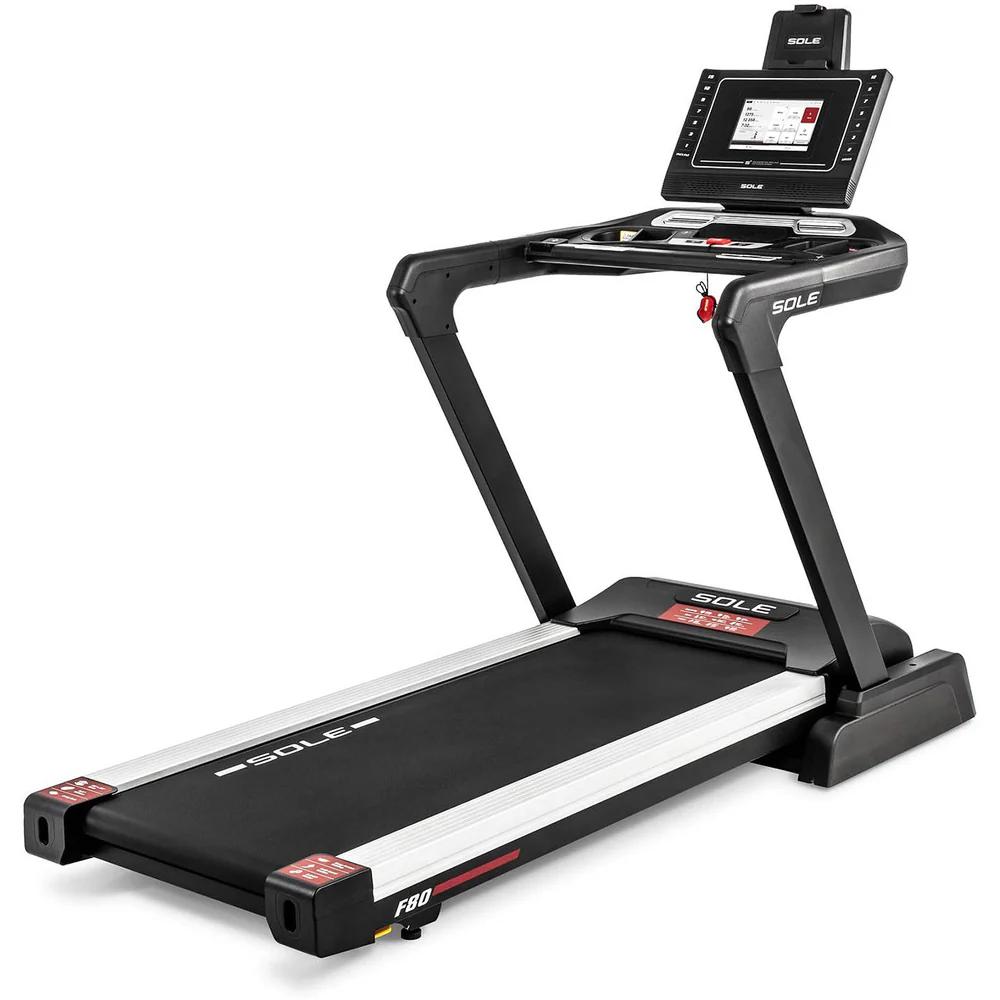
Treadmills in the UAE: How to Choose One That Fits Your Home and Routine

Buying a treadmill for home use is not just about choosing a machine with a powerful motor or a high maximum speed.
The treadmill also needs to fit your room, your training habits, your available floor space, and the way you expect to use it throughout the year.
This is particularly important in the UAE. Hot weather can make outdoor exercise uncomfortable for parts of the year, while apartments and smaller homes can create their own challenges around space, noise, storage, and equipment placement.
Whether you live in Dubai, Abu Dhabi, Sharjah, Ajman, Ras Al Khaimah, Fujairah, or another part of the UAE, choosing treadmills should begin with your actual routine rather than the machine's longest feature list.
Start With How You Will Actually Use It
Before comparing treadmill specifications, think about what you want to do on the machine.
You might mainly use it for:
-
Walking
-
Brisk walking
-
Light jogging
-
Running
-
Interval training
-
Warm-ups
-
General fitness
-
Daily movement
Your answer changes which specifications matter most.
Someone looking for a few short walking sessions each day may have very different requirements from a runner who plans to use the treadmill for longer and faster workouts.
Walking and Running Need Different Features
A treadmill used primarily for walking does not necessarily need the same setup as one designed around regular running.
For walking, you may prioritise:
-
Compact dimensions
-
Low noise
-
Easy controls
-
Convenient storage
-
Comfortable belt
-
Moderate speed range
For running, other specifications can become more important:
-
Running surface
-
Maximum speed
-
Motor performance
-
Frame stability
-
Cushioning
-
User weight capacity
Always compare the treadmill with your intended activity rather than choosing based solely on maximum specifications.
Measure the Room First
One of the easiest mistakes is buying a treadmill before measuring the space.
Check:
-
Available floor length
-
Available floor width
-
Ceiling height
-
Door clearance
-
Distance from walls
-
Nearby furniture
-
Power outlet location
Remember that the treadmill needs usable space around it.
You should not place the machine so close to a wall or furniture that it becomes difficult to access or use safely.
Don't Forget Ceiling Height
A treadmill raises your position above the floor.
If the machine has incline functionality, your body position can become even higher at certain settings.
This can matter in apartments, bedrooms, basements, or rooms with lower ceilings.
Measure the room before installation and consider your own height as well as the treadmill's deck height.
Folding or Non-Folding?
A folding treadmill can help when floor space is limited.
When folded, it may be easier to store against a wall when you are not exercising.
However, folding designs still require adequate storage space.
Check:
-
Folded height
-
Folded depth
-
Folding mechanism
-
Transport wheels
-
Storage location
A treadmill that technically folds is not automatically convenient if you have nowhere suitable to store it.
Compact Treadmills for Apartments
Apartment living can make equipment size particularly important.
A compact treadmill can help preserve floor space, especially if you use the same room for multiple purposes.
However, compact construction can come with trade-offs.
A smaller running surface may feel restrictive for taller users or people who take longer strides.
Before choosing a compact model, consider both your available room and your body size.
Running Surface Matters
The belt needs to provide enough room for your normal stride.
If you are primarily walking, you may be comfortable with a more compact surface.
If you regularly run, additional length and width can make the workout feel more natural.
Do not judge the running surface from photographs.
Check the manufacturer's listed dimensions.
If possible, compare those measurements with a treadmill you have previously used.
Motor Specifications
Motor specifications are often one of the first things shoppers compare.
However, the number alone does not tell you everything about how a treadmill will perform.
Consider:
-
Intended exercise
-
User weight
-
Typical workout duration
-
Running frequency
-
Speed requirements
-
Incline use
A treadmill used occasionally for walking has different demands from one used for frequent running sessions.
Look at the manufacturer's recommendations rather than relying only on one specification.
Maximum Speed
Maximum speed matters most when you intend to run or perform faster intervals.
If you only plan to walk, you may not need a machine designed around very high speeds.
Choosing a treadmill with a speed range that matches your actual training can help you avoid paying for features you rarely use.
At the same time, consider future progression if you expect your training to become more demanding.
Incline Can Add Variety
Incline functionality can change how a treadmill workout feels.
It can allow you to vary the workout without increasing speed significantly.
Depending on the machine, incline may be:
-
Manual
-
Motorised
-
Automatically controlled by workout programmes
If you enjoy hill-style workouts or want additional training variety, incline may be useful.
However, a treadmill without incline can still be perfectly suitable for walking and running.
Cushioning and Comfort
The treadmill deck and belt can influence how the machine feels underfoot.
Different models use different approaches to cushioning.
Comfort is subjective, so if you have the opportunity to test a treadmill, pay attention to how the deck feels while walking and running.
Avoid assuming that more cushioning is automatically better.
The important consideration is whether the machine provides a comfortable and stable surface for your intended training.
Treadmill Noise in Apartments
Noise is an important consideration when exercising at home.
The machine itself produces mechanical noise, while foot impact can create additional sound.
This can be particularly relevant in apartments.
Noise may be influenced by:
-
Motor operation
-
Belt movement
-
Foot strike
-
Flooring
-
User weight
-
Workout speed
Using suitable gym flooring and maintaining the machine properly can help create a more controlled setup.
Avoid assuming that a treadmill advertised as quiet will be completely silent.
Flooring Under the Treadmill
A treadmill places considerable weight on the floor.
A suitable exercise mat or flooring solution can help protect the underlying surface and create a defined workout area.
It can also make cleaning around the machine easier.
Before using a mat, check that it is appropriate for the treadmill and does not interfere with stability or ventilation.
Where Should You Put the Treadmill?
Placement affects how convenient the machine will be.
Possible locations include:
-
Dedicated home gym
-
Bedroom
-
Spare room
-
Living area
-
Garage
-
Office
Choose a location where you can comfortably access the machine and where it will not obstruct normal household movement.
Avoid placing it directly in a narrow walkway.
UAE Climate and Treadmill Placement
The UAE climate can influence where you store fitness equipment.
An air-conditioned indoor room generally provides a more controlled environment than a hot garage or exposed area.
If you place a treadmill in a garage, consider:
-
Heat
-
Dust
-
Humidity
-
Direct sunlight
-
Ventilation
Excessive environmental exposure can affect equipment over time.
Follow the manufacturer's storage and operating recommendations.
Treadmills and Daily Walking
You do not need to be a runner to benefit from a treadmill.
A treadmill can make daily walking more convenient when outdoor conditions are uncomfortable or when your schedule does not allow time for an outdoor walk.
Short walking sessions can also be easier to fit into a busy day.
For example, you might use the treadmill:
-
Before work
-
During a break
-
After work
-
While listening to a podcast
-
During a short evening session
The most useful machine is often the one you will actually use consistently.
Treadmill for Running
If running is your main goal, pay closer attention to the running surface and overall stability.
Consider:
-
Belt dimensions
-
Maximum speed
-
Motor specifications
-
Frame construction
-
User capacity
-
Cushioning
-
Incline
-
Workout programming
A runner may also benefit from a more substantial frame than someone who mainly walks.
User Weight Capacity
Always check the manufacturer's stated maximum user weight.
Do not treat the maximum figure as an optional guideline.
Consider your own weight and the type of exercise you intend to perform.
If several people will use the treadmill, make sure its specifications are suitable for everyone.
Treadmill Controls
The control system should be easy to understand.
Look at:
-
Speed controls
-
Incline controls
-
Start and stop buttons
-
Display readability
-
Workout programmes
-
Emergency safety features
During exercise, you should be able to adjust basic settings without struggling to find the correct control.
Safety Features
A home treadmill should be used in an environment where you have enough room to exercise safely.
Depending on the model, safety features may include an emergency stop mechanism or safety key.
Read the manufacturer's instructions before using the machine.
Keep children and pets away from the treadmill while it is operating.
Do not use the treadmill in a way that exceeds its stated specifications.
Technology and Connectivity
Modern treadmills can include a range of technology features.
Depending on the model, you may find:
-
Bluetooth connectivity
-
Workout tracking
-
Mobile app compatibility
-
Heart-rate monitoring
-
Speakers
-
Touchscreens
-
Training programmes
These features can be useful, but they should not replace the core considerations of size, stability, belt dimensions, motor performance, and suitability for your training.
Choose technology that you will actually use.
Treadmill Maintenance
Regular maintenance can help keep the machine operating properly.
Depending on the model, maintenance may include:
-
Cleaning the belt
-
Inspecting the running surface
-
Checking alignment
-
Lubricating when required
-
Cleaning around the motor area
-
Inspecting cables and connections
Always follow the manufacturer's maintenance instructions.
Do not apply products or lubricants unless they are recommended for your specific treadmill.
Dust Can Be a Problem
Dust is particularly relevant if a treadmill is placed in a garage or another exposed area.
Dust can accumulate around moving and mechanical components.
Regular cleaning can help reduce buildup.
If the treadmill is not used for long periods, follow the manufacturer's recommendations for covering and storage.
Think About Electricity
Before installing a treadmill, check the manufacturer's power requirements.
Make sure the intended location has an appropriate power supply.
Avoid unsuitable extension arrangements or overloaded sockets.
Follow the manufacturer's electrical and installation instructions.
If you are unsure about the electrical requirements, consult a qualified professional.
Delivery and Installation
A treadmill can be difficult to move because of its size and weight.
Before ordering, consider how it will reach the intended room.
Check:
-
Door widths
-
Stairways
-
Elevators
-
Corridors
-
Building access
-
Assembly requirements
A treadmill may fit perfectly in your room but still be difficult to get through the entrance.
For apartments, check building delivery rules before arranging installation.
Common Treadmill Buying Mistakes
Buying Before Measuring
Always measure the room and delivery route first.
Choosing Only by Motor Power
Motor specifications are important, but they are not the only factor.
Ignoring Belt Dimensions
A small running surface may become uncomfortable for taller users or runners.
Forgetting Ceiling Height
Incline and deck height can reduce overhead clearance.
Ignoring Noise
Consider both machine noise and foot impact.
Choosing Features You Will Not Use
Extra technology does not automatically make a treadmill more useful.
Forgetting Maintenance
Regular care is part of owning a treadmill.
How to Build a Comfortable Treadmill Area
A practical treadmill setup does not need to be complicated.
You may need:
-
Treadmill
-
Suitable flooring or mat
-
Nearby ventilation
-
Power access
-
Enough clearance around the machine
-
Optional storage for accessories
Keep the surrounding area uncluttered.
If you regularly use headphones, a phone, or a water bottle during workouts, organise them so they do not interfere with movement.
Buying Treadmills Online in the UAE
Online shopping makes it easier to compare multiple models, but specifications should be checked carefully.
Look at:
-
Overall dimensions
-
Folded dimensions
-
Running surface
-
Motor specifications
-
Maximum speed
-
Incline range
-
Maximum user weight
-
Cushioning
-
Display
-
Connectivity
-
Warranty
-
Assembly
-
Delivery information
Do not assume that two machines with similar prices will provide the same training experience.
Compare the specifications against your own routine.
For UAE fitness equipment, you can also explore Athletix when comparing available options.
Frequently Asked Questions
What should I consider before buying a treadmill?
Start with your training goals, available space, running surface, motor specifications, speed, incline, user capacity, noise, maintenance, and installation requirements.
Is a treadmill suitable for apartment use?
Yes, provided the machine fits the available space and you consider noise, flooring, building access, and storage.
Do I need a folding treadmill?
Not necessarily. Folding models can save space, but the best choice depends on your room layout and how often you need to store the machine.
Is a treadmill good for walking?
Yes. Treadmills can provide a convenient indoor option for regular walking, especially when outdoor conditions or schedules make walking outside difficult.
What treadmill is suitable for running?
A running-focused treadmill should have an appropriately sized running surface, suitable speed range, stable construction, and specifications that match your running frequency and user requirements.
Does incline matter?
Incline can add workout variety and allow you to simulate uphill movement, but it is not essential for every user.
How often should a treadmill be maintained?
Maintenance requirements vary by model. Follow the manufacturer's recommended inspection, cleaning, lubrication, and service schedule.
Can I keep a treadmill in a garage?
It can be possible, but UAE heat, dust, humidity, and direct sunlight should be considered. Check the manufacturer's environmental and storage recommendations.
How much space do I need around a treadmill?
The exact requirement varies by model. Check the manufacturer's recommended clearance and ensure there is enough room to access and use the machine safely.
Final Thoughts
Choosing a treadmill for your UAE home is less about finding the machine with the longest feature list and more about finding one that fits your real routine.
Think about whether you will walk, jog, run, or combine different workouts. Then consider the space available, belt dimensions, motor performance, speed, incline, noise, flooring, storage, and maintenance.
For UAE homes, also plan for heat, dust, apartment living, delivery access, and where the machine will remain when it is not being used.
A treadmill that fits your home comfortably and matches the way you actually exercise is far more useful than a machine that looks impressive on paper but becomes difficult to use.
Choose the specifications that support your routine, create a clear training area around the machine, and make regular movement easier to fit into everyday life.


