








How to Choose the Best Wart Removal Method Safely

Warts are common skin growths that can appear on the hands, feet, face, or other areas of the body. Although they are usually harmless, their appearance, location, or tendency to spread can make them frustrating to deal with. Choosing the right treatment is important because not every wart responds to the same method. If you are considering Wart Removal in Dubai, understanding the available options can help you make a safer and more informed decision.
The best approach depends on factors such as the type of wart, its size, location, number of growths, skin sensitivity, and whether previous treatments have worked. Professional assessment can also help distinguish a wart from other types of skin growths that may look similar.
Understanding Different Types of Warts
Before selecting a removal method, it helps to understand what you are treating. Warts are generally associated with certain strains of human papillomavirus (HPV), which can cause excess growth of the outer skin layer.
Common types include:
- Common warts: Often appear on fingers, hands, and around the nails.
- Plantar warts: Develop on the soles of the feet and may feel uncomfortable when walking.
- Flat warts: Smaller and smoother, often appearing in groups on the face, arms, or legs.
- Filiform warts: Thin, thread-like growths that commonly occur around the face and neck.
- Periungual warts: Develop around or underneath the fingernails and toenails.
The location and appearance of a wart can influence which treatment is appropriate. This is why choosing a removal method based solely on what worked for someone else may not always be suitable.

Why Professional Assessment Matters
Not every skin bump is a wart. Some moles, skin tags, cysts, and other skin conditions can resemble warts. Attempting to remove an unidentified growth at home may cause unnecessary irritation or delay appropriate care.
A qualified skin professional can examine the growth and determine whether it is consistent with a wart. They can then consider factors such as:
- The wart's type and location
- Its size and thickness
- How long it has been present
- Whether it is painful, bleeding, or changing
- Previous treatments
- The surrounding skin's condition
For people exploring Wart Removal in Dubai, this assessment can be an important first step toward selecting an appropriate and safe treatment plan.
Common Wart Removal Methods
Several approaches may be used to remove warts. The most suitable option depends on the individual case.
Cryotherapy
Cryotherapy uses extreme cold to destroy wart tissue. The treated area may become irritated, blister, or form a scab before the wart gradually disappears.
It is commonly used for certain common and plantar warts. More than one treatment may sometimes be necessary, particularly when a wart is thick or persistent.
Topical Treatments
Certain topical products contain ingredients designed to gradually break down the thickened skin of a wart. Salicylic acid is one commonly used ingredient.
These treatments may require consistent application over a period of time. Care is particularly important when applying them because healthy surrounding skin can become irritated if the product is used incorrectly.
Electrosurgery
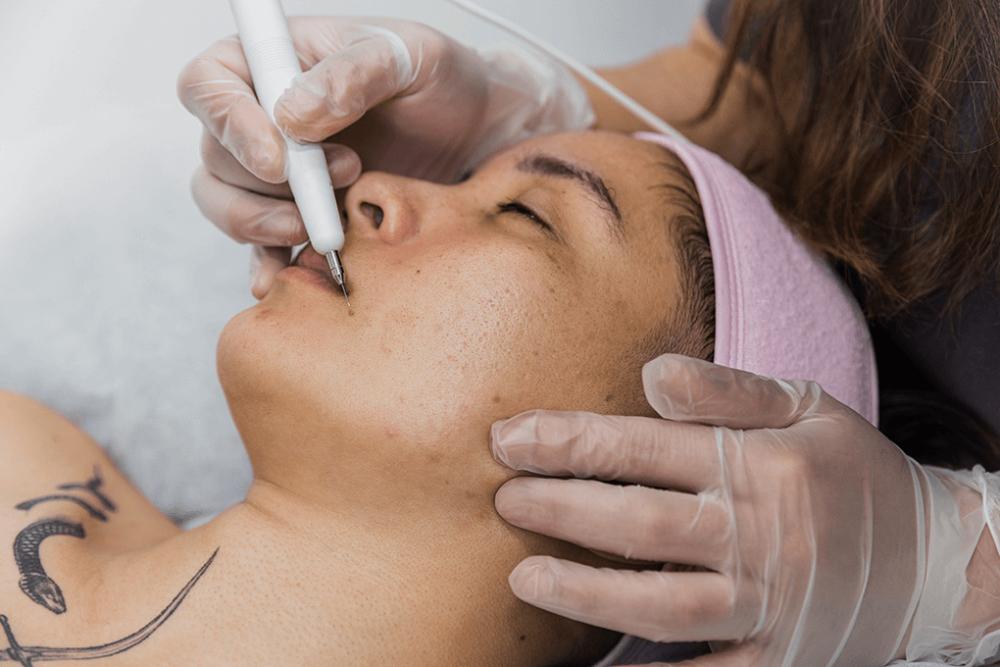
Electrosurgery uses controlled electrical energy to destroy wart tissue. Depending on the wart and its location, it may be considered when other approaches have not produced the desired response.
Because the procedure involves the direct treatment of tissue, appropriate assessment and aftercare are important.
Laser-Based Treatment
Some persistent or difficult-to-treat warts may be considered for laser-based approaches. These treatments use focused energy to target wart tissue.
Laser treatment is not automatically appropriate for every wart, so professional evaluation is important before choosing this option.
How to Choose the Right Method Safely
There is no single wart removal method that is ideal for everyone. A safer decision starts with matching the treatment to the individual characteristics of the wart.
Consider these factors:
1. Identify the Wart Type
A plantar wart may require a different approach from a small flat wart on the face. Correct identification helps narrow down the appropriate options.
2. Consider the Location
Sensitive areas such as the face, around the nails, or areas exposed to frequent friction may require additional care. Treatment should minimize unnecessary damage to surrounding skin.
3. Look at the Wart's Size and Number
A single small wart may be managed differently from several large or clustered growths. Multiple lesions can also increase the importance of preventing spread.
4. Consider Your Skin
Skin sensitivity, irritation, and previous reactions to treatments should be discussed before selecting a method. People with easily irritated skin may need a carefully tailored approach.
5. Think About Previous Treatment
If a wart has already been treated without success, repeating exactly the same approach may not be the most useful next step. A professional can assess why it may have persisted and consider another option.
Why DIY Wart Removal Requires Caution
Home remedies and over-the-counter products are widely discussed, but using unsuitable techniques can irritate or injure the skin. Cutting, burning, picking, or aggressively scraping a wart can increase the risk of bleeding, infection, scarring, and spreading the virus to nearby skin.
Avoid attempting to remove a growth yourself if:
- You are unsure whether it is actually a wart.
- The growth is bleeding or changing.
- It is located near the eyes or on another highly sensitive area.
- You have a condition that affects wound healing.
- Previous home treatments have caused significant irritation.
- The growth keeps returning.
When there is uncertainty, professional evaluation is a safer starting point.
What to Expect During Wart Removal
The experience depends on the selected treatment. Some methods can cause temporary redness, tenderness, swelling, blistering, or crusting. These effects can be part of the normal healing process, but aftercare instructions should be followed carefully.
Keeping the treated area clean and avoiding unnecessary picking or scratching can help support healing. It is also important to follow any instructions regarding skincare, sun exposure, or activities that could irritate the area.
Preventing Warts From Spreading
Removing an existing wart is only part of the process. Good hygiene can reduce the chances of spreading the virus to other parts of the body or to other people.
Helpful habits include:
- Avoid picking or scratching warts.
- Wash your hands after touching a wart.
- Avoid sharing personal items such as towels and nail tools.
- Keep the affected area clean and dry.
- Do not shave directly over a wart.
- Avoid biting nails if warts are present around the fingers.
- Keep feet dry if dealing with plantar warts.
These simple precautions can complement a professional treatment plan.
Choosing Wart Removal in Dubai
Dubai offers access to a range of modern skin-treatment options, but the most suitable method should be based on the individual rather than simply choosing the newest or most widely advertised technique. A proper assessment can help determine whether cryotherapy, topical treatment, electrosurgery, laser-based treatment, or another approach is appropriate.
The goal should be safe removal while protecting the surrounding skin and reducing the likelihood of complications. Asking about the expected healing process, possible side effects, aftercare, and whether follow-up may be needed can also help you understand the treatment before proceeding.
Final Thoughts
Choosing the best wart removal method starts with understanding the type of wart and considering its location, size, appearance, and history. While several treatment options are available, the safest choice is not necessarily the most aggressive one. Professional assessment can help identify the growth correctly and guide treatment toward an approach that suits the individual skin and situation.
If you are considering Wart Removal in Dubai, taking the time to understand your options and follow proper aftercare can make the process more straightforward and help protect your skin throughout treatment.


