








How to Understand Fractional CO2 Laser Treatment

Understanding modern skin treatments can be confusing, especially when several laser procedures promise smoother, clearer, and younger-looking skin. Fractional CO2 Laser Treatment in Dubai is one option that has gained attention for addressing concerns such as acne scars, uneven texture, fine lines, and visible signs of sun damage. But before considering any laser procedure, it is important to understand what it does, how it works, and what the recovery process may involve.
Fractional CO2 laser resurfacing is designed to treat selected microscopic areas of the skin rather than removing the entire surface at once. This fractional approach allows untreated skin surrounding the treated areas to remain intact, which can support the skin's natural healing process.
What Is Fractional CO2 Laser Treatment?
Fractional CO2 laser treatment is a type of laser skin resurfacing that uses carbon dioxide laser energy to create controlled microscopic treatment zones in the skin. These tiny columns of energy stimulate the skin's repair response while leaving areas of surrounding tissue untreated.
The treatment can be used to improve several common skin concerns. Depending on the individual's skin condition and treatment plan, it may help improve the appearance of acne scars, fine lines, wrinkles, uneven texture, and certain types of sun-related skin changes.
Unlike a simple surface-level facial, fractional resurfacing works deeper within the skin. The controlled treatment encourages remodeling of collagen, an important structural protein responsible for skin firmness and support.

How Does Fractional CO2 Laser Work?
The easiest way to understand the procedure is to think of it as creating thousands of tiny treatment points rather than treating the entire skin surface uniformly.
The laser delivers energy into selected microscopic columns of tissue. The surrounding untreated skin remains available to support the healing process. As the treated areas heal, the body produces new collagen and gradually replaces damaged tissue with healthier-looking skin.
This process can improve skin texture over time rather than producing every possible result immediately after treatment.
Several factors influence how the procedure is performed, including:
- The skin concern being treated
- The treatment area
- Skin type and tone
- Desired results
- Previous skin treatments
- Individual healing characteristics
Because these factors vary from person to person, treatment settings should be selected following an appropriate professional skin assessment.
What Skin Concerns Can It Address?
One reason people explore Fractional CO2 Laser Treatment in Dubai is its ability to address multiple texture-related concerns with one resurfacing approach.
It may be considered for:
Acne Scars
Fractional resurfacing can help improve the appearance of certain depressed acne scars by encouraging collagen remodeling. The extent of improvement depends on the type, depth, and age of the scars.
Fine Lines and Wrinkles
Controlled resurfacing may soften the appearance of some fine lines and wrinkles by improving skin texture and stimulating collagen production.
Uneven Skin Texture
Rough or irregular skin texture can sometimes make the complexion appear tired. Fractional laser resurfacing can encourage smoother-looking skin as the treated areas heal.
Sun-Damaged Skin
Long-term sun exposure can contribute to uneven texture, pigmentation changes, and visible signs of aging. Laser resurfacing may be incorporated into a broader plan for improving the appearance of photodamaged skin.
It is important to remember that not every pigmentation concern is appropriate for the same laser approach. A proper assessment is particularly important for individuals with darker or more pigment-prone skin.
What Happens During Treatment?
Before treatment, the skin is typically assessed and prepared according to the planned procedure. The treatment area is cleansed, and an appropriate form of numbing is used when necessary.
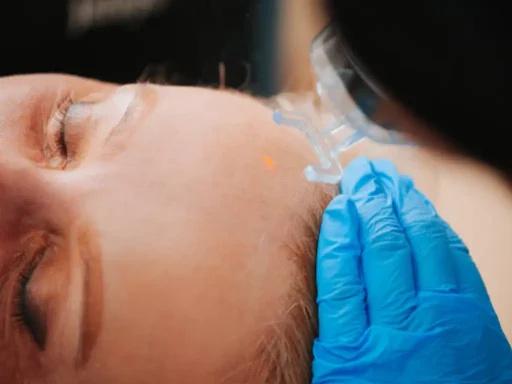
During fractional CO2 resurfacing, the laser device is moved across the selected area, delivering controlled pulses of energy. Patients may experience warmth, tingling, or discomfort depending on the intensity of treatment and individual sensitivity.
The procedure itself is only one part of the experience. Skin preparation and aftercare are equally important because the treated skin needs time to recover.
What Is Recovery Like?
Recovery can vary considerably depending on the intensity of the treatment and the amount of skin treated. Immediately afterward, the skin may look red and feel warm, sensitive, or similar to a sunburn. Swelling and temporary irritation may also occur.
As healing progresses, the skin may become dry or peel. It is important not to pick, scratch, or aggressively exfoliate the treated area because doing so may interfere with healing.
General aftercare may include:
- Keeping the treated area clean as instructed
- Using recommended moisturizers or protective products
- Avoiding unnecessary sun exposure
- Applying suitable broad-spectrum sunscreen after the skin has healed sufficiently
- Avoiding irritating skincare products until advised that they can be resumed
- Following all personalized aftercare instructions
People considering laser resurfacing should plan their schedule around the expected recovery period rather than assuming they can immediately return to every normal activity.
Is Fractional CO2 Laser Suitable for Everyone?
Fractional CO2 treatment is not automatically appropriate for every person or every skin concern. Skin tone, medical history, active skin conditions, previous procedures, medications, and healing tendencies can all influence whether resurfacing is suitable.
People with darker skin tones may have a higher risk of post-inflammatory pigmentation after certain laser treatments. This does not necessarily mean laser resurfacing cannot be considered, but it highlights the importance of individualized assessment and appropriate treatment settings.
A professional consultation should address questions such as:
- What skin concern needs to be treated?
- Is fractional CO2 the appropriate option?
- What level of treatment is suitable?
- How much downtime should be expected?
- What complications should be considered?
- Which skincare products should be stopped before and after treatment?
Understanding these factors can help set realistic expectations.
How to Get Better Results From Treatment
Good results are not determined by the laser alone. Skin preparation, appropriate treatment selection, and consistent aftercare all play important roles.
For people considering Fractional CO2 Laser Treatment in Dubai, sun protection deserves particular attention. Dubai's strong sunlight makes protecting recovering skin especially important. Excessive UV exposure after resurfacing may increase the likelihood of unwanted pigmentation and can interfere with the overall recovery process.
It is also helpful to avoid experimenting with strong exfoliants or active skincare ingredients during the recovery period unless they have been specifically approved for use.
Most importantly, patients should follow the aftercare plan provided for their individual treatment rather than relying solely on general advice found online.
Understanding the Treatment Before Making a Decision
Fractional CO2 laser resurfacing is more than a cosmetic procedure that simply removes a layer of skin. It is a controlled treatment designed to stimulate a healing response and encourage changes in skin texture and collagen structure.
Understanding the process makes it easier to appreciate why results can develop gradually and why recovery is an important part of treatment. It also helps patients ask better questions during a consultation and establish realistic expectations.
For anyone researching Fractional CO2 Laser Treatment in Dubai, the most useful first step is to understand the procedure, potential benefits, recovery requirements, and possible risks before deciding whether it fits their individual skin goals.
Frequently Asked Questions
1. Is fractional CO2 laser the same as regular CO2 laser resurfacing?
Not exactly. Fractional treatment targets microscopic columns of skin while leaving surrounding areas untreated. This differs from fully ablative resurfacing, which can treat a larger continuous area of the skin surface.
2. How long does it take to see results?
Results develop progressively as the skin heals and collagen remodeling takes place. The timeline varies according to treatment intensity, skin condition, and individual healing.
3. Can fractional CO2 laser treat acne scars?
It can be used for certain types of acne scars and may improve their appearance by encouraging collagen remodeling. However, different scar types respond differently, so an individual assessment is important.
4. Is aftercare important following fractional CO2 treatment?
Yes. Proper aftercare helps support healing and reduce avoidable irritation. Sun protection and following personalized skincare instructions are particularly important during recovery.


