








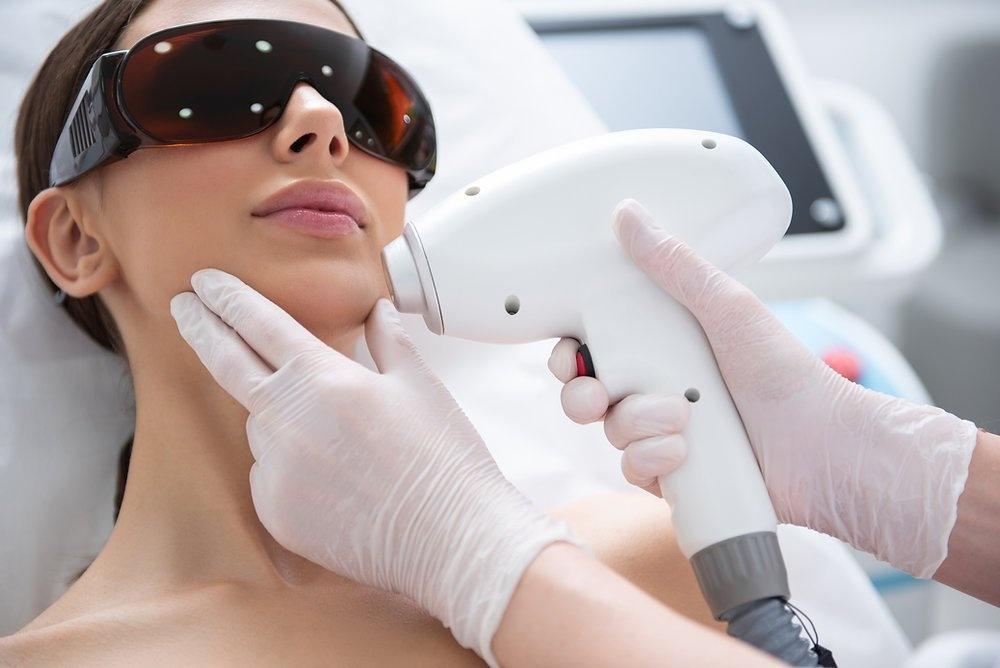
Is Laser Hair Removal Safe for All Skin Types?

Laser hair removal has become a popular option for people who want longer-lasting reduction in unwanted hair, but one important question remains: is it safe for every complexion? If you are considering Laser Hair Removal in Dubai, understanding how laser technology interacts with different skin tones can help you make a more informed decision. Modern devices can be adjusted for various skin types, but the right laser, settings, and professional assessment are essential for achieving safe results.
How Does Laser Hair Removal Work on Different Skin Types?
Laser hair removal works by directing concentrated light toward melanin, the pigment found in hair. The light is absorbed by the hair follicle, where it converts into heat and damages the follicle's ability to produce new hair.
Because the laser interacts with pigment, skin tone is an important consideration. Traditional laser technologies were generally more effective for lighter skin with darker hair because the contrast made it easier to target the hair follicle while limiting exposure to surrounding skin.
Modern laser hair removal technology offers more options. Certain devices and wavelengths can be used for a broader range of complexions when properly selected and calibrated. However, this does not mean every laser or treatment setting is appropriate for every person.
A professional consultation should therefore come before treatment. Your skin tone, hair color, hair thickness, treatment area, tanning history, and sensitivity can all influence the safest approach.
Is Laser Hair Removal Safe for Darker Skin?
People with darker skin can undergo laser hair removal, but treatment requires particular care. Higher levels of melanin in the skin can absorb some of the laser energy along with the hair pigment. If unsuitable settings are used, this may increase the risk of temporary or, in some cases, more noticeable skin changes.
For darker complexions, professionals may choose technologies and wavelengths designed to provide better separation between the hair follicle and surrounding skin. Longer wavelengths, such as those commonly associated with Nd laser systems, are often considered useful for treating darker skin because they penetrate deeper and interact differently with surface pigment.
Safe treatment depends on more than simply choosing a particular device. Energy levels, pulse duration, cooling, treatment intervals, and the experience of the practitioner all matter.
A consultation and, when appropriate, a patch test can help determine how your skin responds before a larger treatment area is addressed.
What About Sensitive or Very Light Skin?
Light skin is often suitable for laser hair removal, particularly when the unwanted hair is darker than the surrounding skin. The contrast can make it easier for the laser to identify and target the follicle.
However, sensitive skin still needs careful treatment. Sensitivity does not necessarily mean that laser hair removal is unsafe, but it may influence the settings and preparation used during the procedure.
Temporary redness, mild swelling around hair follicles, warmth, or a sunburn-like sensation can occur after treatment. These effects generally settle relatively quickly, but anyone with highly reactive skin should discuss their history with a qualified professional beforehand.
For individuals with very light hair, including blonde, gray, white, or some red hair, the issue can be different. These hairs contain less melanin, giving many laser systems less pigment to target. As a result, hair reduction may be less predictable than it is for darker hair.
Which Laser Technology Is Suitable for Different Complexions?
There is no single laser that is automatically the best choice for everyone. The appropriate technology depends on your skin type, hair characteristics, treatment area, and individual response.
Common technologies used in laser hair reduction include:
- Alexandrite lasers: Often used for lighter skin tones and darker hair because they can provide strong absorption by hair pigment.
- Diode lasers: Can be suitable for several skin types and are widely used for hair reduction when appropriately configured.
- Nd lasers: Often considered for darker skin because their longer wavelength can reduce the amount of energy absorbed by surface skin pigment.
- Combination or advanced systems: Some clinics use platforms with different wavelengths or adjustable settings to personalize treatment.
The device itself does not guarantee safety. A suitable laser operated with inappropriate settings can still cause problems, while a properly selected device and carefully controlled settings can improve treatment safety.
This is why professional assessment is particularly important for people with medium-to-deep skin tones, recently tanned skin, or a history of pigmentation changes.
How Can You Make Laser Hair Removal Safer?
Preparation and aftercare are important regardless of your complexion. Following professional instructions can reduce unnecessary irritation and help the treated skin recover properly.
Before your appointment, you may be advised to:
- Avoid intentional tanning: Recently tanned skin can contain increased pigment, which may affect how the laser interacts with the skin.
- Protect the treatment area from the sun: Consistent sun protection is particularly important before and after treatment.
- Avoid waxing or plucking: Laser treatment needs the hair follicle to remain present so the laser can target it.
- Tell your practitioner about skin concerns: Mention previous pigmentation problems, unusual reactions, or products that may make your skin more sensitive.
- Follow shaving instructions: Depending on the treatment area and device, shaving shortly before the session may be recommended.
After treatment, protecting the skin from excessive sun exposure is especially important. A broad-spectrum sunscreen can help minimize the chance of unwanted pigmentation changes while the skin settles.
You should also avoid unnecessary heat, friction, or irritating skincare products immediately after treatment if your practitioner recommends doing so.
What Are the Possible Risks for Different Skin Types?
Laser hair removal is generally considered a controlled cosmetic procedure, but no treatment is completely free of potential side effects. The risks can vary according to skin tone, laser type, treatment settings, and individual sensitivity.
Common short-term effects can include redness, mild swelling, warmth, and temporary discomfort around the follicles.
Less common complications may include changes in pigmentation. Darker areas can sometimes become lighter or darker after treatment, particularly when the skin has recently been exposed to the sun or when unsuitable laser settings are used.
Rarely, blistering, burns, scarring, or other skin reactions can occur. Choosing an experienced and appropriately qualified practitioner, using suitable technology, and following preparation and aftercare instructions can help reduce these risks.
A consultation is also an opportunity to ask whether a patch test is appropriate for you. This can provide useful information about how your skin responds before treating a larger area.
What Should You Ask Before Your Treatment?
If you are unsure whether your complexion is suitable, asking a few practical questions during your consultation can help you understand the treatment plan.
Consider asking:
- Which laser wavelength is being recommended for my skin tone?
- How will the settings be adjusted for my complexion?
- Is a patch test recommended?
- What side effects should I expect?
- How should I prepare my skin before treatment?
- What sun-exposure precautions should I follow?
- How will my progress be monitored between sessions?
A reputable provider should be able to explain why a particular technology and setting are being selected rather than simply recommending the same approach for every client.
Frequently Asked Questions
1. Is laser hair removal safe for all skin tones?
Laser hair removal can be performed on many different skin tones, but the safest approach depends on selecting suitable technology and settings. Darker skin may require particular wavelengths and careful energy management.
2. Can people with dark skin get laser hair removal?
Yes. People with dark skin can be candidates for laser hair removal. However, appropriate equipment, conservative settings, cooling, and professional experience are especially important because darker skin contains more melanin.
3. Is laser hair removal safe for sensitive skin?
Sensitive skin does not automatically prevent treatment. However, the practitioner should evaluate your skin and adjust the treatment approach accordingly. A patch test may also be considered.
4. Does laser hair removal work on blonde or gray hair?
Laser effectiveness depends partly on the amount of pigment in the hair. Blonde, gray, and white hairs contain little or no melanin, so some laser systems may provide limited results compared with darker hair.
Conclusion
Laser hair removal is not necessarily limited to one skin tone, but safety and effectiveness depend on individualized treatment. The right wavelength, carefully selected settings, skin preparation, sun protection, and practitioner experience all play important roles.
If you are considering Laser Hair Removaltreatment, start with a professional consultation rather than assuming that one device or setting will work for everyone. A personalized assessment can help determine whether the treatment is appropriate for your skin and hair characteristics while addressing potential risks beforehand.


