








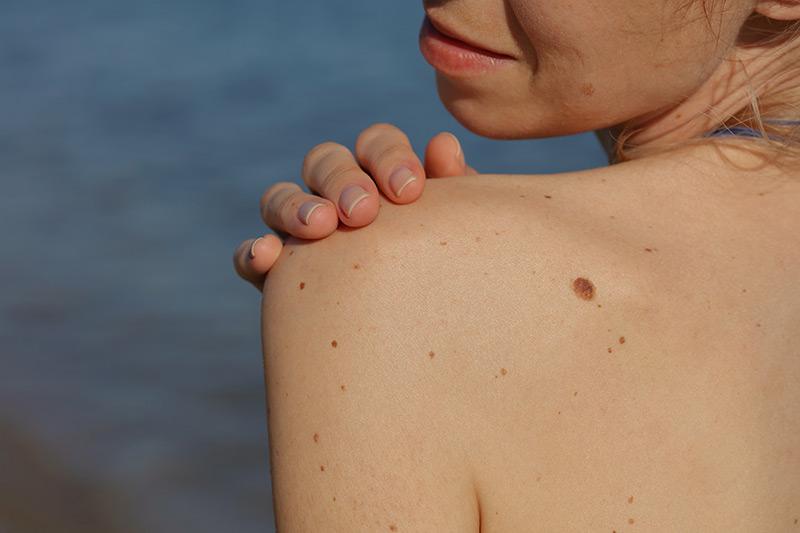
Is mole removal safe?

Mole Removal Treatment is generally considered a safe dermatological procedure when it is performed by a qualified healthcare professional after the mole has been properly assessed. Most moles are harmless, but some may require medical investigation before removal. People considering إزالة الشامات في دبي should consult a dermatologist rather than attempting to remove a mole themselves. Professional assessment helps determine whether the mole is suitable for cosmetic removal or whether a biopsy and further examination are necessary.
Is Mole Removal Generally Safe?
For an appropriate mole, removal can usually be performed safely in a clinical setting. Dermatologists commonly use techniques such as surgical excision or surgical shave, depending on the mole’s size, depth, location, and appearance.
The procedure is often performed using local anaesthesia, so the treatment area is numb during removal. The dermatologist also uses appropriate sterile techniques and wound-care measures to reduce avoidable complications.
However, no skin procedure is completely risk-free. The possible risks depend on the removal method and individual healing response.
What Are The Possible Risks?
Possible complications of mole removal may include:
- Bleeding
- Infection
- Tenderness or discomfort
- Temporary swelling or redness
- Changes in skin pigmentation
- Scarring
- Mole recurrence in some cases
The risk of scarring depends partly on the size and depth of the mole, the treatment location, the removal technique, and the individual’s tendency to form scars. Dermatologists can use their clinical experience to reduce unnecessary injury and manage the healing process.
Why Is A Dermatologist Important?
A dermatologist does more than simply remove the visible mole. Before treatment, the professional can assess whether the mole appears typical or has features that require further investigation.
A mole that is growing, changing colour or shape, itching, or bleeding should be medically assessed. These changes can sometimes be associated with melanoma, so removing such a mole as a purely cosmetic procedure without proper assessment could delay diagnosis.
If a suspicious spot requires investigation, a dermatologist may perform a biopsy and send the tissue to a laboratory. Examining tissue under a microscope is necessary to establish whether skin cancer is present.
Is Mole Removal Painful?
Most mole-removal procedures use local anaesthesia to numb the area. Patients may feel a brief pinch or stinging sensation when the anaesthetic is administered, but the treatment area should remain numb during the procedure.
Some tenderness, tightness, or mild discomfort may occur afterward. The level of discomfort depends on the size and location of the mole and the type of removal performed.
Your dermatologist can provide specific aftercare instructions and explain which symptoms are expected during healing.
Can Mole Removal Leave A Scar?
Yes. Because mole removal involves removing tissue from the skin, a scar may develop. Even procedures designed to minimise scarring cannot guarantee completely mark-free skin.
The appearance of the scar may depend on:
- Size and depth of the mole
- Removal technique
- Location on the body
- Individual healing
- Skin type
- Tendency to develop raised or noticeable scars
Following wound-care instructions can help support proper healing. Patients should avoid picking at a healing wound or removing scabs prematurely.
Is It Safe To Remove A Mole At Home?
No. Cutting, shaving, burning, or applying unapproved mole-removal products at home can cause infection, bleeding, scarring, and skin injury. More importantly, removing a suspicious mole without professional assessment can delay the diagnosis of skin cancer.
Home removal also may not remove all of the mole tissue. If the lesion later changes or grows back, it may require further medical assessment.
For these reasons, professional evaluation is safer than attempting a DIY removal.
What Happens Before Mole Removal?
The process usually begins with a consultation. The dermatologist may ask when the mole appeared, whether it has changed, and whether it has caused symptoms such as itching, irritation, or bleeding.
The mole may be examined closely, sometimes with a dermatoscope. If it appears suitable for removal, the dermatologist can explain the available procedure and expected healing.
If there is concern that the mole could be cancerous, the priority is diagnosis. A biopsy may be performed so the tissue can be examined in a laboratory.
What Happens After Mole Removal?
After the mole is removed, the treatment area is cleaned and protected. Depending on the technique, the dermatologist may use stitches or a dressing.
Patients should keep the area clean and follow the wound-care instructions provided by the healthcare professional. They should also monitor for increasing pain, spreading redness, significant swelling, discharge, or other unusual symptoms.
If stitches are required, the dermatologist will explain whether and when they need to be removed.
Which Moles Need Medical Assessment?
Any mole that looks different from the others or changes over time deserves attention. The ABCDE signs can help identify concerning changes:
- A — Asymmetry: One half differs from the other.
- B — Border: The border is irregular or poorly defined.
- C — Colour: The colour is uneven or contains multiple shades.
- D — Diameter: The spot is often larger than 6 mm, although melanoma can be smaller.
- E — Evolving: The mole changes in size, shape, colour, or appearance.
A mole with one of these features does not automatically mean cancer, but it should be examined by a dermatologist.
Frequently Asked Questions:
Is mole removal completely risk-free?
No. Although professional mole removal is generally safe, complications such as infection, bleeding, pigmentation changes, scarring, and recurrence can occur.
Can a dermatologist remove a suspicious mole?
A dermatologist can assess and remove a suspicious lesion when appropriate, often using a biopsy so the tissue can be examined for abnormal or cancerous cells.
Is mole removal safer than removing a mole at home?
Yes. Professional removal allows the mole to be assessed properly and reduces the risks associated with infection, uncontrolled bleeding, scarring, and delayed cancer diagnosis.
Can a mole grow back after removal?
Yes, recurrence can occur. A mole that grows back should be examined by a dermatologist.
Should every mole be removed?
No. Most moles are harmless and do not require treatment. Removal may be considered when a mole is bothersome, cosmetically unwanted, or medically suspicious.
Conclusion:
Mole removal is generally safe when performed by a qualified dermatologist following appropriate assessment. The procedure may involve surgical excision, surgical shave, or biopsy depending on the characteristics of the mole. Possible risks include infection, bleeding, pigmentation changes, scarring, and recurrence. Most importantly, changing, itching, bleeding, or unusual moles should be assessed before cosmetic removal because some skin cancers can resemble ordinary moles. Professional evaluation and proper aftercare help make mole removal safer and support appropriate diagnosis when necessary.


