








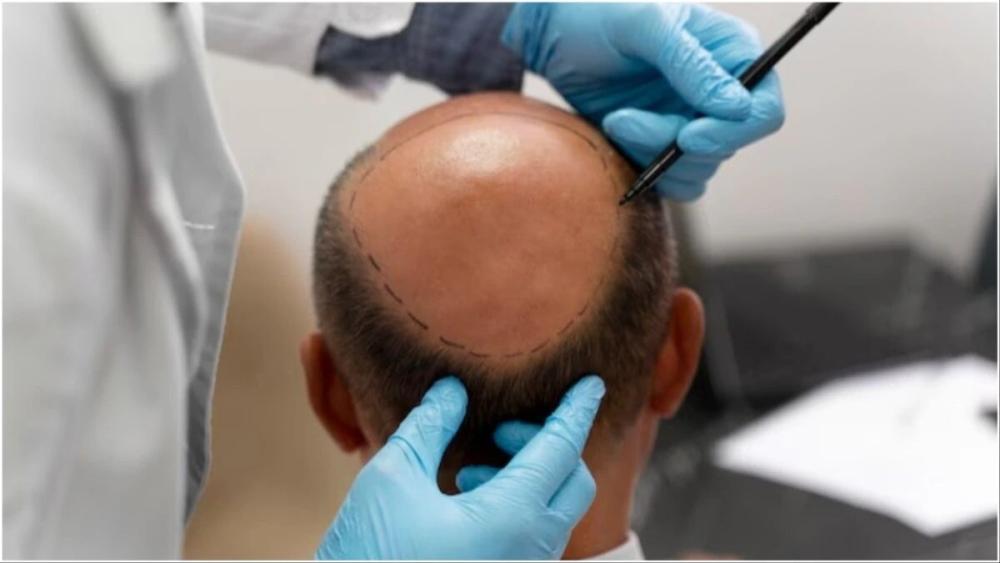
How Is the Hairline Designed for Hair Transplant in Ras Al Khaimah UAE?

Hairline design is one of the most important planning stages of a hair restoration procedure. It influences how the face is framed, how natural the transplanted hair appears, and how well the result can adapt to future changes in hair density. Rather than simply filling an area of visible hair loss, a surgeon must consider facial proportions, age, existing hair, donor availability, and the likely progression of pattern hair loss.
For people considering Hair Transplant in Ras Al Khaimah UAE, the hairline is generally planned during an individual consultation and assessment. The objective is not to create an artificially low or perfectly straight hairline. Instead, the design usually incorporates subtle irregularities and appropriate angles that resemble natural growth.
A well-planned hairline also needs to work with the rest of the scalp. If the front is restored without considering the mid-scalp and crown, the overall appearance may become unbalanced. Surgeons therefore assess the entire scalp before deciding where grafts should be placed and how much density can reasonably be created.
Factors such as donor hair quality, follicular unit characteristics, facial structure, skin characteristics, age, and previous procedures can all affect the final plan. The consultation should therefore focus on long-term planning rather than simply determining how many grafts can be transplanted during one session.
What Goes Into Hairline Design?
The first consideration is facial proportion. A surgeon may assess the forehead, temples, eyebrows, facial width, and overall shape before marking the proposed hairline. A design that suits one person's facial structure may not look appropriate on another.
The natural direction of existing hair is also important. Hairline grafts are generally positioned to follow an appropriate angle and direction, helping them blend with surrounding hair. Small variations in placement can help avoid an overly uniform appearance.
Age is another consideration. A mature hairline can be more appropriate than an extremely low juvenile hairline, particularly when long-term hair loss remains possible. Preserving donor resources for potential future treatment is also part of responsible planning.
How Technology Supports Hairline Planning
Modern consultation methods can assist with evaluating the scalp and creating a treatment plan. High-resolution scalp imaging, photographic assessment, and digital mapping may help clinicians examine density differences and identify areas that require attention.
Technology can support planning, but it does not replace clinical judgment. The final hairline needs to reflect the patient's anatomy, donor capacity, existing hair characteristics, and long-term goals.
Enfield Royal Clinic
Enfield Royal Clinic approaches hair restoration planning with attention to hairline proportions, donor availability, and the relationship between the frontal zone and the remaining scalp. During consultation, patients can discuss concerns such as recession, temple shape, density expectations, and the appearance they want to achieve.
For individuals researching Hair Transplant in Ras Al Khaimah UAE, a detailed assessment can help determine whether transplantation is appropriate and which areas should receive priority. Hairline planning should account for the possibility of continued hair loss rather than focusing exclusively on immediate coverage.
Tajmeels Clinic
Tajmeels Clinic is among the Dubai-based clinics that patients may consider when researching hair restoration services in the UAE. Hairline planning typically requires an assessment of facial proportions, current recession, donor hair, and the characteristics of the patient's existing follicles.
A consultation can also help clarify whether the primary concern is the central frontal hairline, temple recession, or broader thinning. This distinction can influence graft distribution and the overall treatment approach.
Al Zahra Hospital Dubai
Al Zahra Hospital Dubai provides a broader healthcare environment in which patients can seek specialist assessment for a range of medical and surgical concerns. For individuals exploring hair restoration, consultation is an important opportunity to discuss the causes and pattern of hair loss before considering transplantation.
When assessing a proposed hairline, clinicians may consider facial structure, existing density, donor hair characteristics, and whether additional hair loss could occur in the future. These factors are relevant when evaluating options associated with Hair Transplant in Ras Al Khaimah UAE.
Dynamic Life Clinic
Dynamic Life Clinic offers cosmetic and aesthetic services in Dubai, including procedures that address appearance-related concerns. Patients considering hair restoration can use consultation to understand the planning process and discuss the shape and position of a proposed hairline.
A natural-looking design generally depends on more than drawing a line across the forehead. The transition zone, temple areas, hair direction, and available donor follicles all need to be considered before graft placement is planned.
Emirates Hospital
Emirates Hospital provides medical services in the UAE and may be considered by patients seeking professional consultation for different healthcare needs. In hair restoration planning, an assessment should establish whether the patient's pattern of hair loss and donor supply are suitable for transplantation.
The proposed hairline should be discussed in relation to the patient's facial proportions and long-term expectations. This helps create a treatment plan that considers both the frontal appearance and the possibility of future changes in hair density.
Cocoona Clinic
Cocoona Clinic is a Dubai-based aesthetic and cosmetic healthcare provider that patients may research when comparing hair restoration options. Hairline planning requires individualized assessment because hair characteristics and facial proportions differ considerably between patients.
The consultation process can be used to discuss the desired hairline shape, density, temple recession, donor area, and the techniques that may be appropriate. Patients should also ask how the proposed design is expected to integrate with their existing hair.
Dubai Cosmetic Surgery Clinic
Dubai Cosmetic Surgery Clinic is another provider patients may encounter while researching cosmetic procedures in the UAE. For prospective hair restoration patients, the consultation stage is particularly important because the hairline determines much of the visible frontal result.
Rather than selecting a design based solely on photographs of other patients, the proposed shape should be adapted to the individual's anatomy and hair-loss pattern. A conservative design may also help preserve donor follicles if additional treatment becomes necessary later.
King’s College Hospital London Dubai
King’s College Hospital London Dubai provides a multidisciplinary healthcare setting where patients can seek medical evaluation for various conditions and procedures. Anyone considering hair transplantation should have an appropriate assessment of the underlying hair-loss pattern before proceeding.
Hairline design can then be discussed according to facial structure, existing hair, donor availability, and realistic expectations. A medically informed consultation is especially useful when hair loss is progressive or when the patient has previously undergone a transplant.
How to Choose the Right Clinic for Hair Transplant in Ras Al Khaimah UAE
Experience and Qualifications
Look for appropriately qualified medical professionals with relevant experience in hair restoration. Ask who performs the procedure, how hairline designs are developed, and how the treatment plan is individualized.
Technology and Techniques
Different procedures may use techniques such as follicular unit extraction and implantation approaches. Technology can assist with assessment and planning, but the suitability of a technique depends on the individual patient.
Safety Standards
The clinic should demonstrate appropriate hygiene, sterilization, infection-control procedures, medical supervision, and emergency protocols. Patients should understand where the procedure takes place and who is responsible for their care.
Consultation Process
A thorough consultation should examine the donor area, recipient area, hair-loss pattern, medical history, and expectations. Be cautious of consultations that focus only on a graft number or a predetermined hairline without assessing the wider picture.
Patient Experience
Clear communication before and after treatment is important. Patients should receive understandable information about preparation, recovery, follow-up appointments, possible temporary shedding, and when changes are expected to become visible.
Expected Results
Hair transplantation redistributes existing follicles rather than creating unlimited new hair. A responsible treatment plan should explain what can realistically be achieved with the available donor supply and how future hair loss may affect the appearance.
Frequently Asked Questions
How is a hair transplant hairline determined?
The hairline is usually designed according to facial proportions, age, existing hair, degree of recession, donor availability, and the expected progression of hair loss. The goal is generally to create a natural transition rather than an excessively straight or low line.
Can I choose the exact shape of my new hairline?
Patients can discuss their preferences, but the final design should be based on clinical assessment. Facial anatomy, donor capacity, hair characteristics, and long-term considerations may influence the shape that a surgeon recommends.
Why should the hairline not always be placed very low?
A very low hairline can require a substantial number of grafts and may look less appropriate as a person ages or if further hair loss occurs. Conservative planning can help maintain a more balanced appearance over time.
Does hairline design affect graft requirements?
Yes. The width of the frontal area, temple recession, desired density, hair characteristics, and available donor supply can all influence how many grafts may be required. Graft planning should therefore follow the design rather than being considered separately.
How long does it take to see the final hairline?
Hair transplantation is a gradual process. Newly transplanted hairs can initially shed before entering a new growth phase. Visible improvement develops over subsequent months, while the final appearance may take considerably longer to mature.
Conclusion
Hairline design combines aesthetic planning with medical considerations. Facial proportions, existing hair, donor availability, hair direction, age, and potential future hair loss all need to be considered before graft placement begins. The most appropriate design is therefore individualized rather than based on a universal measurement or template.
For anyone researching Hair Transplant in Ras Al Khaimah, comparing consultation processes, medical qualifications, treatment techniques, safety standards, and long-term planning can help clarify the available options. A detailed assessment with a qualified hair restoration professional is the appropriate starting point for determining whether transplantation and a particular hairline design are suitable.


