








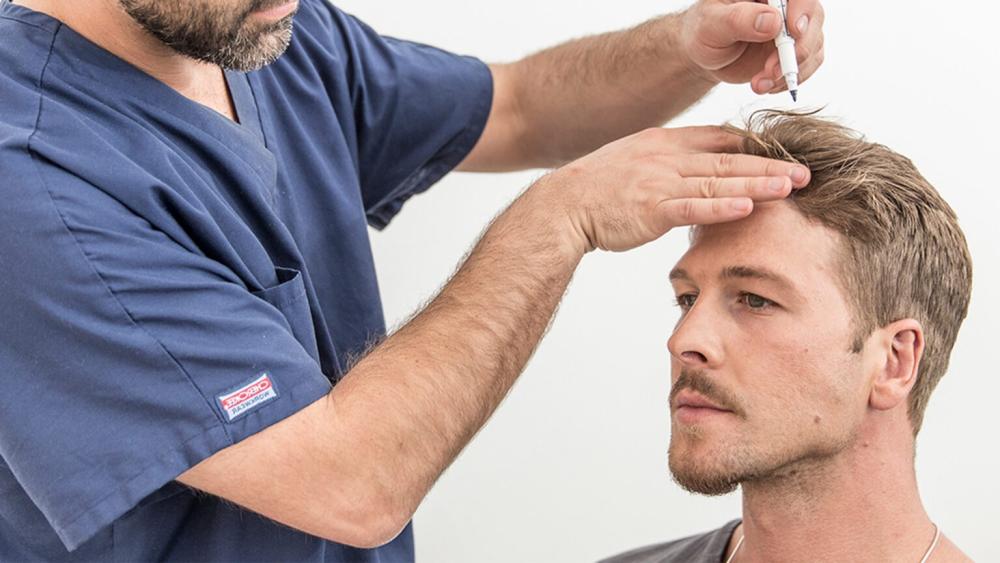
Exploring Robotic Hair Transplant in Dubai for Hair Restoration

Hair loss can gradually affect the hairline, crown, and overall scalp coverage, making restoration a consideration for people who want to improve both density and appearance. Modern hair restoration has moved beyond conventional approaches, with technology now playing a greater role in planning and graft extraction. One such development is robotic-assisted transplantation, which uses imaging, digital analysis, and automated guidance to support certain stages of the procedure.
For people researching Robotic Hair Transplant in Dubai, understanding how the technology actually contributes to treatment is more useful than focusing only on the presence of a robotic system. The quality of a restoration still depends on appropriate patient selection, donor-area assessment, surgical expertise, graft handling, and a carefully designed implantation plan.
Robotic systems may assist with identifying suitable follicular units, mapping the donor region, and supporting consistent extraction. Depending on the platform and treatment protocol, the system may be used alongside follicular unit extraction techniques rather than replacing the medical team. The surgeon or qualified hair-restoration specialist remains responsible for treatment planning, clinical decisions, hairline design, and other critical aspects of the procedure.
Dubai has become a prominent destination for aesthetic and restorative treatments, giving patients access to clinics and medical facilities offering different hair restoration technologies. However, robotic treatment is not automatically appropriate for every type of hair loss. A detailed assessment is necessary to determine whether the available donor supply, hair characteristics, degree of thinning, and long-term pattern of loss make the approach suitable.
Understanding Robotic Hair Restoration
Robotic hair restoration combines computer-assisted imaging with specialized instruments to improve precision during selected stages of transplantation. The system can analyse follicular units and help identify potential grafts within the donor area while considering factors such as follicle orientation and spacing.
The purpose is not simply to automate the procedure. Instead, robotic assistance can provide additional information and consistency during a technically demanding process. The medical team still needs to determine which follicles should be selected and how the harvested grafts will contribute to the desired result.
For suitable candidates, this approach can be particularly useful when a detailed assessment of the donor region is required. It may also help create a more systematic extraction pattern, reducing the risk of concentrating harvesting in one small area.
What Happens During the Treatment?
Treatment usually begins with a consultation and scalp examination. The specialist assesses the extent and pattern of hair loss, evaluates donor density, discusses the patient's goals, and considers whether sufficient healthy follicles are available for transplantation.
Digital imaging may then be used to analyse the scalp and assist with treatment planning. If robotic assistance is appropriate, the system can support follicular-unit identification and extraction from the donor region.
After harvesting, the grafts are prepared for implantation. Their placement requires careful planning because direction, angle, distribution, and density all influence the final appearance. The front hairline generally requires particular attention because poorly planned placement can make a restoration appear unnatural.
The exact workflow differs according to the technology available, the patient's condition, and the surgeon's preferred technique. Patients should therefore ask which parts of the procedure are robot-assisted and which are performed manually.
Who May Be a Suitable Candidate?
Robotic transplantation may be considered for adults experiencing certain forms of pattern hair loss who have an adequate supply of healthy donor follicles. However, suitability cannot be determined from the visible degree of baldness alone.
A specialist may evaluate:
- The stability and progression of hair loss
- Donor-area density and follicular quality
- Hair thickness and texture
- The condition of the scalp
- Existing transplanted or scarred areas
- The expected number of grafts required
- Long-term preservation of the donor region
People experiencing active or unexplained hair loss may require further evaluation before undergoing transplantation. In some situations, medical management may be recommended first to stabilize ongoing loss.
Planning Density and Hairline Design
A successful restoration is not necessarily about placing the maximum possible number of grafts. Donor follicles are limited, so they must be allocated strategically.
Hairline design is particularly important. A natural-looking hairline generally includes irregularity and appropriate variation rather than a perfectly straight artificial boundary. Graft direction should also correspond with the surrounding hair.
For the crown and mid-scalp, the strategy can be different. Specialists may distribute available grafts according to the patient's existing density, age, degree of thinning, and anticipated future loss.
This is why robotic assistance should be viewed as a technological component rather than the entire treatment. A sophisticated system cannot replace individualized surgical planning.
Recovery and Aftercare
Following transplantation, patients normally receive instructions regarding scalp cleansing, physical activity, sleeping position, and protection of the treated area. Temporary redness, swelling, tenderness, or crusting can occur during the early recovery period.
The transplanted follicles do not immediately produce mature hair. Newly transplanted hairs commonly go through a shedding phase before gradual growth becomes visible. Improvement therefore develops over several months rather than immediately after the procedure.
Following the recommended aftercare plan is important for protecting the grafts during their early healing period. Patients should also attend follow-up appointments when advised so that the medical team can evaluate healing and progress.
How to Choose the Right Provider for Robotic Hair Transplant in Dubai
Choosing a provider requires more than confirming that robotic equipment is available. The technology should be considered alongside the qualifications and experience of the medical professional performing or supervising the procedure.
Experience and Qualifications
Ask about the clinician's training in hair restoration, experience with follicular-unit extraction, and familiarity with robotic-assisted systems. A provider should be able to explain why the technology is suitable for your particular pattern of hair loss.
Technology and Techniques
Different robotic platforms and transplantation protocols can vary. Patients should ask what system is used, which stages are automated, and how robotic assistance is integrated with manual surgical work.
Safety Standards
A reputable facility should maintain appropriate sterilisation, infection-control, patient-monitoring, and emergency protocols. The procedure should be carried out in a properly equipped medical environment by appropriately qualified professionals.
Consultation Process
A thorough consultation should involve donor-area assessment, discussion of hair-loss progression, realistic expectations, and an explanation of possible alternatives. Be cautious of consultations that focus mainly on promotional packages without adequately examining the underlying cause of hair loss.
Patient Experience
Clear communication before and after treatment can make the process easier to manage. Patients should receive understandable information about preparation, recovery, follow-up, and possible complications.
Expected Results
Results depend on donor availability, graft survival, existing hair characteristics, the extent of loss, and the quality of treatment planning. A responsible provider should discuss realistic outcomes rather than promise a specific level of density.
Frequently Asked Questions
Is robotic hair transplantation completely performed by a robot?
No. Robotic systems are designed to assist with specific stages of treatment. Medical professionals remain responsible for assessment, treatment planning, surgical decisions, and other important aspects of the procedure.
Is robotic hair restoration suitable for advanced baldness?
It depends on the individual's donor supply and pattern of hair loss. Advanced baldness does not automatically make someone unsuitable, but limited donor availability can restrict the amount of coverage that can realistically be achieved.
Does robotic transplantation provide permanent results?
Transplanted follicles can provide long-term growth when they are appropriately selected and successfully transplanted. However, non-transplanted hair may continue to thin because of the underlying hair-loss condition.
How long does it take to see results after robotic transplantation?
Visible growth develops gradually. The transplanted hairs may initially shed, followed by new growth over subsequent months. The final appearance generally requires patience and should be assessed over the longer recovery period.
Is robotic hair transplantation painful?
The procedure is generally performed using local anaesthesia, which helps control discomfort during treatment. Some tenderness, tightness, or sensitivity can occur afterward, but the experience varies between individuals.
Conclusion
Robotic technology has introduced another option for people exploring modern hair restoration. By combining digital scalp analysis and computer-assisted follicular selection with clinical expertise, robotic systems can support precision during selected stages of transplantation. However, technology alone does not determine the quality of a result.
For anyone considering Robotic Hair Transplant, the most important factors remain appropriate candidate assessment, donor management, natural hairline planning, graft handling, medical expertise, and realistic expectations. A detailed consultation can help determine whether robotic assistance is appropriate and how available donor follicles can be used effectively for long-term restoration.


