








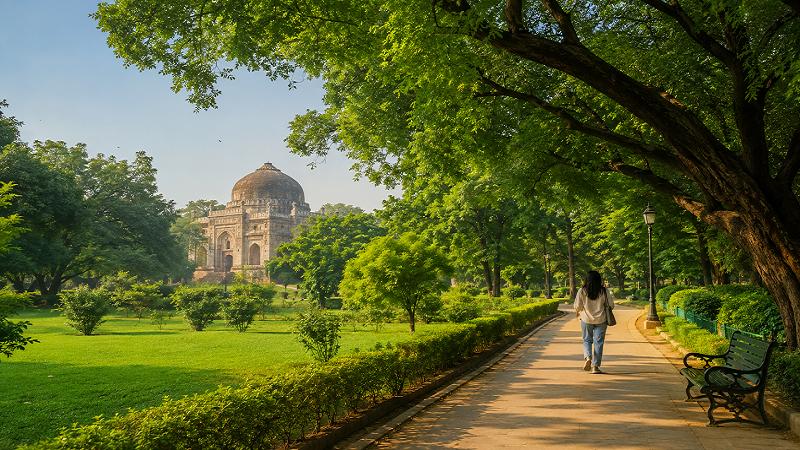
Advantages of Living Close to South Delhi's Historic Green Areas

South Delhi is home to some of the city's oldest green pockets, many of them wrapped around centuries-old monuments. Areas near the Qutub Minar complex and the Southern Ridge forest offer something increasingly rare in a dense capital city: quiet, tree-lined surroundings within a short drive of major commercial hubs.
Living close to these zones is not just about scenery. It shapes daily routines, air quality, and even long-term property value. Many residents who research a Mehrauli property rental service specifically look for buildings near these green pockets, since the difference in daily comfort compared to denser parts of the city is noticeable almost immediately.
This article looks at exactly why proximity to South Delhi's historic green areas matters, what benefits and trade-offs come with it, and how to evaluate these locations practically before renting or buying.
Key Takeaways
- Homes near the Southern Ridge and Qutub Minar belt benefit from better air quality and lower noise levels than denser South Delhi neighborhoods.
- Proximity to green, heritage-rich areas supports mental well-being through easier access to walking trails and open spaces.
- Property values near well-maintained green zones tend to hold steadier over time compared to purely commercial pockets.
- Families benefit from safer, low-traffic surroundings ideal for children and elderly residents.
- Limited public transport in some green-belt pockets remains a genuine trade-off.
- Mehrauli offers one of the more accessible entry points into this lifestyle compared to areas like Chattarpur or Vasant Kunj.
What Are South Delhi's Historic Green Areas?
Direct answer: South Delhi's historic green areas are heritage-linked green zones — including the Qutub Minar complex, the Southern Ridge forest, and pockets like Sainik Farm — that combine centuries-old monuments with protected or semi-protected natural cover.
These are not manicured city parks. Many are remnants of Delhi's older forest cover, preserved partly because of their proximity to protected monuments. Mehrauli sits at the heart of this belt, making it one of the few South Delhi localities where residential buildings, heritage structures, and forest cover exist within walking distance of each other.
Why Does Proximity to Green, Heritage-Rich Areas Matter?
Air Quality and Environmental Comfort
Green cover naturally filters dust and pollutants, which makes air quality near the Southern Ridge and Qutub Minar belt noticeably better than in denser, traffic-heavy parts of Delhi. Residents living within a kilometer or two of these zones often report less dust accumulation and cooler surroundings during summer months.
Noise Reduction and Everyday Calm
Tree cover and lower vehicle density around heritage-protected zones reduce ambient noise significantly. This matters for remote workers, students, and anyone sensitive to constant traffic sound, which is common in more commercial South Delhi pockets.
How Living Near Green Areas Affects Daily Lifestyle
Quick answer: Proximity to green, heritage-rich zones shapes daily routines around walking, outdoor activity, and slower-paced living, which is harder to access in denser city areas.
Residents near these belts often build habits around them — morning walks near the forest edge, weekend visits to heritage sites, or simply spending more time outdoors because the environment supports it. This is a lifestyle shift that's difficult to replicate in areas dominated by malls, offices, and heavy traffic.
Family and Wellness Benefits
- Safer outdoor spaces for children to play
- Lower pollution exposure for elderly residents
- Easy access to walking trails for fitness routines
- Reduced stress linked to quieter surroundings
- Better sleep quality reported in lower-noise zones
These benefits compound over time rather than showing up immediately. A family that moves into a green-adjacent neighborhood might not notice a dramatic difference in the first week, but over months, patterns like fewer respiratory complaints, more consistent outdoor playtime for kids, and generally calmer evenings tend to become noticeable. This is part of why long-term residents near Mehrauli's green pockets often describe the area as suited for slower, more settled living rather than a fast-paced urban lifestyle.
Property Value Impact of Green and Heritage Proximity
Homes near well-maintained green belts tend to hold their value more consistently than those in purely commercial zones, mainly because demand for such locations remains steady even during broader market slowdowns. Limited supply also plays a role — there is only so much land directly bordering protected forest or heritage zones, which naturally supports long-term price stability.
This is one reason interest in affordable Apartments in Mehrauli has grown steadily, as buyers look for a balance between reasonable pricing and proximity to this kind of green, heritage-linked environment.
Comparing South Delhi Localities by Green Access
|
Locality |
Green/Heritage Access |
Noise Level |
Best Suited For |
|
Mehrauli |
High (Qutub Minar, Southern Ridge) |
Low to moderate |
Families, remote workers, nature-focused buyers |
|
Saket |
Moderate (Deer Park nearby) |
Moderate to high |
Working professionals, urban lifestyle seekers |
|
Vasant Kunj |
Moderate (ridge-adjacent pockets) |
Moderate |
Corporate professionals |
|
Chattarpur |
High (farmhouse greenery) |
Low |
Large families, privacy-focused buyers |
Mehrauli stands out for combining heritage tourism, forest proximity, and residential affordability in one place — a mix not easily found elsewhere in South Delhi.
Benefits of Choosing a Home Near Historic Green Zones
- Cleaner air and cooler microclimate: Tree cover reduces heat and filters pollutants more effectively than concrete-heavy neighborhoods.
- Lower ambient noise: Fewer commercial establishments and heavier greenery buffer traffic sound.
- Stronger long-term property value: Limited land near protected zones supports price stability.
- Enhanced mental well-being: Regular access to green space is linked to lower stress and better mood regulation.
- Unique lifestyle identity: Living near heritage sites like the Qutub Minar offers a sense of place that newer, purely commercial developments lack.
- Better options for outdoor fitness: Walking trails and open spaces support daily exercise routines without needing a gym.
Challenges of Living Near Green and Heritage Zones
Living close to these areas comes with a few genuine trade-offs that buyers and tenants should weigh carefully.
- Limited public transport in interior green-belt pockets: Some areas near the forest edge are farther from metro stations, requiring more reliance on personal vehicles.
- Construction restrictions near heritage zones: Properties close to protected monuments may face stricter building regulations, limiting renovation or expansion options.
- Seasonal insect activity: Proximity to forest cover can mean more seasonal insects, especially during monsoon months.
- Fewer commercial conveniences nearby: Green-belt pockets often have fewer malls, restaurants, and retail options within walking distance.
- Wildlife encounters: Areas bordering the Southern Ridge occasionally see monkeys or other wildlife, which some residents find inconvenient.
Real-Life Considerations for Buyers and Tenants
For Families
Families should visit prospective homes at different times of day to judge real noise levels, foot traffic, and safety around green zones. Proximity to schools and hospitals still matters, even in quieter, greener pockets.
For Remote Workers and Retirees
Remote workers and retirees often prioritize quiet surroundings over commercial convenience. For this group, slightly longer travel times to markets or the metro are usually an acceptable trade-off for the calmer environment.
Practical Checklist Before Choosing a Green-Belt Property
- Visit the property during both morning and evening hours
- Check distance to the nearest metro station or bus route
- Confirm availability of nearby schools, clinics, and grocery stores
- Ask about construction or renovation restrictions near heritage zones
- Assess road condition and streetlighting for evening walks
- Speak with current residents about noise, wildlife, or seasonal issues
Future Outlook: Will Demand for Green-Belt Living Keep Growing?
Interest in homes near South Delhi's historic green zones is likely to keep rising as air quality and urban congestion remain ongoing concerns across the city. Continued residential growth in Mehrauli reflects this shift, with more buyers and tenants actively seeking the balance between city access and natural surroundings that this belt offers. As remote work remains common, demand for calmer, greener residential pockets is expected to stay strong rather than fade.
FAQs
1. Why do homes near South Delhi's green areas often cost more?
Limited land supply near protected forest and heritage zones, combined with steady demand from buyers seeking cleaner air and quieter surroundings, keeps prices relatively stable and sometimes higher than purely commercial areas.
2. Is Mehrauli a good choice for families wanting green surroundings?
Yes. Mehrauli combines heritage sites, forest proximity, and residential infrastructure, making it a practical option for families who want green living without leaving South Delhi entirely.
3. Are there transport limitations in green-belt areas near Mehrauli?
Some interior pockets near the forest edge have limited public transport access, so residents often rely more on personal vehicles or autos compared to metro-adjacent neighborhoods.
4. Do properties near heritage zones face construction restrictions?
Yes, properties close to protected monuments like the Qutub Minar may face stricter building regulations, which can limit major renovations or vertical expansion.
5. How does air quality near the Southern Ridge compare to the rest of Delhi?
Air quality near the Southern Ridge is generally better due to tree cover filtering dust and pollutants, though it still fluctuates with the city's overall seasonal pollution levels.
6. Is wildlife a real concern when living near these green zones?
Occasional wildlife, such as monkeys, can be seen near forest-adjacent properties, though this is generally a minor inconvenience rather than a serious safety issue for most residents.
7. Are green-belt properties in Mehrauli more affordable than in Chattarpur?
Generally, yes. Mehrauli tends to offer more affordable options compared to Chattarpur's farmhouse-dominated market, while still providing meaningful access to green and heritage surroundings.
8. What lifestyle changes can residents expect when moving near a heritage-green zone?
Residents often adopt more outdoor-focused routines, such as regular walks or weekend visits to heritage sites, along with generally quieter daily surroundings compared to commercial neighborhoods.
9. Do these areas suit remote workers well?
Yes, quieter surroundings and lower noise levels make green-belt areas near Mehrauli appealing for remote workers who need a calm daily environment.
10. Will demand for homes near South Delhi's green areas keep increasing?
Current trends suggest demand will likely continue rising, driven by growing awareness of air quality, wellness, and the ongoing shift toward flexible, remote-friendly work arrangements.
Conclusion
Living close to South Delhi's historic green areas offers a distinct combination of cleaner air, quieter surroundings, and long-term property stability that is increasingly hard to find elsewhere in the city. Mehrauli, with its blend of heritage sites, forest proximity, and relative affordability, remains one of the strongest examples of this lifestyle within reach of the city's core. While trade-offs like limited transport access and construction restrictions are worth considering, the overall balance of health, lifestyle, and long-term value continues to make these green-belt neighborhoods a compelling choice for a wide range of residents


