








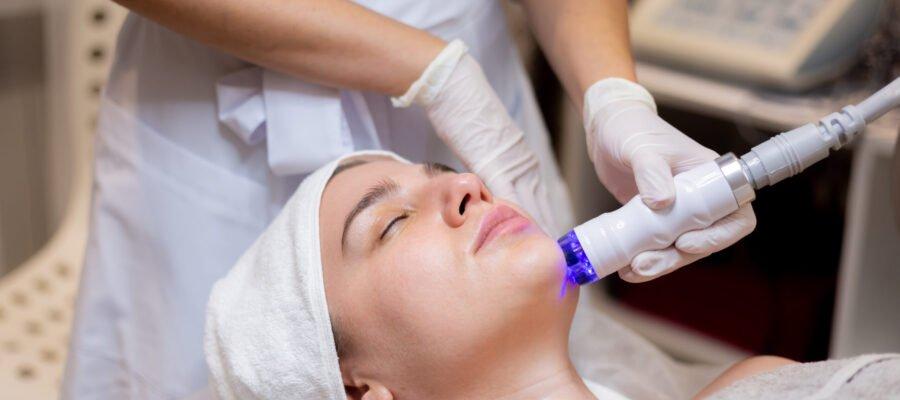
Best Acne Treatment: Treatments and Skin Care Tips for Clearer Skin

Acne can be frustrating, especially when pimples keep returning despite trying different products. Finding the best acne treatment in Dubai starts with understanding what is causing your breakouts and choosing a routine that matches your skin type and acne severity. From proven ingredients such as benzoyl peroxide and salicylic acid to prescription options for persistent acne, the right approach can help control breakouts while protecting the skin barrier.
Understanding What Causes Acne
Acne develops when hair follicles become blocked with excess oil and dead skin cells. Bacteria can multiply within these clogged follicles, contributing to inflammation and the formation of pimples, whiteheads, blackheads, nodules, or cysts. Hormonal changes can also increase oil production and trigger or worsen breakouts.
Because acne has different forms and levels of severity, there is no single product that works equally well for everyone. Mild blackheads and occasional pimples may respond to over-the-counter skincare, while painful or persistent acne may require assessment by a dermatologist.
The earlier persistent acne is addressed, the better. Untreated or repeatedly picked acne can increase the likelihood of post-inflammatory dark spots and scarring, particularly when inflammation becomes more severe.
Effective Acne Treatments to Consider
The most suitable acne treatment depends on whether the main concern is clogged pores, inflammation, excess oil, or recurring breakouts. Commonly recommended active ingredients include benzoyl peroxide, salicylic acid, retinoids, and azelaic acid.
Benzoyl Peroxide
Benzoyl peroxide is widely used for mild to moderate acne because it helps reduce acne-causing bacteria and can also help clear blocked pores. It is available in different creams, gels, and washes and is often one of the first treatments recommended for uncomplicated acne.
However, stronger does not always mean better. Benzoyl peroxide may cause dryness, redness, peeling, or irritation, so beginners should follow product directions and consider starting gradually if their skin is sensitive.
It can also bleach fabrics and hair, so care should be taken when applying it around clothing, towels, and bedding. Daily sun protection is also important when using acne treatments that can irritate the skin.
Salicylic Acid
Salicylic acid is a useful ingredient for acne-prone skin because it helps unclog pores and remove excess dead skin cells. It can be particularly helpful for blackheads, whiteheads, and oily skin.
If your skin becomes dry or irritated, reduce how frequently you use the product rather than adding more acne treatments. Combining several exfoliating ingredients at once can make irritation more likely.
Retinoids
Topical retinoids, such as adapalene and tretinoin, help prevent dead skin cells from building up inside hair follicles. They can address existing acne while helping reduce the formation of new clogged pores.
Retinoids can cause temporary irritation, particularly when first introduced. They should be used according to professional or product guidance, and topical retinoids should not be used during pregnancy because of potential risks.
Azelaic Acid
Azelaic acid can be another option, particularly for people who find other acne ingredients too irritating. It helps reduce clogged pores and bacteria and may also be useful when acne is accompanied by lingering discoloration.
For persistent, painful, or severe acne, a dermatologist may recommend prescription treatments. Depending on the individual case, these can include topical medications, oral antibiotics, hormonal treatments, or isotretinoin for selected severe cases. Isotretinoin requires specialist supervision because of its potential side effects and important pregnancy-related precautions.
Skin Care Tips for Acne-Prone Skin
An effective acne routine is not only about treating pimples. Maintaining a healthy skin barrier can make active treatments easier to tolerate and may help prevent unnecessary irritation.
A simple routine can include:
- Cleanse gently: Wash the face with a mild cleanser and lukewarm water. Washing too frequently or scrubbing aggressively can irritate the skin.
- Use non-comedogenic products: Choose moisturizers, makeup, and sunscreen labeled non-comedogenic or designed for acne-prone skin.
- Moisturize regularly: Acne medications can cause dryness, so a lightweight, fragrance-free moisturizer can help support the skin barrier.
- Wear sunscreen: Use broad-spectrum SPF 30 or higher, particularly when acne treatments make the skin more sensitive to sunlight.
- Avoid picking: Squeezing or popping pimples can increase inflammation and raise the risk of scarring and dark marks.
- Remove makeup before bed: Leaving cosmetics on overnight may contribute to clogged pores, particularly when products are not suitable for acne-prone skin.
- Cleanse after heavy sweating: Showering after exercise can help remove sweat and oil that may irritate acne-prone skin.
The key is consistency. Constantly changing products can make it difficult to determine what is helping and can expose your skin to unnecessary irritation.
How to Build a Simple Acne Routine
A beginner does not need a complicated shelf full of products. In fact, a simple routine can be easier to maintain and less likely to overwhelm sensitive skin.
Morning
Start with a gentle cleanser, followed by a suitable acne treatment if recommended for your skin. Apply a lightweight moisturizer and finish with broad-spectrum sunscreen.
Evening
Cleanse gently and apply your selected acne treatment according to its directions. Finish with moisturizer, especially if your skin feels dry or tight.
Introduce new active ingredients gradually. Many acne treatments need several weeks before noticeable improvement occurs, and some treatments may take two to three months or longer to show their full benefit.
If irritation develops, using the product less frequently may help your skin adjust. However, persistent burning, swelling, severe peeling, or worsening symptoms should be discussed with a healthcare professional.
When Professional Acne Treatment May Be Better
Over-the-counter skincare can be helpful for mild acne, but it is not always enough for persistent or severe breakouts. A professional assessment can determine whether your acne is inflammatory, hormonal, cystic, or related to another skin concern.
Consider seeking dermatological advice if:
- Acne is painful, deep, or frequently recurring.
- Breakouts are leaving scars or persistent dark marks.
- Acne affects your chest or back extensively.
- Pharmacy or over-the-counter treatments have not helped.
- Acne is affecting your confidence or emotional well-being.
- You are unsure which active ingredients are suitable for your skin.
Moderate or severe acne may require prescription medication, while severe nodules, cysts, or acne with a significant risk of scarring may need specialist care.
Professional acne care can also be useful when breakouts continue despite a consistent skincare routine. Instead of repeatedly trying stronger products, a dermatologist can help identify the most appropriate combination of treatments.
How Long Does Acne Treatment Take to Work?
One of the biggest mistakes people make is expecting acne to disappear within a few days. Most effective acne treatments require consistent use over time.
For example, benzoyl peroxide may begin working within around four weeks, while its full effects can take two to four months. Other acne medications can also take several weeks before meaningful improvement becomes noticeable.
This does not mean you should continue a product that causes significant irritation. Instead, use treatments as directed and give them enough time to work before deciding that they have failed.
It is also important to remember that acne can return after it has improved. Maintenance treatment and a consistent skin care routine may therefore be needed to keep breakouts under control.
Conclusion
The best approach to acne combines an appropriate active treatment with gentle, consistent skincare. Ingredients such as benzoyl peroxide, salicylic acid, retinoids, and azelaic acid can play useful roles, but the right choice depends on the type and severity of your acne. Avoiding harsh scrubbing, picking pimples, and constantly changing products can also help protect your skin.
If breakouts are persistent, painful, or leaving scars, professional guidance can help you find a more targeted solution rather than relying on trial and error. With patience and a suitable routine, best acne treatment choices can become part of a practical plan for clearer, healthier-looking skin.


