








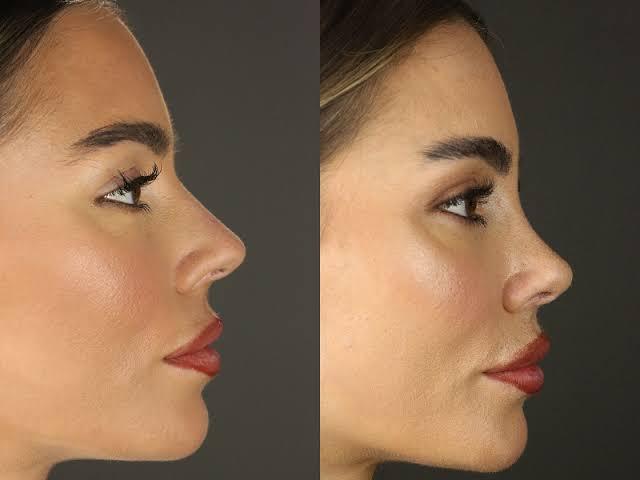
How Can You Prepare for Rhinoplasty in Pakistan?

Preparing for any surgical procedure is an important step. Good preparation can help patients understand what to expect and make the recovery period easier to manage. Rhinoplasty is a procedure that can change the shape or structure of the nose, so patients should take enough time to understand the process before making a decision.
Rhinoplasty in Pakistan may be considered by people who want to improve the appearance of their nose or address certain structural concerns. Because every person has a different nose and facial structure, preparation should be based on individual needs.
Before surgery, patients should discuss their goals with a qualified medical professional, provide accurate health information, understand the procedure, and prepare for the recovery period. Having realistic expectations is also an important part of preparation.
Start With a Detailed Consultation
The first step before rhinoplasty is usually a consultation. This is the time to discuss your concerns and explain what you want to improve about your nose.
You may be concerned about the size of your nose, the shape of the bridge, the nasal tip, nostrils, or the overall appearance of your profile. Some people may also have concerns about breathing or changes caused by an old injury.
During the consultation, your nose and surrounding facial features can be assessed. This helps the medical professional understand your individual structure and discuss suitable treatment options.
Clearly Explain Your Goals
Before the procedure, think about what you want to change. You should be able to explain which parts of your nose make you uncomfortable and what type of improvement you hope to achieve.
Some patients want a small and subtle change, while others may have more specific concerns about the shape or structure of the nose.
Clear communication is important because it helps create a treatment plan that matches your goals. It is also helpful to understand that your desired result must be realistic for your natural anatomy.
Discuss Your Medical History
Your medical history is an important part of surgical preparation. Make sure you provide accurate information about your health and any previous medical treatment.
Tell your medical team about previous surgeries, allergies, medications, supplements, and any other relevant health information.
Do not leave out information because you think it is not important. Even small details may be useful when planning surgery and recovery.
Ask About Your Current Medicines
Some medicines and supplements may affect surgery or healing. This is why patients should tell their medical professional about everything they are currently taking.
Do not stop or change any prescribed medicine on your own. Instead, ask your medical professional whether any medicine needs to be adjusted before surgery.
Following professional instructions is safer than making changes yourself.
Understand the Rhinoplasty Procedure
Learning about the procedure before surgery can help reduce confusion. Ask your medical professional to explain what will happen during the operation.
You can ask which areas of the nose will be changed and why those changes are recommended.
It is also useful to ask about anesthesia, expected surgery time, recovery, possible risks, and follow-up care.
You do not need to understand every medical term. If something is difficult to understand, ask for a simple explanation.
Set Realistic Expectations
One of the most important parts of preparing for rhinoplasty is having realistic expectations.
A reference photo can show the type of appearance you like, but it does not mean your nose will look exactly the same. Every person has different skin, cartilage, bone structure, and facial proportions.
The final result depends on many individual factors. The goal should be to improve the appearance of your nose while creating a result that fits naturally with your face.
Understand Your Facial Proportions
The nose is located in the center of the face, so it has an important relationship with other facial features.
Before surgery, discuss how the planned changes may affect the balance between your nose, cheeks, lips, chin, forehead, and eyes.
A nose that looks suitable on one person may not look the same on another person. Personalized planning can help create a result that works with your existing facial features.
Prepare for the Recovery Period
Recovery is an important part of rhinoplasty preparation. Patients should understand that the nose may not look normal immediately after surgery.
Swelling and bruising can occur, and temporary changes in the appearance of the nose are common during healing.
Plan enough time for rest and recovery. If you have work, school, or other regular responsibilities, arrange your schedule in advance.
Knowing that recovery takes time can help you remain patient while your nose heals.
Arrange Help at Home
Depending on the procedure and your individual situation, you may need help during the early recovery period.
It can be useful to arrange for a trusted person to accompany you after surgery and help with basic needs if necessary.
Having support available can make the first few days more comfortable and allow you to focus on rest and recovery.
Prepare Your Recovery Space
Before surgery, prepare a comfortable and clean place where you can rest.
Keep important items within easy reach so you do not need to move around unnecessarily. You can also prepare simple meals and keep drinking water nearby.
Planning these small details before surgery can make the recovery period easier.
Follow Pre-Surgery Instructions
Your medical team may provide specific instructions before the procedure. These instructions can vary depending on your health and the type of surgery being planned.
Follow the instructions carefully and ask questions if anything is unclear.
Do not rely on general advice alone because your preparation requirements may be different from another person's.
Avoid Making Last-Minute Changes
It is better to avoid making unnecessary changes to your routine immediately before surgery.
Do not start new medicines, supplements, diets, or treatments without discussing them with your medical professional.
If you develop an illness or notice a health problem before surgery, inform your medical team. They can decide whether anything needs to be changed.
Plan Your Transportation
Patients should also think about transportation before surgery.
If anesthesia or medication is used, you may not be able to drive yourself home. Arrange transportation in advance according to the instructions provided by your medical team.
Planning this early can prevent unnecessary stress on the day of surgery.
Prepare Questions Before Your Appointment
It is easy to forget important questions during a consultation. Writing your questions down before your appointment can help.
You may want to ask about the recommended procedure, expected results, possible risks, recovery time, aftercare, and follow-up appointments.
You can also ask what you should do before and after surgery.
A good consultation should give you a clear understanding of the treatment process.
Understand Possible Risks
Rhinoplasty is a surgical procedure, so it has possible risks and complications. Patients should understand these before deciding to have surgery.
Ask your medical professional to explain the risks associated with your specific procedure and how they may be managed.
Understanding risks does not mean that problems will happen. It simply helps you make a more informed decision.
Plan for Follow-Up Appointments
Follow-up care is an important part of recovery. Your medical team may want to check your healing and monitor the progress of your nose.
Make sure you understand when follow-up appointments are expected and what you should do if you have concerns during recovery.
Do not ignore unusual symptoms. Contact your medical team if you have questions or concerns about your healing.
Be Patient With the Final Result
One of the biggest mistakes patients can make is expecting the final result too quickly.
After rhinoplasty, swelling can affect the appearance of the nose. As healing continues, the shape can gradually become clearer.
The exact healing timeline can vary from person to person. Follow your medical professional's advice and give your body enough time to recover.
Take Care of Your General Health
Maintaining good general health is also important before surgery. Follow a healthy routine and get enough rest.
Eat balanced meals and stay properly hydrated unless your medical professional gives you different instructions.
If you smoke or use nicotine products, discuss this with your medical team because it may affect healing and surgical care.
Focus on Your Own Decision
The decision to undergo rhinoplasty should be personal. You should choose surgery because you want to address a concern about your appearance or nasal function, not because someone else is pressuring you.
Social media and photographs can sometimes create unrealistic ideas about beauty. Remember that every face is different.
Your goal should be an improvement that suits you and your natural features.
Choosing the Right Approach for Your Needs
Preparation also includes understanding that there is no single rhinoplasty approach that is perfect for everyone.
A treatment plan should be based on your nasal structure, facial proportions, goals, and medical needs.
During your consultation, ask why a particular approach is recommended for you. Understanding the reason behind the treatment plan can help you feel more prepared.
What Should You Expect on the Day of Surgery?
Your medical team will provide specific instructions about the day of surgery. These may include information about eating, drinking, medicines, clothing, transportation, and arrival time.
Follow these instructions carefully.
Try to remain calm and give yourself enough time to arrive without rushing. Having everything arranged beforehand can make the day easier.
Aftercare Is Part of Successful Preparation
Preparation does not end when the surgery is complete. Following aftercare instructions is an important part of the healing process.
Your medical professional may provide instructions about protecting the nose, sleeping position, physical activity, cleaning, medicines, and follow-up visits.
Following these instructions can help support a safe and organized recovery.
Final Thoughts
Preparing for rhinoplasty in Pakistan involves more than simply choosing a surgery date. It includes understanding the procedure, discussing your goals, reviewing your medical history, asking questions, setting realistic expectations, and preparing for recovery.


