








Who Needs Fractional CO2 Laser Resurfacing?

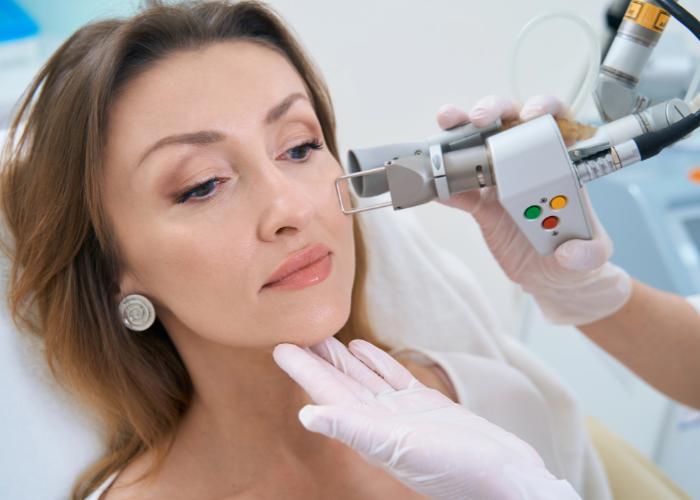
If you are dealing with acne scars, uneven skin texture, fine lines, or visible sun damage, you may wonder whether laser resurfacing is suitable for you. Fractional CO2 Laser Treatment in Dubai is an ablative resurfacing option that creates microscopic columns of controlled skin injury to encourage new collagen and healthier-looking skin. However, it is not automatically appropriate for everyone. The right candidate depends on the skin concern, skin type, medical history, expectations, and ability to follow aftercare.
Who Is a Good Candidate for Fractional CO2 Laser Resurfacing?
Fractional CO2 resurfacing is generally considered by people who want to improve the quality and texture of their skin, rather than simply treat a temporary blemish. Because the treatment stimulates a healing response deeper within the skin, it can address several concerns at once.
People who may benefit include those with:
- Depressed or atrophic acne scars
- Fine lines and wrinkles
- Uneven skin texture
- Sun-damaged skin
- Certain age-related pigmentation concerns
- Some other types of superficial scars
- Mild to moderate signs of skin ageing
Laser resurfacing is commonly used for fine wrinkles, uneven color or texture, sun damage, age spots, and mild to moderate acne scars. Fractional technology leaves untreated areas between microscopic treatment columns, which can help shorten recovery compared with treating the entire surface continuously.
Therefore, someone whose main concern is persistent skin texture or scarring may be a more appropriate candidate than someone simply looking for a quick cosmetic refresh.
People With Acne Scars May Benefit Most
One of the most common reasons people consider fractional CO2 laser resurfacing is acne scarring. Acne can leave depressed areas in the skin even after active breakouts have disappeared. These scars may remain noticeable because the deeper structure of the skin has been altered.
Fractional laser energy creates controlled microscopic columns within the skin. The resulting healing response encourages remodeling and new collagen formation, which can gradually make some scars appear smoother and less pronounced.
However, not every acne scar should automatically be treated with CO2 laser. Dermatologists distinguish between different scar types, including depressed and raised scars, and treatment should be selected according to the specific scar pattern.
People with active acne may need to control their breakouts before considering aggressive resurfacing. Treating active inflammation first can make the overall treatment plan safer and more predictable. The American Society for Dermatologic Surgery also notes that active acne may make someone unsuitable for laser resurfacing.
Is Fractional CO2 Laser Suitable for Ageing Skin?
Another group that may consider Fractional CO2 Laser Treatment is people noticing visible signs of skin ageing, particularly fine lines, wrinkles, rough texture, and sun-related changes.
As skin ages, collagen production and skin renewal change. Sun exposure can also contribute to uneven texture, pigmentation, and wrinkles. Ablative laser resurfacing removes microscopic portions of the outer skin while heating deeper tissue, stimulating a healing process associated with collagen remodeling.
Fractional resurfacing may be useful when someone wants to improve skin quality without undergoing a surgical procedure. It can be used on areas such as the face, neck, chest, arms, and hands, depending on the treatment plan and the technology being used.
It is important to have realistic expectations, though. Laser resurfacing can improve skin texture and some signs of ageing, but it does not correct significant sagging or replace a surgical lifting procedure.
Who May Need Treatment for Sun Damage and Uneven Texture?
Sun exposure can gradually affect the appearance and texture of the skin. Fine lines, roughness, uneven coloration, and age spots may become more visible over time.
For carefully selected patients, laser resurfacing can be part of a plan to improve these changes. Fractional resurfacing works by treating microscopic sections of the skin rather than removing the entire surface layer in one continuous treatment area.
However, pigmentation requires particular caution. People with brown or Black skin have a greater risk of prolonged changes in pigmentation after laser resurfacing, including post-inflammatory hyperpigmentation or hypopigmentation. This does not necessarily mean treatment is impossible, but it makes appropriate laser selection, settings, skin preparation, and practitioner experience especially important.
Someone considering CO2 laser skin resurfacing should therefore have their skin type and pigmentation history assessed before treatment rather than choosing a treatment based only on the appearance of before-and-after photographs.
Who May Not Be an Ideal Candidate?
Fractional CO2 laser resurfacing is a medical procedure, so suitability needs to be assessed individually. Some people may need to postpone treatment, use additional precautions, or consider another approach.
A clinician may advise against or delay laser resurfacing if someone has certain risk factors, such as:
- An active skin infection or active acne in the treatment area
- A recent cold sore or herpes outbreak
- A history of problematic keloid scarring
- Certain autoimmune or connective-tissue conditions
- A weakened immune system
- Recent isotretinoin use
- Significant tanning or recent excessive sun exposure
- Certain pregnancy or breastfeeding circumstances
- A history of complications from previous laser resurfacing
Mayo Clinic also identifies a number of these factors as reasons someone may be cautioned against laser resurfacing.
Skin color is another important consideration. Darker skin can be more prone to burns and pigment changes following some laser procedures, so choosing a practitioner experienced in treating a broad range of skin tones is particularly important.
What Should You Consider Before Choosing Fractional CO2 Resurfacing?
Being bothered by acne scars or wrinkles does not automatically mean CO2 laser is the best treatment. A consultation should focus on the exact condition of the skin and what you want to improve.
A qualified practitioner may consider:
- Your main concern: Acne scars, wrinkles, pigmentation, or texture may require different approaches.
- Your skin type: Melanin levels can influence the risk of post-treatment pigmentation.
- Your medical history: Previous scarring, cold sores, medications, and skin conditions can affect suitability.
- Your expectations: Laser resurfacing improves specific skin concerns but cannot create perfect or permanently unchanged skin.
- Your recovery schedule: Ablative resurfacing requires meaningful healing time and careful aftercare.
Preparation and aftercare are also important. Sun protection is particularly important before and after laser treatment, while certain medications or skincare products may need to be adjusted according to professional advice.
How Long Is the Recovery?
Recovery depends on how aggressively the skin is treated and whether the resurfacing is ablative or non-ablative. With ablative resurfacing, new skin commonly covers the treated area within about 7–10 days, while full recovery can take longer.
During recovery, redness, swelling, itching, peeling, warmth, or sensitivity can occur. Proper wound care and sun protection are essential because complications can include infection, scarring, and changes in skin color.
This is why people considering Fractional CO2 Laser Treatment in Dubai should plan their treatment around their recovery period rather than expecting to return immediately to every normal activity.
How Do You Know If You Really Need It?
The word “need” can mean different things when discussing cosmetic laser resurfacing. Fractional CO2 laser is generally elective rather than medically necessary for concerns such as wrinkles, acne scars, or uneven texture.
You may be a reasonable candidate if a persistent skin concern affects your confidence and you want a stronger resurfacing approach after discussing alternatives with a qualified professional. At the same time, milder concerns may respond to skincare, superficial procedures, non-ablative lasers, or other treatments with less downtime.
The goal should not simply be to choose the strongest treatment available. Instead, the treatment should match the severity of the concern, skin type, desired outcome, and acceptable recovery period.
Conclusion
Fractional CO2 laser resurfacing may be suitable for people dealing with acne scars, fine lines, wrinkles, sun damage, uneven texture, and selected pigmentation concerns. However, candidacy depends heavily on individual skin characteristics, medical history, expectations, and the risk of pigmentation or other complications.
For anyone considering Fractional CO2 Laser Treatment, a professional skin assessment is the best starting point. A personalized evaluation can determine whether fractional resurfacing is appropriate or whether another treatment may provide a safer and more suitable path toward smoother, healthier-looking skin.


