








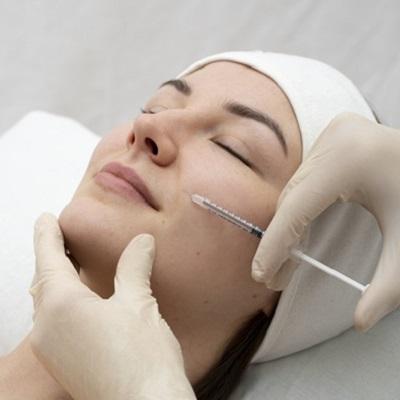
What Ingredients Are Used With Glutathione Injections?

Glutathione injections have become a topic of interest among people exploring antioxidant support, skin-care treatments, and wellness services. In Muscat and other parts of the region, people searching for the Best Glutathione Injections in Muscat may also wonder what is actually included in these treatments. The answer is not always the same because injectable formulations can differ according to the treatment provider, medical purpose, patient needs, and local regulations.
Glutathione itself is the primary ingredient. It is a naturally occurring antioxidant made from three amino acids: cysteine, glutamic acid, and glycine. The body produces glutathione naturally, where it participates in antioxidant defense and several cellular processes. Injectable glutathione delivers the compound directly into the body rather than relying on digestion and absorption through the gastrointestinal tract.
Some treatment protocols may use glutathione alone, while others may combine it with nutrients such as vitamin C or other ingredients. However, these combinations should not be assumed to be standard. A qualified healthcare professional should determine whether additional ingredients are appropriate for an individual.
What Is Glutathione and Why Is It Used in Injections?
Glutathione is often described as one of the body's important endogenous antioxidants. It helps protect cells from oxidative stress and is involved in processes related to the metabolism of certain substances in the body.
It consists of three amino acids and exists in different chemical forms, with reduced glutathione being the form commonly discussed in supplementation and injectable treatments. The body can recycle glutathione between oxidized and reduced states as part of its antioxidant system.
Glutathione injections are administered in clinical settings for specific purposes, although the exact indications and evidence can vary. Some people seek these treatments as part of wellness programs, while others are interested in their potential cosmetic effects.
It is important to distinguish established medical uses from claims made in aesthetic or wellness marketing. In particular, claims that injectable glutathione will dramatically lighten the skin, reverse aging, or treat a broad range of diseases should be approached cautiously. The available scientific evidence does not support every claim associated with glutathione injections.
Which Ingredients May Be Combined With Glutathione Injections?
The main ingredient in a glutathione injection is glutathione, but some protocols may include other nutrients. The exact formulation depends on the product and the treatment plan.
Vitamin C
Vitamin C is one of the ingredients sometimes associated with glutathione treatment protocols. It is another antioxidant that supports normal immune function, collagen production, and protection against oxidative stress.
Some practitioners combine vitamin C with glutathione because both substances participate in antioxidant processes. However, adding vitamin C does not automatically make an injection more effective, and the appropriate dose depends on the individual's circumstances.
Other Vitamins and Nutrients
Certain wellness protocols may combine glutathione with additional vitamins or nutrients. Examples can include B vitamins or other components used in intravenous or injectable nutrient therapies.
These ingredients are not universal components of glutathione injections. A treatment marketed as a glutathione injection may therefore differ considerably from another product offered elsewhere.
Patients should ask for the complete ingredient list before receiving an injection. Knowing the ingredients can help identify potential allergies, medication interactions, contraindications, or unnecessary additions.
Sterile Diluting or Supporting Ingredients
Injectable preparations can also contain pharmaceutical-grade ingredients used to prepare or stabilize the formulation. These may include sterile water or other appropriate excipients, depending on the specific product.
Such ingredients are not generally intended to provide an additional therapeutic effect. Their purpose can relate to preparing the medication for safe administration and maintaining its stability.
Why Do Some Treatments Combine Glutathione With Vitamin C?
The combination of glutathione and vitamin C receives considerable attention in cosmetic and wellness settings because both substances are associated with antioxidant activity.
Vitamin C is a water-soluble vitamin that the body needs for several normal functions. Glutathione, meanwhile, is an intracellular antioxidant involved in maintaining cellular redox balance. Because they have different biological roles, some protocols use them together.
However, a combination treatment should not automatically be considered superior to glutathione alone. The scientific evidence surrounding injectable glutathione for cosmetic purposes remains limited, and there is no universal formulation that is appropriate for everyone.
A healthcare professional may recommend one ingredient or a combination based on the individual's medical history, nutritional status, treatment goals, and risk factors. This individualized approach is more appropriate than choosing a combination solely because it is promoted as a premium or stronger option.
How Can Patients Evaluate the Best Glutathione Injections in Muscat?
People searching for the Best Glutathione Injections in Muscat should look beyond promotional claims and focus on treatment quality and safety.
The first consideration should be whether the treatment is medically appropriate. A qualified healthcare professional should review the individual's health history, current medications, allergies, previous reactions to injections, and treatment expectations.
The product itself also matters. Patients can ask which glutathione formulation is being used, where it comes from, how it is stored, and what other ingredients are included. Injectable products should be handled according to appropriate pharmaceutical and clinical standards.
It is also useful to ask whether the proposed treatment has a clear medical or evidence-based rationale. If a provider promises guaranteed skin whitening, permanent results, rapid anti-aging effects, or treatment of unrelated medical conditions, those claims deserve careful scrutiny.
The safest approach is to view glutathione injections as a medical treatment rather than simply a beauty product. Professional assessment, transparent ingredient information, proper administration, and realistic expectations are all important.
What Are the Potential Benefits and Limitations?
Glutathione's biological role as an antioxidant is well established, but that does not mean that injectable glutathione provides every benefit sometimes advertised online.
Some people pursue glutathione injections for antioxidant support or cosmetic purposes. Research has explored glutathione in relation to oxidative stress and skin pigmentation, but evidence for cosmetic skin-lightening benefits from injectable glutathione remains limited and does not establish a universally effective or risk-free treatment.
The body's glutathione levels are influenced by nutrition, metabolism, health conditions, and other factors. An injection also does not replace a balanced diet, adequate sleep, physical activity, sun protection, or appropriate treatment for an underlying medical condition.
Results can vary considerably between individuals. Some people may notice no meaningful cosmetic change, while others may report changes over time. A responsible treatment plan should therefore avoid promising identical results for every patient.
Are Glutathione Injections Safe?
Safety depends on several factors, including the product used, dose, route of administration, sterility, patient health, and clinical supervision.
Potential adverse effects may include injection-site discomfort or other reactions. More serious problems can occur with improperly prepared or administered injectable products. People with certain medical conditions, allergies, or medication requirements may need additional evaluation before treatment.
Another important consideration is product quality. Injectable medicines require greater attention to sterility and handling than many oral supplements. Patients should avoid obtaining injectable glutathione from unverified sources or attempting to administer it without professional supervision.
Anyone experiencing unusual symptoms after an injection should seek medical advice promptly. Symptoms such as significant difficulty breathing, facial swelling, severe dizziness, or other signs of a serious allergic reaction require urgent medical attention.
Pregnant or breastfeeding individuals, people with chronic illnesses, and those taking regular medications should discuss glutathione injections with a qualified healthcare professional before treatment.
What Should Someone Ask Before Getting a Glutathione Injection?
Before choosing a treatment, patients can ask several straightforward questions.
They can ask what type and dose of glutathione will be administered, whether vitamin C or another ingredient is included, and why that combination has been recommended. It is also reasonable to ask about possible side effects, contraindications, expected results, and the number of treatments being proposed.
Patients should also clarify whether the treatment is being recommended for a specific medical reason or primarily for cosmetic purposes. This distinction can help set realistic expectations.
For people comparing options for the Best Glutathione Injections in Muscat, transparency is a useful indicator of quality. A reputable healthcare setting should be willing to explain the formulation, administration method, expected benefits, limitations, and potential risks without making exaggerated promises.
Frequently Asked Questions
1. What is the main ingredient in a glutathione injection?
The main active ingredient is glutathione, usually referring to a pharmaceutical preparation of glutathione suitable for injection. The exact formulation and concentration can vary between products.
2. Is vitamin C always included with glutathione injections?
No. Vitamin C may be included in some treatment protocols, but it is not a universal ingredient. Patients should ask for the exact formulation before receiving treatment.
3. Can glutathione injections contain other vitamins?
Some wellness or nutrient protocols may combine glutathione with other vitamins, including certain B vitamins. However, additional ingredients depend on the specific treatment and should only be used when medically appropriate.
4. Are glutathione injections effective for skin whitening?
Evidence regarding injectable glutathione for skin lightening is limited. Results are not guaranteed, and claims of dramatic or permanent whitening should be treated cautiously. A healthcare professional can explain realistic expectations and alternative approaches.
5. How can someone choose the Best Glutathione Injections in Muscat?
The focus should be on medical suitability, product quality, transparent ingredients, appropriate storage and handling, qualified administration, and realistic treatment claims. Cost alone should not determine the choice.
6. Should glutathione injections be taken without medical advice?
No. Because glutathione is administered by injection, professional assessment and appropriate administration are important. A qualified healthcare professional can determine whether the treatment is suitable and whether any additional ingredients should be included.
Read More About Glutathione Injections: https://www.enjoyholistic.com/Group/Topic/4548/How-Soon-Can-You-See-Results-From-Glutathione-Injections-


