








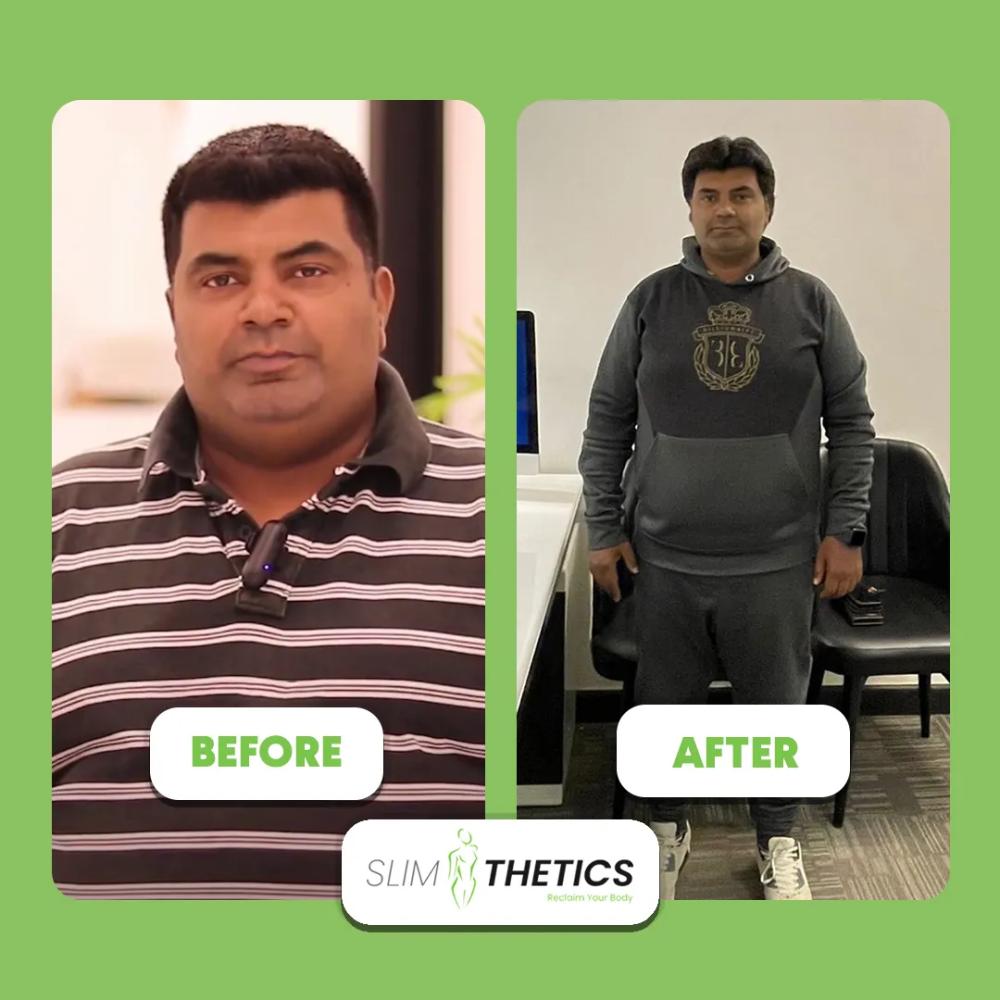
Is Sleeve Gastrectomy a Permanent Weight Loss Solution?

Obesity is a long-term health condition that can affect mobility, confidence, metabolism, and overall quality of life. For people who have struggled to achieve sustainable weight loss through diet, exercise, and other methods, bariatric surgery may provide a medically supervised option for significant and lasting weight reduction. One of the most widely performed procedures is sleeve gastrectomy.
For individuals considering Sleeve Gastrectomy in Islamabad, understanding whether the procedure provides permanent weight loss is an important part of making an informed decision. Sleeve gastrectomy can produce substantial long-term weight loss, but surgery alone does not guarantee that weight will never return. Sustainable results depend on dietary habits, physical activity, follow-up care, and the patient's ability to maintain healthy lifestyle changes.
What Is Sleeve Gastrectomy?
Sleeve gastrectomy is a type of bariatric surgery designed to help people with obesity lose weight by reducing the size of the stomach.
How Does Sleeve Gastrectomy Work?
- During the procedure, a large portion of the stomach is surgically removed.
- The remaining stomach is shaped into a narrow, tube-like structure.
- The smaller stomach can hold considerably less food than before.
- Patients generally feel full after eating smaller portions.
- The procedure also affects hormones involved in appetite and hunger, which can help reduce food cravings and support weight management.
Unlike gastric bypass, sleeve gastrectomy does not reroute the intestines. This makes it primarily a restrictive and hormonal weight-loss procedure rather than an intestinal malabsorptive procedure.
Is Sleeve Gastrectomy a Permanent Procedure?
Yes, sleeve gastrectomy is generally considered a permanent surgical procedure because the removed portion of the stomach is not restored.
Does Permanent Surgery Mean Permanent Weight Loss?
Not necessarily.
- The anatomical changes from sleeve gastrectomy are intended to be permanent.
- However, weight loss depends on how the patient adapts to the changes.
- Some patients maintain most of their weight loss for many years.
- Others may experience a weight-loss plateau or regain some weight over time.
- Long-term results are strongly influenced by nutrition, activity, eating behavior, and medical follow-up.
Therefore, it is more accurate to describe sleeve gastrectomy as a long-term tool for weight management rather than a guaranteed permanent cure for obesity.
How Much Weight Can You Lose After Sleeve Gastrectomy?
Weight loss varies from person to person. Factors such as starting weight, age, metabolism, medical conditions, dietary habits, and physical activity can influence the final result.
Typical Weight Loss Pattern
- Weight loss is usually fastest during the first several months.
- Patients often experience noticeable changes during the first year.
- Weight loss may slow as the body approaches a new stable weight.
- Long-term maintenance becomes increasingly important after the initial weight-loss phase.
- Individual results should always be discussed with a qualified bariatric surgeon.
Patients should avoid comparing their progress with another person's results because every body responds differently to surgery.
What Happens During Sleeve Gastrectomy Surgery?
Sleeve gastrectomy is commonly performed using minimally invasive laparoscopic techniques.
The Basic Procedure
- The patient receives general anesthesia.
- The surgeon makes small abdominal incisions to access the stomach.
- Surgical instruments and a camera are inserted through these openings.
- A significant portion of the stomach is removed.
- The remaining stomach is formed into a narrow sleeve.
- The surgeon checks the staple line before completing the procedure.
- The incisions are closed, and the patient is monitored during recovery.
The exact surgical approach and hospital stay can vary depending on the patient's health, surgical technique, and clinical circumstances.
Who May Be a Candidate for Sleeve Gastrectomy?
Sleeve gastrectomy is not suitable for everyone who wants to lose weight. Bariatric surgery is generally considered for people with obesity who meet established medical criteria.
Factors Your Surgeon May Consider
- Body mass index (BMI)
- Obesity-related medical conditions
- Previous attempts at non-surgical weight management
- Eating patterns and lifestyle
- Overall physical health
- Psychological readiness
- Ability to follow post-surgery dietary and lifestyle recommendations
- Understanding of the benefits and potential risks
A comprehensive assessment is important before deciding whether sleeve gastrectomy is appropriate.
Can Weight Return After Sleeve Gastrectomy?
Some degree of weight regain can occur after bariatric surgery. This does not necessarily mean that the surgery has failed.
Common Reasons for Weight Regain
- Gradually increasing portion sizes
- Frequent consumption of high-calorie foods or drinks
- Reduced physical activity
- Emotional or uncontrolled eating
- Lack of regular follow-up
- Changes in appetite and eating behavior
- Metabolic adaptation
- Stretching or enlargement of the remaining stomach over time in some cases
Early identification of weight regain can make it easier to address the underlying cause.
How Can You Maintain Weight Loss After Sleeve Gastrectomy?
The most successful long-term outcomes usually involve a combination of surgery and consistent lifestyle management.
Follow a Balanced Diet
- Prioritize protein-rich foods.
- Eat slowly and chew food thoroughly.
- Follow portion recommendations provided by your bariatric team.
- Include nutrient-dense vegetables and other recommended foods.
- Limit highly processed and calorie-dense foods.
- Avoid excessive sugary beverages.
A post-surgery diet should be introduced gradually according to your surgeon's and dietitian's recommendations.
Stay Physically Active
Physical activity plays an important role in maintaining muscle mass, improving fitness, and supporting long-term weight management.
- Begin walking as recommended after surgery.
- Gradually increase daily activity.
- Introduce strength training when medically appropriate.
- Build a consistent exercise routine rather than relying on occasional intense workouts.
- Choose activities that you can realistically maintain over the long term.
What Is the Sleeve Gastrectomy Diet Like?
The diet after surgery generally progresses through several stages as the stomach heals.
Common Dietary Stages
- Clear liquids may be introduced initially.
- Full liquids may follow according to the surgical team's instructions.
- Pureed foods are gradually introduced.
- Soft foods are added as tolerated.
- Regular textured foods are introduced progressively.
- Small, nutrient-dense meals become part of the long-term eating pattern.
The exact timeline varies between patients and should be determined by the bariatric care team.
Why Are Vitamins and Supplements Important?
Because patients eat considerably smaller amounts after sleeve gastrectomy, getting sufficient nutrients can become challenging.
Common Nutritional Considerations
- Bariatric multivitamins may be recommended.
- Protein intake is important.
- Iron, vitamin B12, calcium, and vitamin D may require monitoring.
- Blood tests can help identify nutritional deficiencies.
- Supplements should be taken according to the recommendations of your healthcare provider.
Regular monitoring can help reduce the risk of nutritional problems after surgery.
What Are the Benefits of Sleeve Gastrectomy?
The primary objective of sleeve gastrectomy is meaningful and sustained weight reduction, but the potential benefits can extend beyond the number on the weighing scale.
Potential Health Benefits
- Significant weight loss
- Improved blood sugar control in some patients
- Better management of high blood pressure
- Reduced strain on joints
- Improved mobility
- Potential improvement in sleep-related breathing problems
- Greater ability to participate in physical activities
- Improved quality of life
The degree of improvement varies depending on the patient's health and individual circumstances.
What Are the Possible Risks?
Like any major surgery, sleeve gastrectomy carries potential risks and complications. A qualified surgical team should explain these before treatment.
Possible Short-Term Risks
- Bleeding
- Infection
- Blood clots
- Anesthesia-related complications
- Leakage from the staple line
- Nausea or vomiting
- Dehydration
Potential Long-Term Concerns
- Acid reflux or worsening of existing reflux
- Nutritional deficiencies
- Gallstones associated with rapid weight loss
- Weight regain
- Changes in eating tolerance
Prompt medical attention is important if unusual or severe symptoms develop after surgery.
Sleeve Gastrectomy vs. Gastric Bypass
Both procedures are established bariatric operations, but they work differently.
Sleeve Gastrectomy
- Removes a large portion of the stomach.
- Does not bypass the intestines.
- Reduces stomach capacity.
- Influences appetite-related hormones.
- Generally involves fewer anatomical changes than gastric bypass.
Gastric Bypass
- Creates a smaller stomach pouch.
- Reroutes part of the digestive tract.
- Produces restrictive and malabsorptive effects.
- Can be particularly useful in certain patients and medical circumstances.
The better option depends on factors such as BMI, medical history, reflux, diabetes, previous procedures, and individual treatment goals.
How to Choose a Sleeve Gastrectomy Surgeon in Islamabad
Choosing the right surgical team is an important part of the treatment journey.
Look for:
- Relevant bariatric surgery experience
- Appropriate surgical credentials
- A hospital with suitable surgical and emergency facilities
- Comprehensive pre-operative assessment
- Qualified nutrition and follow-up support
- Transparent discussion of risks and expected outcomes
- Long-term post-operative monitoring
Patients should be cautious about choosing a clinic based solely on a low price or guaranteed weight-loss claims.
Frequently Asked Questions About Sleeve Gastrectomy
Is sleeve gastrectomy permanent?
The portion of the stomach removed during sleeve gastrectomy is permanently removed. However, maintaining weight loss requires long-term lifestyle management.
Can the stomach stretch after sleeve gastrectomy?
The remaining stomach can change in capacity over time, particularly when patients consistently consume larger portions. Following dietary recommendations can help support the intended benefits of surgery.
Will I regain weight after sleeve gastrectomy?
Not everyone experiences significant weight regain. However, some patients may regain a portion of their lost weight. Nutrition, physical activity, eating behavior, and follow-up care can influence long-term outcomes.
How long does sleeve gastrectomy recovery take?
Recovery varies by individual. Many patients gradually return to normal daily activities within a few weeks, while complete adaptation to the new eating pattern takes longer.
Is sleeve gastrectomy better than weight loss injections?
Neither option is universally better. Weight loss injections and bariatric surgery work differently and may be appropriate for different patients. A medical assessment can help determine which approach is suitable.
Is Sleeve Gastrectomy a Permanent Weight Loss Solution?
Sleeve gastrectomy can be a powerful long-term treatment for obesity, but it should not be viewed as a standalone solution. The surgical reduction of the stomach is permanent, while the maintenance of weight loss requires ongoing commitment.
Long-Term Success Depends On:
- Following your recommended nutrition plan
- Eating appropriate portions
- Meeting protein and nutritional requirements
- Exercising regularly
- Attending scheduled follow-up appointments
- Taking prescribed supplements
- Addressing emotional or behavioral eating concerns
- Seeking professional guidance if weight regain begins
For people considering Sleeve Gastrectomy in Islamabad, the goal should not simply be rapid weight loss. The broader objective is to establish healthier habits that can support sustainable weight management and better overall health.
Sleeve Gastrectomy in Islamabad at Slimthetics Clinic
Choosing a bariatric surgery provider is an important decision, particularly when your goal is long-term weight management rather than temporary weight loss. Slimthetics Clinic provides a patient-focused approach to bariatric care, helping eligible patients understand their surgical options, prepare for treatment, and receive appropriate guidance throughout their weight-loss journey.
Why Consider Slimthetics Clinic?
- Professional bariatric surgery consultation
- Individualized assessment before treatment
- Guidance regarding suitable weight-loss procedures
- Post-operative dietary and lifestyle guidance
- Focus on sustainable weight management
- Support throughout the recovery and follow-up process
If you are exploring Sleeve Gastrectomy in Islamabad, a consultation with the Slimthetics team can help you understand whether this procedure fits your health needs, weight-loss goals, and long-term expectations. The right decision begins with an individualized medical assessment—not a one-size-fits-all promise.


