








When Can You Exercise After Laser Tattoo Removal?

If you are considering Laser Tattoo Removal in Dubai, you may wonder how soon you can return to your normal workout routine. Exercise itself does not stop the tattoo-removal process, but sweating, friction, heat, and exposure to pools or saunas can irritate recently treated skin. In most cases, the safest approach is to give the treated area time to settle before returning to strenuous exercise, while following the specific aftercare instructions provided by your treatment provider.
Why Should You Avoid Exercise After Laser Tattoo Removal?
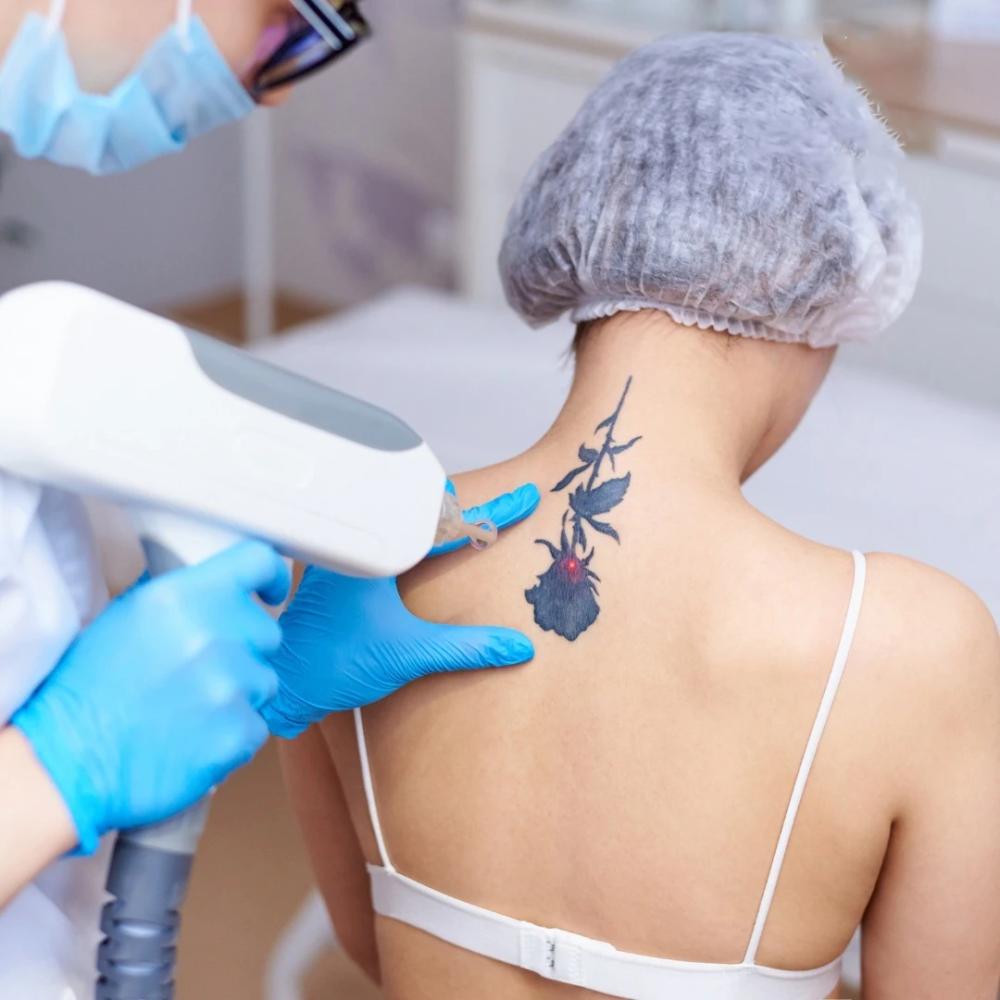
Laser tattoo removal works by delivering laser energy into tattoo pigment, causing the ink particles to break down so the body can gradually clear them. After treatment, the skin can be temporarily red, swollen, tender, or sensitive, and some people develop blistering or crusting as the area heals.
During exercise, increased sweating and repeated movement can create conditions that are less comfortable for freshly treated skin. Tight clothing can also rub against the area, potentially causing unnecessary irritation.
For this reason, post-treatment exercise restrictions are mainly about protecting the healing skin, rather than preventing the laser from working. Avoiding irritation can help reduce the risk of complications while the treated area recovers.
How Long Should You Wait Before Exercising?
There is no single exercise timeline that applies to everyone. Aftercare recommendations vary depending on the laser treatment, tattoo location, skin response, and whether redness, swelling, blisters, or scabs are present.
Some NHS laser-treatment guidance recommends avoiding strenuous exercise for around seven days, while other tattoo-removal guidance advises avoiding strenuous physical activity for at least a couple of days.
Therefore, a practical approach is:
- First 24–48 hours: Avoid strenuous workouts and activities that cause heavy sweating.
- Following several days: Resume activity gradually if the skin is comfortable and healing normally.
- If blistering or scabbing occurs: Wait until the treated area has healed sufficiently before returning to intense exercise.
- Swimming and heat-based activities: Avoid them longer than ordinary exercise because pools, saunas, steam rooms, and hot environments can interfere with comfortable healing.
Because individual aftercare instructions can differ, the timeline recommended by your laser-treatment provider should take priority.
Can You Do Light Exercise After Tattoo Removal?
Light activity may be easier to tolerate than intense workouts, particularly once the initial irritation has settled. However, even gentle exercise should be avoided if it causes excessive sweating, rubbing, pressure, or stretching around the treated tattoo.
For example, if the tattoo is on your arm, an easy walk may be less irritating than weightlifting that repeatedly moves or contacts the treated area. Likewise, if the tattoo is on your leg, choose activities that do not create excessive friction from tight clothing or equipment.
Before returning to exercise, check the skin for signs that it is still actively irritated. Redness, swelling, tenderness, blistering, or open areas are reasons to be more cautious.
Which Workouts Should You Avoid After Laser Tattoo Removal?
Not all forms of exercise create the same level of stress on treated skin. High-intensity activities are more likely to produce significant sweating and friction, which is why they are commonly restricted during the early healing period.
Activities to postpone may include:
- High-intensity cardio: Running, HIIT, spinning, and similar workouts can cause heavy sweating.
- Heavy weight training: Certain exercises can stretch or repeatedly rub the treated area.
- Contact sports: Physical contact may bump or scrape sensitive skin.
- Outdoor workouts: Sun exposure can be an additional concern for recently treated skin.
- Swimming: Pools should generally be avoided until the treated skin has adequately healed.
- Saunas and steam rooms: Heat and sweating can aggravate recently treated skin.
Leeds Teaching Hospitals NHS Trust specifically advises avoiding strenuous exercise, swimming, saunas, steam rooms, and hot baths or showers for seven days following certain laser treatments.
What About Swimming, Saunas, and Heavy Sweating?
Swimming deserves particular attention after laser tattoo removal because the treated area may be vulnerable while it heals. NHS tattoo-removal guidance recommends avoiding swimming and saunas until scabs have fallen away, while another laser aftercare guide recommends avoiding swimming pools and saunas for one week.
Saunas and steam rooms should also be postponed because they combine heat and sweating. If the treated area is already red or irritated, exposing it to excessive heat may make discomfort worse.
Rather than focusing only on the number of days, look at the condition of the skin. Returning to these activities is generally more appropriate once the area has healed and there is no active blistering, weeping, or significant crusting.
How Can You Exercise Safely After Tattoo Removal?
Once you have been cleared to resume physical activity, gradually returning to your normal routine can be more comfortable than immediately starting an intense workout.
Start with lower-intensity exercise and monitor how the treated area responds. If sweating or movement causes stinging, increased redness, or discomfort, stop and give the skin additional time to recover.
Loose, breathable clothing can also help minimize rubbing. Avoid equipment or clothing that presses directly against the treated tattoo.
After exercising, follow your provider's cleansing instructions rather than aggressively scrubbing the area. Laser-treated skin should be handled gently, particularly when it is still sensitive or developing scabs.
Sun protection is also important during the tattoo-removal process. Laser-treated skin can be sensitive to sunlight, and Leeds Teaching Hospitals recommends strong sun protection and minimizing sun exposure following treatment.
What If the Skin Is Still Red or Blistered?
The appearance of the treated area can help determine whether it is ready for more strenuous activity. Redness and swelling can occur after laser treatment, and blistering or crusting may develop during the healing process.
If you still have blisters, significant swelling, open skin, weeping, or pronounced tenderness, avoid intense exercise and contact your treatment provider for personalized advice.
Do not pick, scratch, or remove scabs. NHS aftercare guidance specifically warns against disturbing scabs and blisters because doing so may interfere with healing and increase the risk of unwanted skin changes.
Persistent or worsening symptoms should also be assessed rather than treated as a normal part of recovery.
Exercise and the Overall Tattoo Removal Timeline
It is important to understand that being able to exercise again does not mean the tattoo has finished healing or that the removal process is complete. Laser tattoo removal typically requires multiple sessions, and the body continues clearing fragmented pigment between treatments. Cleveland Clinic notes that optimal tattoo-removal results may require multiple treatments and that recovery varies depending on the procedure.
This means you may return to exercise relatively soon while the tattoo continues changing over the following weeks. Your workout schedule and tattoo-removal schedule are therefore related mainly through skin recovery and aftercare, not because exercise directly removes the pigment.
Allowing the skin to recover between sessions is an important part of maintaining a consistent treatment course.
Final Takeaway
So, when can you exercise after laser tattoo removal? In general, avoid strenuous exercise for at least the initial recovery period, often several days, and follow your provider's instructions if they recommend a longer break. Light activity may be possible sooner when the treated skin is comfortable, but swimming, saunas, heavy sweating, and high-impact workouts should wait until the area has adequately healed.
If you are planning Laser Tattoo Removal, protecting the treated skin after every session can make the recovery period more comfortable and help you stay on track with your treatment plan.


