








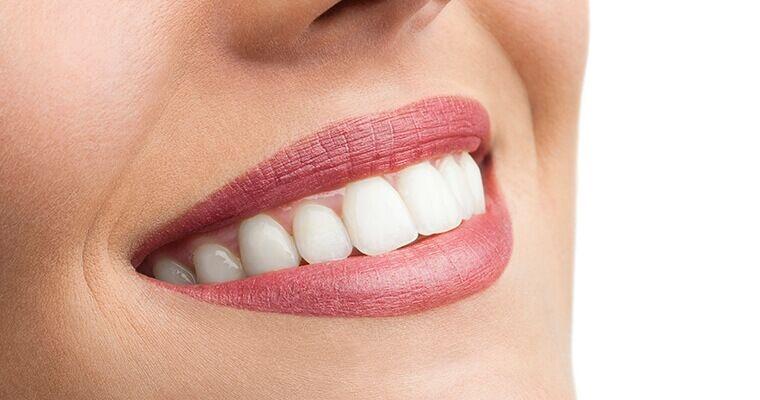
Teeth Whitening: The Secret to a Brighter, Bolder Smile

A bright smile can make a powerful first impression, but everyday habits can gradually leave teeth looking dull or stained. Teeth Whitening in Dubai is a popular cosmetic dental option for people who want to improve the appearance of discolored teeth and achieve a fresher-looking smile. From coffee and tea stains to age-related discoloration, professional whitening can help restore a brighter appearance while keeping the process controlled and personalized.
What Causes Teeth to Lose Their Brightness?
Teeth naturally change color over time. Even with regular brushing and flossing, certain foods, drinks, lifestyle habits, and the aging process can contribute to discoloration.
Some stains develop on the outer enamel surface, while others occur deeper within the tooth. Understanding the type of discoloration is important because different stains can respond differently to whitening.
Common causes of tooth discoloration include:
- Coffee, tea, cola, and other dark beverages
- Highly pigmented foods and sauces
- Tobacco use
- Poor or inconsistent oral hygiene
- Natural aging and enamel changes
- Certain medications or dental conditions
- Previous dental trauma
Surface stains may sometimes be reduced through professional cleaning or whitening toothpaste. However, deeper discoloration generally requires a peroxide-based whitening approach to produce a noticeable change. The American Dental Association notes that hydrogen peroxide and carbamide peroxide are commonly used whitening ingredients because they can chemically break down compounds responsible for darker tooth coloration.
How Professional Teeth Whitening Works
Professional whitening is more than simply making teeth appear cleaner. The process uses carefully selected whitening agents to target discoloration within natural tooth structure.
Hydrogen peroxide and carbamide peroxide are two common ingredients used in dental bleaching. They work through oxidation, helping break down colored molecules that contribute to tooth discoloration.
Depending on your dental condition and desired outcome, a dentist may recommend an in-office procedure or a professionally supervised at-home whitening system. In-office whitening generally uses stronger formulations under professional supervision, while dentist-provided take-home trays allow gradual whitening over a longer period.
This makes professional teeth whitening different from simply brushing with a whitening toothpaste. Whitening toothpastes primarily help remove surface stains and generally have a more limited effect on the intrinsic color of teeth.
A dental examination before whitening can also identify issues such as cavities, gum problems, significant sensitivity, or restorations that may affect the treatment plan.
Teeth Whitening Options to Consider
There is no single whitening method that works identically for everyone. The best option depends on the type of staining, tooth sensitivity, dental health, and the result you want.
In-Office Whitening
In-office whitening is performed by a dental professional and is designed for people looking for a more immediate cosmetic improvement. Protective measures are used to minimize contact between whitening products and the gums.
Because the treatment is professionally monitored, the dentist can adjust the process according to your individual needs. This can make it a convenient choice when you want visible improvement without relying solely on over-the-counter products.
Dentist-Supervised Take-Home Whitening
Take-home whitening usually involves custom-fitted trays and professional whitening gel. The treatment takes longer than an in-office procedure, but it gives patients greater flexibility to whiten gradually according to their dentist's instructions.
Custom trays can also help keep the whitening gel positioned more precisely against the teeth and reduce unnecessary contact with the gums.
Over-the-Counter Whitening Products
Whitening strips, gels, and whitening toothpastes are widely available. Some can be effective, particularly for surface staining, but their results and strength can vary.
The ADA notes that whitening strips have clinical evidence supporting their effectiveness, while whitening toothpastes are primarily useful for removing or reducing extrinsic surface stains.
For anyone with sensitive teeth or existing dental concerns, professional guidance can help prevent inappropriate or excessive whitening.
Is Teeth Whitening Safe for Your Smile?
When appropriately selected and used according to professional or product instructions, teeth whitening is generally considered a safe cosmetic dental procedure. However, temporary tooth sensitivity and gum irritation are among the most common side effects.
Sensitivity may become noticeable during or shortly after whitening and is usually temporary. The likelihood can depend on factors such as the concentration of the whitening agent, treatment duration, and the individual's existing sensitivity.
Professional evaluation is particularly useful if you already experience sensitive teeth. A dentist can determine whether whitening is appropriate and recommend a suitable approach.
It is also important to remember that whitening is intended for natural teeth. Tooth-colored fillings, crowns, veneers, and other restorations do not whiten in the same way as natural tooth enamel. This means whitening existing teeth can sometimes make a restoration look different in color.
For this reason, discussing existing dental work with your dentist before treatment is an important part of achieving a balanced-looking smile.
How to Maintain a Brighter Smile After Whitening
Whitening does not permanently prevent new stains from developing. Everyday habits can gradually affect the color of your teeth again, particularly if you frequently consume highly pigmented foods and beverages.
To help maintain your results:
- Brush twice daily with a fluoride toothpaste and clean between your teeth regularly.
- Limit frequent consumption of coffee, tea, cola, and other strongly pigmented drinks.
- Rinse your mouth with water after consuming staining foods or beverages.
- Avoid tobacco products, which can contribute significantly to tooth discoloration.
- Attend regular dental checkups and professional cleanings.
- Follow your dentist's recommendations before repeating a whitening treatment.
Good oral hygiene is important because whitening is a cosmetic procedure, not a substitute for treating cavities, gum disease, plaque buildup, or other dental problems.
Avoid excessive or repeated whitening simply because you want an increasingly brighter shade. Overuse can increase the risk of sensitivity and irritation, while inappropriate products or techniques may negatively affect oral tissues.
Who Can Benefit From Teeth Whitening?
Teeth whitening may be suitable for adults who have healthy natural teeth and want to improve the appearance of common stains or discoloration. However, suitability depends on the condition and cause of the discoloration.
A consultation can help determine whether whitening is likely to produce the result you expect. Some intrinsic discolorations can be more challenging to treat, and certain dental conditions may need attention before cosmetic whitening is considered.
It is also worth having realistic expectations. Whitening can brighten natural teeth, but it does not necessarily make every tooth perfectly white. The final shade depends on your natural tooth color, the type of staining, and the whitening method used.
People with crowns, veneers, fillings, or other tooth-colored restorations should also discuss their expectations beforehand because these materials generally do not change color during conventional external whitening.
Why Professional Whitening Can Make a Difference
A brighter smile is not simply about choosing the strongest whitening product available. Effective treatment involves understanding why the teeth are discolored and selecting a method that balances the desired result with dental safety.
With Teeth Whitening in Dubai, a professional assessment can help identify the type of staining and determine whether in-office whitening, supervised take-home whitening, or another cosmetic approach is more appropriate.
Professional guidance can also help reduce unnecessary exposure to whitening agents. Rather than repeatedly experimenting with different products, patients can receive a treatment plan based on their teeth, sensitivity, existing restorations, and cosmetic goals.
The result is a more informed approach to achieving a brighter smile while keeping oral health at the center of the process.
Conclusion
A brighter smile can enhance your overall appearance and give you greater confidence, especially when discoloration has developed from everyday habits or natural aging. The key is choosing an approach that addresses your specific type of staining rather than relying on aggressive or unproven DIY methods.
For people considering Teeth Whitening Treatment, a dental consultation can help establish realistic expectations, identify potential sensitivity concerns, and determine the most appropriate whitening method. With professional guidance and good oral hygiene habits, you can work toward a cleaner, brighter-looking smile while protecting your long-term dental health.


