









Is Thread Lift the Answer to Your Firmer Skin Goals?

When skin begins to look less firm, many people want noticeable lifting without immediately choosing surgery. Thread Lift in Dubai has become a popular minimally invasive option for people seeking a more defined and refreshed appearance with relatively limited downtime. But is it actually the right solution for your skin goals? Understanding how a thread lift works, what it can realistically improve, and who may benefit most can help you make a more informed decision.
What Is a Thread Lift and How Does It Work?
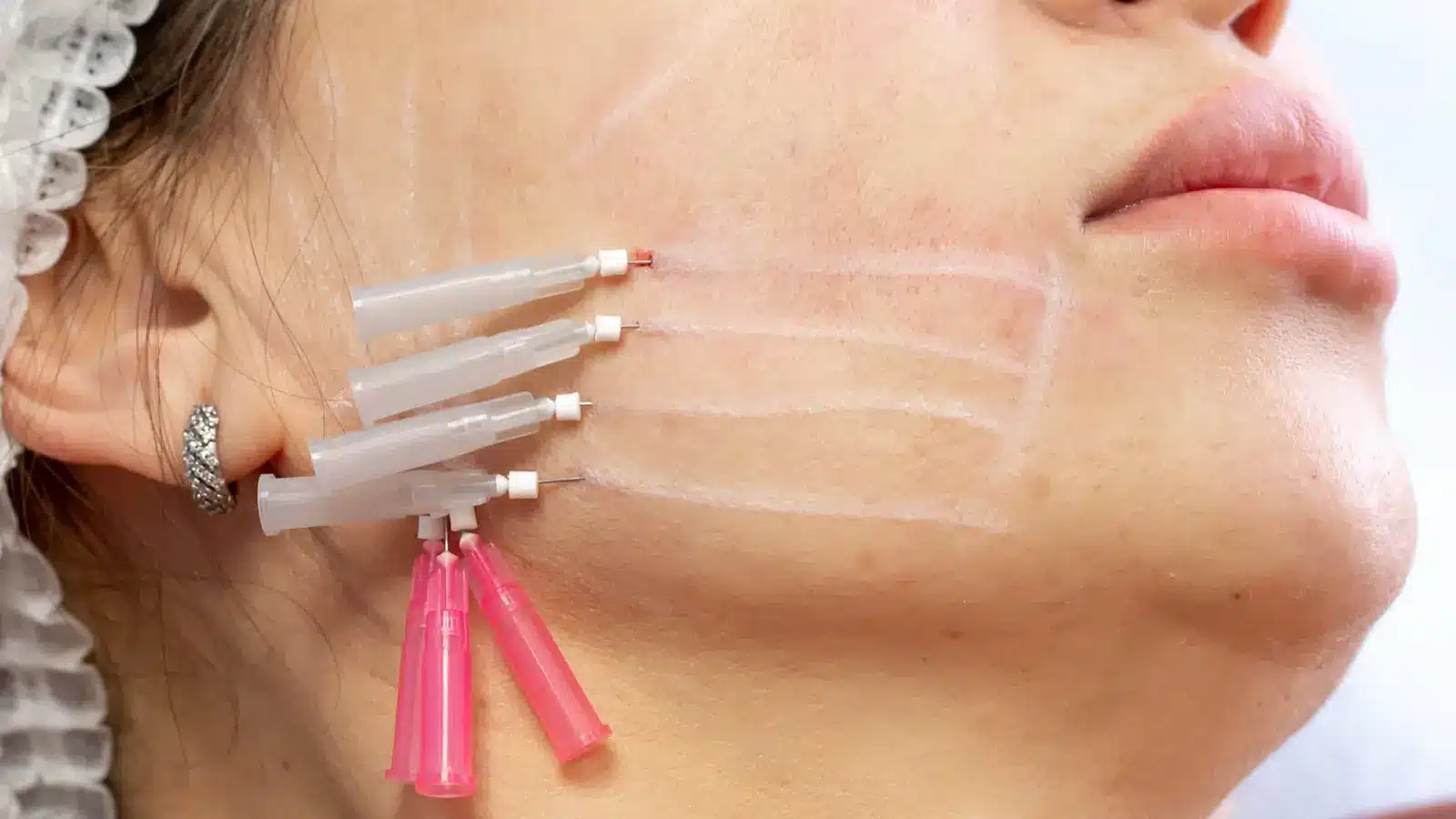
A thread lift is a minimally invasive cosmetic procedure designed to gently reposition and support areas of skin that have started to sag. During the treatment, specially designed dissolvable threads are placed beneath the skin using a fine needle or cannula. The threads provide a subtle lifting effect while also encouraging the body's natural collagen response over time.
Unlike a traditional facelift, a thread lift does not involve large incisions or the surgical removal of excess skin. Instead, it focuses on creating a more lifted contour while maintaining natural-looking facial movement.
The procedure may be considered for areas such as the cheeks, jawline, lower face, and brows, depending on the individual's anatomy and treatment goals. The exact placement and number of threads vary from person to person.
Can a Thread Lift Really Make Skin Look Firmer?
One of the main reasons people consider a thread lift is the desire for firmer-looking skin without undergoing extensive surgery. The threads can provide an immediate structural lifting effect, while collagen stimulation may contribute to gradual improvements in skin support and texture.
However, it is important to keep expectations realistic. A thread lift is generally better suited to mild to moderate skin laxity rather than significant sagging or large amounts of excess skin.
Potential improvements may include:
- A more defined jawline
- Subtle lifting of sagging cheeks
- Improved facial contours
- A refreshed appearance around selected areas
- Gradual improvement in skin firmness
- Support for areas affected by early signs of aging
The outcome depends on factors such as skin quality, age, degree of laxity, facial structure, thread type, and the technique used by the qualified practitioner.
Who May Benefit From Thread Lift Treatment?
A thread lift may appeal to adults who are beginning to notice changes in facial firmness but are not ready for, or do not need, surgical lifting. It can be particularly relevant when early sagging affects facial contours but the skin still has reasonable elasticity.
People considering non-surgical skin tightening often appreciate the combination of structural support and collagen stimulation. Nevertheless, suitability should be determined through an individual assessment rather than based solely on age or a photograph.
A practitioner may evaluate:
- The amount and location of skin laxity.
- Skin thickness and elasticity.
- Facial proportions and natural contours.
- Previous cosmetic treatments or procedures.
- Overall expectations and desired degree of lifting.
If substantial loose skin is present, another treatment may provide a more appropriate result. A consultation can help distinguish between concerns that a thread lift can realistically address and those that may require a different approach.
Thread Lift vs. Other Skin-Firming Options
There are several approaches to improving firmness, and each works differently. A thread lift physically supports selected tissues, while other treatments may rely primarily on heat, energy, injectable products, or collagen stimulation.
For example, collagen stimulation treatments can gradually improve skin quality but may not provide the same immediate mechanical lifting effect associated with threads. Energy-based procedures can also target laxity and texture, but their suitability depends on the patient's skin condition and treatment goals.
A thread lift may therefore be appealing when the primary objective is subtle repositioning and contour enhancement rather than simply improving surface texture.
It is also worth remembering that "non-surgical" does not mean risk-free. Thread placement is still a medical procedure, so proper technique, sterile conditions, appropriate patient selection, and professional aftercare are important factors in achieving a safe and satisfactory outcome.
What Should You Expect During Recovery?
One advantage of a thread lift is that recovery is typically shorter than that associated with surgical facial lifting. However, temporary swelling, bruising, tenderness, tightness, or mild asymmetry can occur after treatment.
These effects usually improve as the treated area settles. Individual recovery varies, so patients should follow the specific aftercare instructions provided by their practitioner.
Depending on the treatment area and technique, patients may be advised to temporarily limit activities that place pressure or excessive movement on the treated region. Sleeping position, facial massage, strenuous exercise, and certain skincare practices may also need to be adjusted for a short period.
Following aftercare recommendations carefully can help support proper healing and reduce unnecessary irritation.
How Long Can the Results Last?
A thread lift is not considered a permanent alternative to a facelift. The threads gradually dissolve, while the collagen response they stimulate can contribute to longer-lasting improvements in skin support.
How long the visible effect lasts differs between individuals. Factors such as age, lifestyle, skin quality, the extent of laxity, thread material, and the body's natural aging process can all influence longevity.
Results also tend to be subtle rather than dramatically transformative. The goal is often to create a refreshed and firmer appearance while preserving the individual's natural facial character.
For someone whose skin is only beginning to lose firmness, this approach may offer a useful middle ground between topical skincare and more invasive surgery.
Is Thread Lift the Right Choice for Your Skin Goals?
The answer depends largely on what "firmer skin" means to you. If you want a modest lift, improved definition, and a minimally invasive approach, a thread lift may be worth discussing with a qualified professional.
On the other hand, people with advanced skin laxity or significant excess skin may find that a thread lift cannot deliver the degree of correction they expect. Choosing treatment based on realistic goals is therefore more important than following a trend.
A professional consultation should focus on your individual facial structure, skin condition, degree of laxity, and desired outcome. This allows the practitioner to determine whether a thread lift is appropriate or whether another treatment may better match your expectations.
Conclusion
For people seeking a subtle improvement in firmness without traditional facial surgery, a thread lift can be an appealing option. It combines mechanical support with the potential for collagen-related improvements, making it particularly relevant for mild to moderate skin laxity.
However, it is not a universal solution for every degree of sagging. If you are considering a Thread Lift Treatment, a personalized consultation with a qualified practitioner can help you understand what results are realistic for your skin and whether this minimally invasive approach aligns with your goals.


