








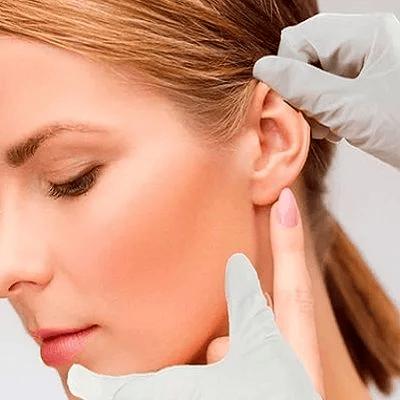
Ear Reshaping Consultation: What Questions Should You Ask?

Choosing to explore ear reshaping is a personal decision, and a consultation is one of the most valuable steps in the process. Whether someone is concerned about prominent ears, unevenness, an unusual ear shape, or changes caused by an injury, a consultation provides an opportunity to understand the available options and decide whether treatment is appropriate.
For people researching Ear Reshaping in Muscat, knowing what to ask during a consultation can make the conversation more productive. A good consultation is not simply about hearing whether a procedure is possible. It is also an opportunity to understand the recommended technique, expected results, recovery process, potential risks, and whether the proposed approach matches the individual's goals.
Rather than focusing only on appearance, a well-informed consultation should cover the full treatment journey. The following questions can help someone prepare and make a more confident decision.
Why Is an Ear Reshaping Consultation Important?
An ear reshaping consultation allows the treating medical professional to evaluate the individual's ear structure and understand what changes are being considered. Every person's ears have a different shape, cartilage structure, degree of prominence, and level of symmetry. Because of these differences, treatment cannot be approached in exactly the same way for everyone.
During the consultation, the ears may be examined from several angles. The individual's medical history, previous procedures, medications, allergies, and general health may also be discussed. These details can help determine whether the person is suitable for surgery and what type of approach may be appropriate.
A consultation is also the right time to discuss expectations. Ear reshaping can improve proportion, position, and shape, but it cannot guarantee perfectly identical ears or eliminate every natural irregularity. Understanding this before treatment can help prevent unrealistic expectations later.
For individuals considering Ear Reshaping in Muscat, asking detailed questions can also make it easier to compare treatment approaches and understand what the overall experience may involve.
What Ear Reshaping Technique Is Recommended?
One of the first questions a person can ask is which technique is being recommended and why.
Ear reshaping, also known as otoplasty, can involve different approaches depending on the individual's anatomy and concerns. The cartilage may be reshaped, folded, repositioned, or reduced. In some cases, the ear may be moved closer to the head, while in others, the focus may be on creating a more natural contour.
A useful question is: "What specific change is being recommended for the ears, and why is this technique appropriate?"
The answer can help the individual understand what the procedure is designed to accomplish. It can also clarify whether the goal is primarily to reduce prominence, improve symmetry, refine the shape, or address another concern.
It is helpful to ask whether the proposed approach is tailored to the person's individual ear structure rather than being a standard technique applied to every patient.
What Results Can Realistically Be Expected?
Expectations should be discussed openly during the consultation. A person may have a particular image in mind, but the final outcome depends on factors such as cartilage structure, skin characteristics, healing, and the starting shape of the ears.
Important questions include:
-
What type of improvement is realistically achievable?
-
How much can the ears be repositioned or reshaped?
-
Will the ears still look natural after treatment?
-
How much symmetry can reasonably be expected?
-
Can the expected result be explained using examples of comparable cases?
The goal of ear reshaping is generally improvement rather than perfection. Natural ears are rarely identical, so some minor difference between the two sides may remain even after successful treatment.
For someone considering Ear Reshaping in Muscat, discussing the desired outcome in clear terms can help ensure that both the patient and medical professional have the same understanding of the treatment goal.
What Are the Risks and Possible Complications?
Every surgical procedure has potential risks, and ear reshaping is no exception. A consultation should include an honest discussion of possible complications rather than focusing only on the cosmetic benefits.
A person can ask:
"What are the most common risks associated with this procedure?"
Potential concerns can include infection, bleeding, changes in sensation, swelling, scarring, asymmetry, discomfort, or changes in the position or shape of the ear during healing. In some situations, additional treatment may be necessary.
The likelihood and significance of individual risks can vary depending on the person's health, anatomy, surgical technique, and healing response.
Another useful question is what should happen if a complication occurs. Understanding how concerns are evaluated and managed can provide valuable reassurance and help a person make an informed decision.
A responsible consultation should leave the individual understanding both the potential benefits and limitations of treatment.
What Should Someone Know About Recovery?
Recovery is an important topic that should never be overlooked. Even when ear reshaping is performed successfully, the healing period requires patience and appropriate care.
Questions worth asking include:
-
How long is the initial recovery period?
-
When can normal work or school activities resume?
-
When can exercise be restarted?
-
Will a protective dressing or headband be required?
-
What sleeping position is recommended?
-
How long might swelling or tenderness last?
-
When can the final results be assessed?
The answers can vary from one individual to another. Some people may return to routine activities relatively quickly, while others may need more time depending on the extent of treatment and their body's healing response.
The ears may look swollen or slightly different from the expected result during the early recovery period. This does not necessarily indicate a problem. As swelling decreases and the tissues settle, the appearance generally becomes clearer.
For individuals planning Ear Reshaping in Muscat, it may also be helpful to consider work, travel, social events, exercise, and other commitments when planning the recovery period.
Where Will the Incisions and Scars Be Located?
Scarring is another topic that deserves a direct conversation. Ear reshaping involves incisions, although they are often positioned in areas where they can be less noticeable.
A person can ask where the incisions will be placed and what the scars are expected to look like after healing. Scar formation varies between individuals, and factors such as genetics, skin characteristics, wound care, and surgical technique can influence the final appearance.
It is also worth asking how scars are expected to change over time. Surgical scars may initially appear more prominent before gradually becoming less noticeable as they mature.
Understanding scar location and expected healing can help a person develop a more complete picture of the procedure.
What Preparation Is Needed Before Ear Reshaping?
Good preparation can make the treatment process smoother. During the consultation, the individual should ask whether any medications, supplements, or lifestyle habits need to be adjusted before surgery.
The medical professional should be informed about existing health conditions, previous operations, allergies, medications, and any history of unusual scarring or healing problems.
Depending on the individual's circumstances, instructions may include avoiding certain medications or supplements that can increase bleeding risk, following specific eating or drinking instructions before anesthesia, or making arrangements for transportation and assistance after the procedure.
Someone considering Ear Reshaping in Muscat may also want to ask how much time should be set aside for appointments, surgery, and follow-up visits. Having a clear schedule can reduce unnecessary stress.
The person should also understand what is expected after returning home. Knowing how to protect the ears, when dressings should be changed or removed, and when follow-up appointments are required can make recovery easier.
How Should Someone Choose a Qualified Provider?
The choice of medical professional is one of the most important decisions in the process. Rather than selecting a provider based solely on convenience or promotional claims, individuals should consider qualifications, relevant surgical experience, communication, and the quality of the consultation.
Useful questions include:
-
What qualifications and training does the medical professional have?
-
How frequently is ear reshaping performed?
-
What type of ear reshaping techniques are commonly used?
-
How are complications handled?
-
What follow-up care is provided?
-
What should the patient expect throughout the recovery process?
A good consultation should feel like a two-way conversation. The individual should feel comfortable asking questions and should receive clear explanations without pressure to make an immediate decision.
For anyone researching Ear Reshaping in Muscat, comparing consultations can help identify an approach that feels appropriate and well informed.
Frequently Asked Questions About Ear Reshaping
1. What should someone bring to an ear reshaping consultation?
A person should be prepared to discuss their medical history, current medications, allergies, previous procedures, and specific concerns about the ears. It can also help to bring a written list of questions so important topics are not forgotten during the consultation.
2. How long does an ear reshaping consultation take?
The length can vary depending on the complexity of the concerns and the amount of discussion required. A thorough consultation should allow enough time for an ear examination, medical assessment, discussion of goals, treatment options, risks, and recovery.
3. Can someone ask about asymmetry during the consultation?
Yes. Asymmetry is an important topic because natural ears are rarely identical. The individual can ask how much symmetry can realistically be achieved and what differences may remain after healing.
4. Is ear reshaping suitable for everyone?
No. Suitability depends on factors such as overall health, ear development, anatomy, medical history, expectations, and personal motivation. A qualified medical professional can determine whether the procedure is appropriate after an individual assessment.
5. How soon can someone return to normal activities after ear reshaping?
The timeline varies according to the procedure and individual healing. Light activities may be resumed relatively soon in some cases, while exercise and activities that could place pressure or impact on the ears may need to be delayed.
6. Is the result of ear reshaping permanent?
Ear reshaping is generally intended to provide long-lasting structural changes. However, natural aging, healing differences, and significant trauma can affect the appearance over time. Perfect symmetry cannot be guaranteed.
An ear reshaping consultation should be viewed as an opportunity to gather information rather than simply as a step toward surgery. Asking the right questions can help an individual understand the recommended technique, realistic results, risks, recovery requirements, and long-term expectations.
For those exploring Ear Reshaping in Muscat, taking time to understand the treatment process can make the decision more comfortable and informed. A qualified medical professional can provide individualized guidance based on the person's anatomy, health, and cosmetic goals.
Ultimately, the best treatment decision is one made without pressure and with a clear understanding of both the potential benefits and limitations. A thoughtful consultation gives the individual the opportunity to ask questions, discuss concerns, and decide whether ear reshaping aligns with their personal goals.
Read More About Ear Reshaping: https://www.citymapia.com/muscat/enfield-royal-clinic-oman/blog/ear-reshaping-for-children-34665


