








How Painful Is the ACell PRP Therapy Procedure?

If you are considering ACell PRP Therapy in Dubai, one of the first questions you may have is simple: How painful is the procedure? Because the treatment involves multiple injections into the scalp, some level of temporary discomfort is possible. However, most people describe the sensation as manageable rather than severe, and the experience can vary depending on pain tolerance, injection technique, the number of injections, and whether a numbing method is used.
Understanding what happens before, during, and after the procedure can make the experience feel much more predictable. Here is what beginners should know about discomfort, recovery, and ways practitioners may make the treatment more comfortable.
What Is ACell PRP Therapy for Hair Loss?
ACell PRP therapy is commonly discussed as a regenerative hair-loss treatment that combines platelet-rich plasma (PRP) with an extracellular-matrix-based ACell product. PRP is prepared from a person's own blood and contains concentrated platelets and signaling proteins that may support tissue repair and cellular activity.
Research on PRP for hair loss suggests that injections can improve hair density and thickness in some patients, although treatment protocols vary considerably between studies. A systematic review also found that reported adverse effects are generally mild and temporary, with injection-site pain, redness, swelling, or bruising among the commonly described effects.
It is important to distinguish evidence for PRP hair restoration from evidence specifically evaluating the combination of PRP and ACell for hair loss. The available clinical evidence for PRP is broader, while the specific ACell-plus-PRP approach has less standardized research.
Is ACell PRP Treatment Painful?
The short answer is: it can be uncomfortable, but it is usually not considered intensely painful.
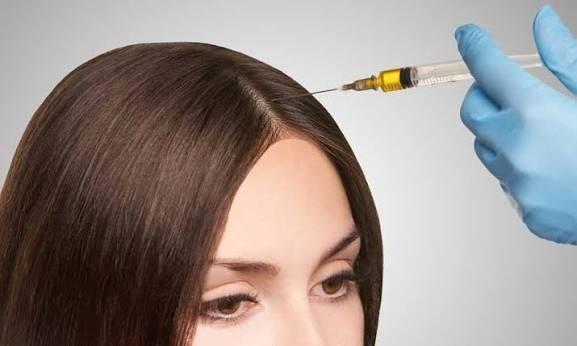
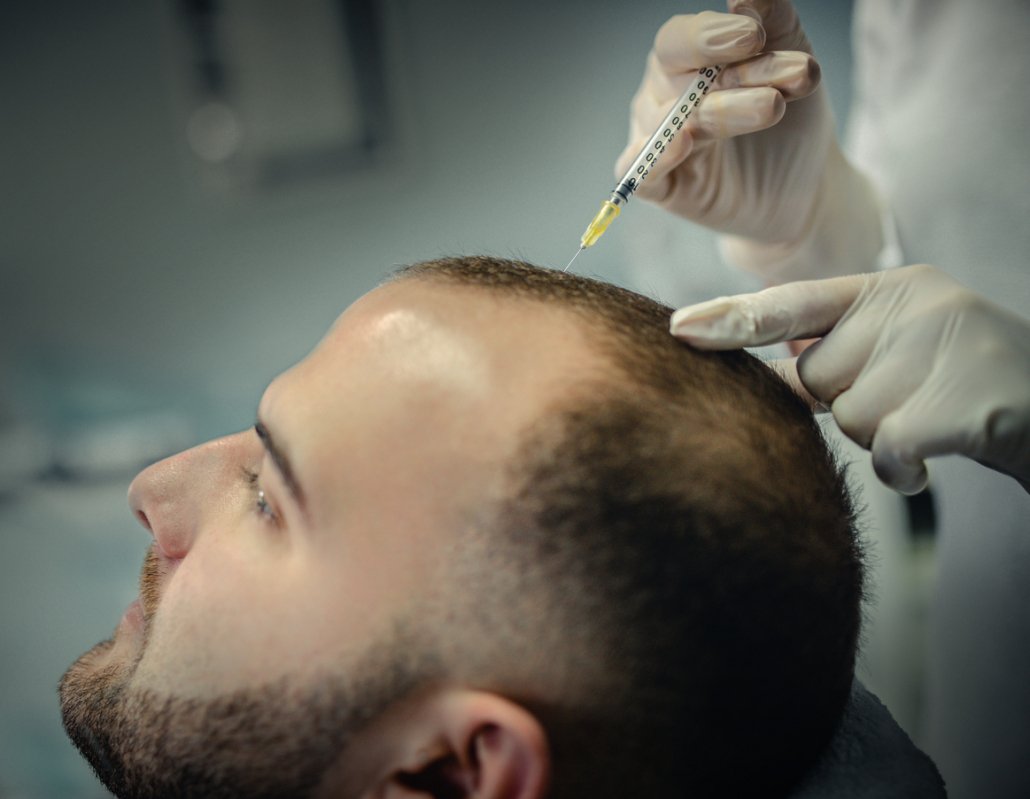
The main source of discomfort is the series of small injections made across areas of thinning hair. The scalp contains many nerve endings, so patients may feel brief pinching, pressure, stinging, or a burning sensation as the needle enters and the solution is injected.
Pain perception is highly individual. One person may describe the injections as mild, while another may find repeated injections more uncomfortable. The location being treated can also influence the experience.
Clinical research on scalp PRP generally reports that pain or discomfort is temporary. A recent systematic review and meta-analysis found that adverse effects were usually mild and well tolerated, with transient injection pain occurring during treatment or shortly afterward.
For this reason, someone researching ACell PRP hair treatment should expect some sensation during the injections rather than assuming the procedure will be completely painless.
What Does the Injection Feel Like?
The sensation is often easier to understand when the procedure is broken into stages.
Before the injections
The scalp is typically cleaned and prepared. Depending on the clinic's protocol and your sensitivity, a topical or local numbing approach may be considered to reduce discomfort.
During the injections
A practitioner makes multiple small injections into the areas being treated. You may notice:
- A quick pinching sensation when the needle enters
- Brief stinging or pressure
- A feeling of fullness as the solution is injected
- Mild tenderness in particularly sensitive areas
- Increasing sensitivity as multiple injections are performed
The discomfort usually comes from the injections themselves rather than from the PRP preparation process. Blood collection may cause a brief needle sensation similar to having blood drawn.
Immediately afterward
The scalp may feel tender, tight, warm, or mildly swollen. Some people notice small areas of redness or pinpoint bleeding around injection sites.
These effects are generally short-lived. Studies of PRP for hair loss have reported mild symptoms such as scalp tightness, swelling, redness, bleeding, and tingling that typically resolve without significant intervention.
What Factors Can Affect PRP Injection Pain?
There is no universal pain score for ACell PRP Therapy in Dubai because the experience depends on several factors.
Pain tolerance: People naturally have different sensitivity to needles and scalp stimulation.
Injection technique: Needle size, injection depth, spacing, and the practitioner's technique can influence comfort.
Number of injections: More injection points can mean a longer period of repeated sensations and greater temporary scalp tenderness.
Treatment area: Some parts of the scalp may feel more sensitive than others.
Numbing measures: Depending on the provider and treatment protocol, methods intended to reduce discomfort may be available.
Anxiety: Anticipating pain can make sensations feel more intense. Knowing what to expect can make the procedure easier for many people.
Because protocols differ, it is reasonable to ask the treating professional exactly how they manage discomfort before scheduling treatment.
How Long Does the Discomfort Last After Treatment?
For most people, post-treatment discomfort is temporary. The scalp may remain tender for several hours or, in some cases, longer depending on the individual and the intensity of treatment.
Research examining PRP for hair loss has generally found mild and transient adverse effects. A 2024 meta-analysis of randomized controlled trials involving female hair loss reported no significant difference in pain or discomfort between PRP and control groups, while symptoms such as tightness, swelling, redness, bleeding, and tingling were generally mild and resolved spontaneously within about 24 hours.
That does not mean every patient will have the same recovery. Some people may feel almost normal shortly afterward, while others may notice scalp tenderness for longer.
If discomfort becomes severe, continues to worsen, or is accompanied by unusual symptoms, contact the healthcare professional who performed the procedure rather than assuming it is part of normal recovery.
How Can You Make the Procedure More Comfortable?
If you are nervous about needles or have a low pain threshold, discuss your concerns before treatment rather than waiting until the procedure begins.
Useful questions include:
- What type of numbing method is available?
- How many injections will be required?
- How long will the injection portion take?
- What level of soreness is typical afterward?
- What should I do if my scalp remains uncomfortable?
Following the clinic's preparation and aftercare instructions is also important. Do not take pain medication or make changes to prescribed medicines simply to prepare for the procedure without discussing it with an appropriate healthcare professional, because individual medical circumstances can affect what is suitable.
Another practical step is to tell the practitioner immediately if an area feels particularly sensitive. Adjustments to technique or pacing may help improve the experience.
Is ACell PRP Therapy Worth the Temporary Discomfort?
Whether the treatment is worthwhile depends on your diagnosis, expectations, treatment goals, and how you respond to therapy.
PRP has been investigated for androgenetic alopecia and other forms of hair loss, with research showing potential improvements in hair density and thickness in some patients. However, results are not guaranteed, and studies use different PRP preparation methods, injection schedules, and treatment protocols.
The specific addition of ACell should also be discussed carefully with a qualified provider because evidence supporting PRP does not automatically establish the same level of evidence for every PRP-plus-ACell protocol.
For someone considering ACell PRP hair restoration, the most useful question is therefore not simply whether the treatment hurts. It is whether the expected benefits, potential risks, number of sessions, and evidence for the particular protocol make sense for that person's type and severity of hair loss.
Conclusion: What Should You Expect?
So, how painful is the ACell PRP therapy procedure? For most patients, the main discomfort comes from the repeated scalp injections and is generally described in clinical research as temporary and mild rather than severe. Some tenderness, tightness, redness, swelling, or sensitivity can occur afterward, but these effects commonly settle relatively quickly.
If you are considering ACell PRP Therapy Treatment, discuss your pain sensitivity, available numbing options, expected number of injections, and aftercare instructions during your consultation. Having a clear understanding of the procedure can help you approach treatment with realistic expectations and greater confidence.


