








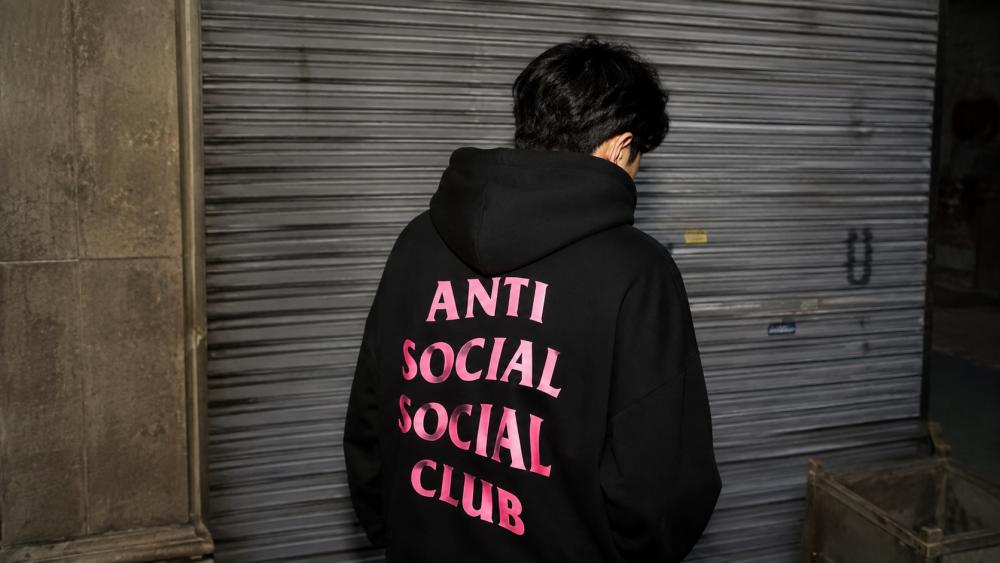
The Rise of Anti Social Social Club A Streetwear Phenomenon

Anti Social Social Club (ASSC) has emerged as one of the most talked-about brands in streetwear culture over the past decade. Founded in 2015 by designer Neek Lurk, ASSC quickly gained traction for its unique blend of minimalistic design, emotional branding, and limited releases that captivated a broad, youthful audience worldwide.
Origins and Concept
Neek Lurk, a former graphic designer for notable streetwear brands, launched Anti Social Social Club as a personal outlet to express his feelings of social anxiety, isolation, and self-doubt. The brand’s name itself is a direct reflection of this emotional vulnerability, resonating deeply with many young people navigating similar feelings in a digitally connected yet often isolating world.
From the start, ASSC’s aesthetic was simple but evocative — often just bold text featuring the brand’s name or phrases like “Mind Games” and “Forever Moody.” This straightforward design language helped the brand stand out in a crowded marketplace dominated by flashy logos and complex graphics.
Marketing and Hype Strategy
One of the keys to ASSC’s meteoric rise was its masterful use of scarcity and exclusivity. Limited drops released sporadically created an aura of hype and urgency around the products. Fans and collectors eagerly awaited new releases, often resulting in quick sellouts and a thriving resale market.
The brand also leveraged social media platforms, particularly Instagram, to build a direct connection with its audience. Neek Lurk’s personal tweets and posts added authenticity and a sense of intimacy, making fans feel personally connected to the brand’s story. Collaborations with other streetwear giants, celebrities, and artists further amplified its visibility and credibility.
Cultural Impact
ASSC struck a chord in the streetwear community by tapping into the zeitgeist of mental health awareness and emotional honesty. Unlike traditional streetwear brands focused solely on style or status, ASSC’s message encouraged wearers to embrace their flaws and vulnerabilities, making it more than just clothing — it became a statement.
The brand’s influence extended beyond fashion into music, art, and youth culture. It became a symbol for a generation grappling with social pressures, online personas, and the complexities of modern identity. This cultural relevance helped ASSC maintain momentum even as the streetwear market grew increasingly competitive.
Challenges and Criticism
Despite its success, Anti Social Social Club faced criticism and challenges. Some questioned the brand’s quality control and customer service, particularly as demand outpaced supply. Others debated whether the brand’s minimalist message and repetitive designs could sustain long-term interest.
Nevertheless, ASSC’s ability to adapt and evolve while Sudadera Anti Social Social Club staying true to its core ethos has helped it navigate these hurdles. New product lines, collaborations, and expansions into accessories have diversified its offerings and kept the brand fresh.
Legacy and Future
Today, Anti Social Social Club is recognized as a pioneering force in streetwear, influencing countless emerging brands that blend emotional storytelling with fashion. Its rise illustrates how authenticity, community connection, and clever marketing can transform a small label into a global phenomenon.
Looking ahead, ASSC’s challenge will be to maintain its relevancy and emotional connection in an ever-changing landscape. But with its loyal fan base and unique identity, Anti Social Social Club is poised to remain a defining name in streetwear culture for years to come.


