








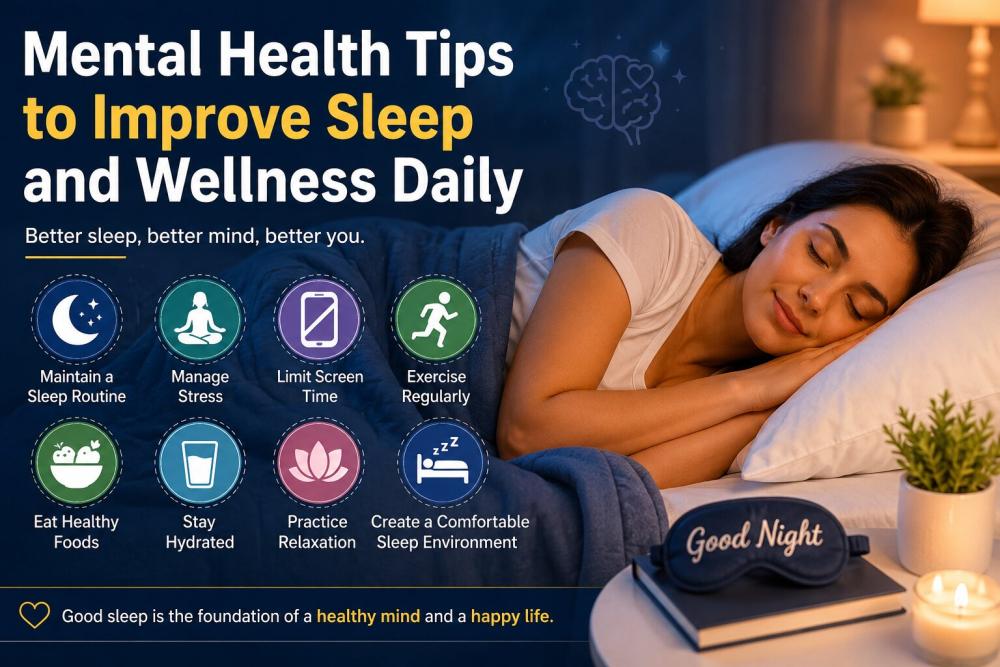
Mental Health Tips to Improve Sleep and Wellness Daily

Mental Health Tips can transform your daily routine by helping you sleep better, reduce stress, and improve your overall well-being. Quality sleep is one of the most important foundations of physical and emotional health, yet millions of people struggle with restless nights and constant fatigue. By adopting healthy habits and understanding the connection between mental wellness and sleep, you can enjoy a healthier, happier, and more productive life.
Why Mental Health and Sleep Are Connected
Mental health and sleep share a strong relationship. Poor sleep can negatively affect your mood, concentration, memory, and energy levels. Likewise, stress, anxiety, and emotional challenges can make it difficult to fall asleep or stay asleep throughout the night.
When your mind remains active with worries or overwhelming thoughts, your body struggles to relax. This creates a cycle where poor sleep worsens mental health, and declining mental health further disrupts sleep.
Breaking this cycle begins with simple lifestyle changes that support both emotional wellness and restful sleep.
Understand Your Sleep Cycle
Your body follows a natural internal clock known as the circadian rhythm. This biological clock regulates when you feel awake and when you become sleepy. Maintaining a consistent sleep schedule helps keep this rhythm balanced.
Adults generally need between seven and nine hours of quality sleep each night. Sleeping too little or even too much may affect cognitive function, emotional stability, and overall health.
Listening to your body's natural signals instead of forcing irregular sleep schedules improves both mental clarity and physical recovery.
Create a Consistent Bedtime Routine
A relaxing bedtime routine tells your brain that it is time to unwind. Consistency is more important than complexity.
A healthy nighttime routine may include:
- Reading a book
- Gentle stretching
- Deep breathing exercises
- Listening to calming music
- Drinking caffeine-free herbal tea
- Taking a warm shower
Avoid exciting activities or emotionally stressful conversations before bedtime, as they may stimulate the brain and delay sleep.
Reduce Screen Time Before Sleeping
Electronic devices emit blue light that suppresses melatonin production, the hormone responsible for sleep.
Consider these habits:
- Turn off screens at least one hour before bed.
- Use night mode if devices are necessary.
- Replace scrolling through social media with reading or meditation.
- Keep phones away from your pillow.
Reducing digital distractions allows your brain to transition naturally into sleep mode.
Practice Daily Stress Management
Stress is one of the leading causes of poor sleep quality.
Simple stress management techniques include:
- Mindfulness meditation
- Journaling your thoughts
- Deep breathing exercises
- Progressive muscle relaxation
- Spending time in nature
Even ten minutes of relaxation each day can significantly improve emotional balance and sleep quality.
Exercise Regularly
Physical activity benefits both mental health and sleep.
Exercise helps by:
- Reducing anxiety
- Lowering stress hormones
- Increasing endorphins
- Improving sleep efficiency
- Supporting emotional resilience
Aim for at least 30 minutes of moderate exercise most days of the week. Walking, cycling, swimming, yoga, or dancing are excellent choices.
Avoid vigorous workouts immediately before bedtime, as they may temporarily increase alertness.
Eat Foods That Support Better Sleep
Nutrition plays a significant role in sleep quality.
Foods that may promote restful sleep include:
- Bananas
- Almonds
- Walnuts
- Oats
- Whole grains
- Milk
- Yogurt
- Cherries
- Kiwi
- Leafy green vegetables
These foods provide nutrients like magnesium, calcium, and tryptophan that support relaxation and healthy sleep.
Limit heavy meals, spicy foods, caffeine, and sugary snacks close to bedtime.
Stay Hydrated Without Overdoing It
Proper hydration supports overall body function and brain health.
Drink enough water during the day but avoid consuming large amounts immediately before bed to reduce nighttime bathroom visits that interrupt sleep.
Balanced hydration contributes to better physical recovery and improved mood.
Make Your Bedroom Sleep-Friendly
Your sleeping environment greatly influences sleep quality.
Create a comfortable bedroom by:
- Keeping the room cool
- Using blackout curtains
- Reducing noise
- Choosing a supportive mattress
- Using comfortable pillows
- Keeping the room clean and uncluttered
A peaceful environment encourages faster sleep onset and fewer nighttime awakenings.
Learn Relaxation Techniques
Relaxation exercises calm both the mind and body.
Popular techniques include:
Deep Breathing
Slow breathing reduces heart rate and relaxes the nervous system.
Meditation
Mindfulness meditation helps quiet racing thoughts before bedtime.
Guided Imagery
Visualizing peaceful places can reduce anxiety and encourage sleep.
Progressive Muscle Relaxation
Gradually tightening and relaxing muscles releases physical tension accumulated during the day.
Practicing these techniques consistently strengthens your body's ability to relax naturally.
Limit Caffeine and Alcohol
Caffeine can remain active in the body for several hours, making it harder to fall asleep.
Try to avoid coffee, strong tea, energy drinks, and caffeinated soft drinks during the evening.
Although alcohol may initially cause drowsiness, it often disrupts deep sleep later in the night, leaving you feeling less refreshed in the morning.
Build Healthy Daily Habits
Healthy daily routines create long-term improvements in both sleep and emotional wellness.
Helpful habits include:
- Wake up at the same time every day.
- Eat balanced meals.
- Spend time outdoors.
- Take short movement breaks.
- Practice gratitude.
- Stay socially connected.
- Limit negative news consumption.
Small improvements practiced consistently often produce lasting results.
Manage Anxiety Before Bed
Many people experience increased anxiety at night because there are fewer distractions.
Helpful strategies include:
- Writing tomorrow's task list
- Keeping a gratitude journal
- Practicing breathing exercises
- Talking with trusted friends or family
- Seeking professional support when needed
Addressing anxious thoughts before bedtime prevents them from interfering with sleep.
Avoid Long Daytime Naps
Short naps of 20 to 30 minutes may improve alertness.
However, long afternoon naps can reduce nighttime sleep quality, making it harder to maintain a healthy sleep schedule.
If you frequently struggle with insomnia, consider limiting naps altogether until nighttime sleep improves.
Spend Time in Natural Sunlight
Morning sunlight helps regulate your body's internal clock.
Exposure to natural daylight improves melatonin production later in the evening, helping you fall asleep more easily.
Even a 20-minute morning walk can positively influence both mood and sleep quality.
Know When to Seek Professional Help
Persistent sleep problems lasting several weeks may indicate an underlying health condition.
Consult a healthcare professional if you experience:
- Chronic insomnia
- Loud snoring
- Frequent nighttime awakenings
- Excessive daytime sleepiness
- Anxiety affecting daily life
- Depression symptoms
Early support often leads to faster recovery and improved quality of life.
The Long-Term Benefits of Better Sleep
Improving sleep offers numerous benefits beyond feeling rested.
Better sleep may help:
- Improve memory
- Increase focus
- Enhance productivity
- Strengthen immunity
- Support heart health
- Improve emotional stability
- Reduce stress
- Encourage healthier relationships
- Improve decision-making
- Boost overall happiness
Healthy sleep is one of the simplest yet most effective investments you can make in your overall well-being.
Building a Healthier Future
Improving sleep is not about making dramatic changes overnight. Instead, focus on building small habits that become part of your everyday lifestyle. Consistent routines, balanced nutrition, regular physical activity, stress management, and positive thinking all work together to support better sleep and emotional well-being. As more people embrace these healthy practices and promote Mental Health Awareness, communities become stronger, healthier, and more supportive of overall wellness.
Conclusion
Better sleep is one of the most powerful tools for improving both physical and emotional health. By following these practical strategies, you can reduce stress, increase energy, improve concentration, and enjoy greater emotional balance every day. Remember that lasting change comes from consistency rather than perfection. Start with one healthy habit today, build upon it gradually, and experience the long-term benefits of improved sleep and overall wellness.


