








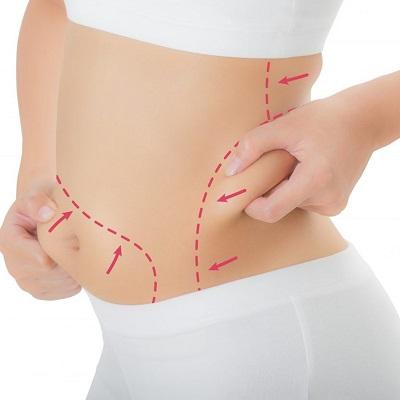
Liposuction for the Waist: Can It Create a Smaller Shape?

A defined waist is often associated with balanced body proportions and a more contoured silhouette. However, even people who maintain a healthy lifestyle may have stubborn fat around the waist that does not respond easily to diet and exercise. This is one reason liposuction remains a popular option for people looking to improve their body shape.
Liposuction for the waist focuses on removing localized fat deposits from areas such as the sides of the abdomen, love handles, and lower back. By reducing excess fat in these areas, the procedure can create a more sculpted transition between the upper body and hips. In some patients, this can make the waist appear smaller and more defined.
For individuals researching the Best Liposuction in Muscat, it is important to understand what the procedure can realistically achieve. Liposuction is primarily a body-contouring treatment rather than a weight-loss solution. Its purpose is to refine specific areas and improve proportions rather than produce dramatic overall weight reduction.
The final result depends on several factors, including the amount and distribution of fat, skin elasticity, body structure, the treatment technique, and the patient's recovery process. When the procedure is appropriate for the individual, waist liposuction may help create a slimmer-looking and more proportionate shape.
How Does Waist Liposuction Create a Smaller-Looking Shape?
Waist liposuction works by removing targeted fat deposits from beneath the skin. During the procedure, a thin tube called a cannula is typically used to remove unwanted fat through small openings in the skin.
When the sides of the waist and surrounding areas contain excess fat, the natural transition between the waist, abdomen, hips, and back may appear less defined. Removing carefully selected fat deposits can improve these transitions.
For example, reducing fat around the flanks, commonly known as love handles, may make the waist appear narrower from the front and side. Treating the lower back can also help create a smoother contour around the torso.
The visual effect is not necessarily caused by removing a large amount of fat. Instead, the goal is often to create better proportions. A relatively modest reduction in carefully selected areas can sometimes make a noticeable difference in the overall silhouette.
This is why an individualized approach is important. Every person's body is shaped differently, and the areas that need contouring will vary. A treatment plan designed around the patient's natural anatomy can help produce a more balanced appearance.
For those exploring the Best Liposuction in Oman, it is helpful to focus on realistic body-contouring goals rather than expecting the procedure to create an entirely different body shape.
Can Liposuction Actually Make the Waist Smaller?
Yes, waist liposuction can make the waist appear smaller in suitable candidates, but the degree of change varies.
Liposuction physically removes fat cells from targeted areas. Because the number of fat cells in the treated region is reduced, the area may become slimmer once postoperative swelling decreases and healing progresses.
However, liposuction cannot change the width of the pelvic bones or rib cage. A person's basic skeletal structure plays an important role in determining how narrow the waist can naturally appear.
Similarly, liposuction cannot guarantee an hourglass shape in every patient. If the hips and shoulders have a particular natural width, removing waist fat alone may not create the proportions someone expects.
The best results generally come from understanding what the patient's anatomy allows and creating a treatment plan that enhances natural proportions.
Another factor is skin elasticity. If the skin is relatively firm and elastic, it may contract more effectively around the newly contoured area. If the skin has significant laxity, removing fat alone may not provide the desired degree of smoothness.
In cases involving substantial loose skin, a different or additional body-contouring approach may sometimes be considered. This is something that should be assessed individually during a professional consultation.
Which Areas Are Commonly Treated Along With the Waist?
Waist liposuction is often performed as part of a broader contouring plan. The exact areas treated depend on the patient's anatomy and goals.
Flanks and Love Handles
The flanks are among the most common areas treated when the goal is to create a more defined waist. Excess fat in this region can extend outward from the torso, making the waist appear wider.
Reducing these deposits may create a smoother and more inward curve between the ribs and hips.
Lower Back
Fat accumulation in the lower back can sometimes affect the appearance of the waist from behind and from the side. Treating this area may improve the overall transition around the torso.
Abdomen
Some patients have localized fat in the upper or lower abdomen along with waist fat. Addressing carefully selected abdominal areas may help create a more consistent contour.
However, abdominal liposuction does not necessarily produce a flat stomach in every patient. Muscle tone, internal fat, skin laxity, and other factors can affect the appearance of the abdomen.
Upper Hips
In some cases, the upper hip area may be included to create smoother proportions between the waist and hips. The goal is usually to create a balanced contour rather than simply remove as much fat as possible.
When several areas are treated together, careful planning becomes particularly important. Removing too much fat from one area while leaving surrounding areas untreated can potentially create an unnatural transition.
This is why people searching for the Best Liposuction in Oman should consider the overall approach to body contouring rather than focusing solely on the amount of fat removed.
Who May Be a Good Candidate for Waist Liposuction?
Liposuction is generally most suitable for adults who are relatively close to their healthy or stable body weight but have localized fat deposits that remain resistant to lifestyle efforts.
A suitable candidate may have:
-
Persistent fat around the waist or flanks
-
Relatively good skin elasticity
-
A stable body weight
-
Realistic expectations about the procedure
-
A willingness to follow postoperative instructions
-
No uncontrolled medical conditions that could significantly increase surgical risks
Liposuction is not usually considered a primary treatment for obesity or significant overall weight loss. People who are substantially overweight may be advised to focus first on achieving a healthier and more stable weight.
It is also important to understand that liposuction does not prevent future weight gain. Although fat cells are removed from treated areas, remaining fat cells can still enlarge if a person gains weight.
Patients who maintain a stable weight and healthy lifestyle are generally better positioned to preserve their body-contouring results over time.
A professional assessment is essential before treatment. The healthcare professional can evaluate skin quality, fat distribution, body proportions, medical history, and individual expectations to determine whether waist liposuction is appropriate.
What Is Recovery Like After Waist Liposuction?
Recovery after waist liposuction varies from person to person. Swelling, bruising, tenderness, and temporary numbness are common during the early healing period.
Patients may be advised to wear compression garments after the procedure. These garments can provide support and may help manage postoperative swelling while the treated tissues heal.
Light movement is often encouraged during recovery, while strenuous exercise and heavy lifting may need to be avoided until the patient receives appropriate clearance.
The initial improvement may be visible relatively soon, but the final shape does not appear immediately. Swelling can obscure the results for several weeks, and subtle changes may continue as the body heals.
Patience is therefore an important part of the process. A waist may look uneven or more swollen on one side during early recovery without this necessarily indicating a permanent problem.
Patients should attend recommended follow-up appointments and report unusual symptoms such as severe pain, rapidly increasing swelling, significant redness, fever, or other concerning changes.
Anyone considering the Best Liposuction in Oman should also ask about the expected recovery period before treatment. Understanding how much time may be needed away from strenuous activities can help with planning work, travel, exercise, and other responsibilities.
What Results Can Patients Expect From Waist Liposuction?
The results of waist liposuction can be long-lasting because the procedure removes fat cells from targeted areas. However, the final appearance depends on several variables.
Patients with good skin elasticity may see a smoother and more defined contour as swelling subsides. Those with reduced skin elasticity may experience some remaining looseness, particularly if a significant amount of fat is removed.
The overall result is also influenced by body proportions. A smaller waist may be more noticeable when the surrounding abdomen, hips, and back have complementary contours.
Patients should also understand that liposuction does not stop the aging process. Changes in skin elasticity and body composition can occur over time.
Maintaining a stable weight is one of the most important ways to support long-term results. A balanced diet, regular physical activity, and healthy lifestyle habits can help preserve the improved contour.
It is also important to avoid comparing one person's results directly with another's. Two patients may undergo similar procedures and experience different outcomes because of differences in genetics, skin quality, fat distribution, and healing.
The most satisfying results are usually those that look natural and proportionate to the individual's body.
Is Waist Liposuction the Same as Weight Loss?
No. Waist liposuction and weight loss are fundamentally different.
Weight loss generally involves reducing overall body mass through changes in energy balance, diet, physical activity, or medical treatment when appropriate. Liposuction, on the other hand, focuses on removing localized fat deposits to improve body contours.
A person may lose several pounds through lifestyle changes without achieving the desired waist shape. Conversely, someone may undergo liposuction and experience a visible improvement in body proportions without a major change on the scale.
For this reason, liposuction is best viewed as a body-contouring procedure rather than a weight-loss treatment.
People considering the Best Liposuction in Oman should discuss their goals openly during a consultation. If the main goal is overall weight reduction, liposuction may not be the most appropriate solution. If the goal is to refine stubborn fat around the waist after achieving a relatively stable weight, liposuction may be more relevant.
Ultimately, the right treatment depends on the individual's health, anatomy, expectations, and desired outcome.
Final Thoughts on Creating a Smaller Waist With Liposuction
Waist liposuction can help create a smaller-looking and more defined shape by removing localized fat from the waist, flanks, lower back, and surrounding areas. The procedure can improve body proportions and create smoother transitions between different areas of the torso.
However, it is not a guaranteed way to achieve a specific waist measurement or an hourglass figure. Natural anatomy, skin elasticity, fat distribution, and overall body proportions all influence the final appearance.
For people researching the Best Liposuction in Oman, the most important consideration should be whether the procedure is suitable for their individual needs and whether their expectations are realistic.
A successful body-contouring journey involves more than the procedure itself. Careful assessment, appropriate treatment planning, proper recovery, and long-term weight stability all contribute to the final outcome.
When performed for the right candidate and approached with realistic expectations, waist liposuction can be an effective option for refining stubborn fat deposits and creating a more sculpted silhouette.
FAQs
1. Can waist liposuction make the waist permanently smaller?
Liposuction removes fat cells from the treated areas, which can provide long-lasting contouring results. However, remaining fat cells can enlarge if significant weight is gained. Maintaining a stable weight can help preserve the improved waist shape.
2. Does waist liposuction create an hourglass figure?
It may enhance an hourglass appearance in some patients by reducing fat around the waist and flanks. However, the result depends on natural body structure, hip and shoulder proportions, skin elasticity, and fat distribution. Liposuction cannot change the underlying bone structure.
3. Is waist liposuction suitable for weight loss?
Liposuction is primarily a body-contouring procedure, not a treatment for obesity or significant weight loss. It is generally more suitable for people who are near a stable weight but have localized fat deposits that are resistant to diet and exercise.
4. How long does it take to see the final waist liposuction results?
Some changes may be visible relatively soon after treatment, but swelling and fluid retention can temporarily affect the appearance. The waist may continue to refine as healing progresses, and the final result may take several weeks or months to become fully apparent.
5. Can loose skin affect the results of waist liposuction?
Yes. Skin elasticity plays an important role in the final contour. Patients with good skin elasticity may experience better natural skin retraction, while those with significant skin laxity may have remaining loose skin after fat removal.
6. Can waist fat return after liposuction?
The fat cells removed during liposuction do not typically grow back, but the remaining fat cells can become larger with weight gain. Maintaining a stable weight and healthy lifestyle can help support long-term results.
Read More About Liposuction: https://www.citymapia.com/muscat/enfield-royal-clinic-oman/blog/when-can-i-drive-after-34078


