








How to Get the Best Results From Liposuction

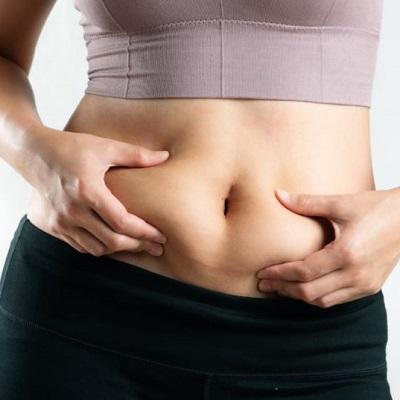
Liposuction is a popular cosmetic procedure designed to remove stubborn pockets of localized fat that may not respond well to diet and exercise. For people who have already made healthy lifestyle changes but still struggle with areas such as the abdomen, thighs, hips, arms, back, or chin, liposuction can help create a more balanced and contoured body shape. However, getting the best possible results depends on much more than the procedure itself.
Anyone considering Liposuction in Oman can benefit from understanding what influences the outcome, how to prepare for treatment, and what steps can support a smooth recovery. The quality of the results is often linked to realistic expectations, appropriate treatment planning, healthy habits, and careful aftercare.
Liposuction is not intended to replace weight loss or serve as a treatment for obesity. Instead, it is generally considered a body-contouring procedure for removing localized fat deposits. When the procedure is performed on a suitable candidate and followed by proper recovery practices, it may help improve body proportions and create a smoother, more defined appearance.
Choose Liposuction for the Right Reason
One of the most important steps toward achieving a satisfying outcome is understanding what liposuction can—and cannot—do. The procedure is primarily designed to target localized fat rather than provide significant overall weight reduction.
People who maintain a relatively stable weight but have stubborn fat deposits may be suitable candidates. Common treatment areas can include the abdomen, waist, hips, thighs, upper arms, back, and under the chin. The ideal treatment area depends on individual anatomy, skin quality, and the distribution of excess fat.
A person considering liposuction should have realistic expectations. The goal is usually improved body contour and proportion rather than achieving a completely different body shape. Understanding this distinction can help create a more positive treatment experience.
Good candidates are also generally in reasonable overall health and have sufficient skin elasticity. Skin elasticity matters because the skin needs to adapt to the new underlying contours after fat removal. If the skin has significant laxity, removing fat alone may not produce the desired appearance, and another treatment approach may need to be considered.
A consultation with a qualified medical professional is therefore an important part of the process. During this assessment, the patient's health history, treatment goals, skin quality, and areas of concern can be evaluated before an individualized plan is developed.
Prepare Properly Before the Procedure
Preparation can play an important role in supporting a safe procedure and a successful recovery. Before undergoing Liposuction in Oman, a patient should provide the treating medical team with complete and accurate information about their health, medications, allergies, previous surgeries, and any existing medical conditions.
Certain medications and supplements may affect bleeding or healing, so the medical team may recommend adjusting or temporarily stopping some products before treatment. These changes should only be made under professional guidance.
Maintaining a healthy lifestyle before the procedure can also be beneficial. A balanced diet that includes adequate protein, fruits, vegetables, whole grains, and sufficient fluids may support overall health and recovery. Crash diets or rapid weight-loss plans are generally not a good approach immediately before cosmetic surgery.
Smoking can also interfere with healing and increase the risk of complications. Patients who smoke may be advised to stop for a specific period before and after the procedure. The treating professional can provide personalized instructions based on the patient's health and circumstances.
Planning for recovery is equally important. Arranging transportation, preparing a comfortable recovery space, organizing meals, and ensuring that someone is available to provide assistance during the initial recovery period can make the process easier and less stressful.
Understand the Importance of Choosing the Right Treatment Plan
Every person's body is different, which means liposuction should not be approached as a one-size-fits-all procedure. The best results generally come from a treatment plan that is tailored to the individual's body shape, fat distribution, skin elasticity, and aesthetic goals.
During a consultation, the treatment area can be assessed to determine where fat removal may create the most balanced improvement. In some cases, treating multiple areas may help achieve better overall proportions, while in other situations, focusing on a specific area may be more appropriate.
The technique used during liposuction can also vary depending on the patient's needs and the area being treated. Different approaches may be used to loosen and remove fat, and the most suitable method should be selected by the treating professional based on the individual's circumstances.
It is also important for patients to discuss the expected outcome before treatment. A clear understanding of what can realistically be achieved can help prevent disappointment. Patients should feel comfortable asking about potential risks, recovery time, expected swelling, limitations after treatment, and the likely timeline for seeing the final result.
A thoughtful treatment plan is not simply about removing as much fat as possible. In many cases, the aim is to create a natural-looking contour while preserving appropriate proportions and avoiding an overly aggressive result.
Follow Post-Treatment Instructions Carefully
Following aftercare instructions is one of the most important ways to support good results. After liposuction, swelling, bruising, tenderness, and temporary changes in sensation can occur. These effects are generally part of the healing process, although recovery varies from person to person.
Patients may be advised to wear compression garments for a certain period. These garments can provide support and may help manage swelling during recovery. The medical team will explain how long they should be worn and how they should be used.
Physical activity should also be resumed gradually. Light movement may be encouraged soon after treatment to support circulation, but strenuous exercise, heavy lifting, and demanding physical activities may need to be avoided for a period of time.
Keeping follow-up appointments is equally important. These visits allow the medical team to monitor healing, assess swelling, and identify any concerns early. Patients should not hesitate to contact their healthcare provider if they notice unusual symptoms or if something does not seem right during recovery.
Patience is essential. Liposuction results are not always visible immediately because swelling can temporarily hide the changes in body contour. The treated area may continue to improve gradually as the body heals and swelling decreases.
Maintain a Stable Weight and Healthy Lifestyle
Liposuction removes fat cells from targeted areas, but it does not prevent future weight gain. Remaining fat cells in other areas of the body can still enlarge if a person gains significant weight after treatment.
For this reason, maintaining a stable weight is an important part of protecting the results. A balanced diet and regular physical activity can help support long-term body contouring outcomes.
A healthy lifestyle does not need to involve extreme restrictions. Instead, sustainable habits are generally more effective. A person can focus on nutrient-rich foods, appropriate portion sizes, regular movement, good sleep, and adequate hydration.
Exercise can also help maintain overall muscle tone and body composition. Once the treating professional confirms that physical activity can safely resume, a gradual return to exercise may be beneficial.
It is worth remembering that liposuction is not a substitute for healthy habits. Instead, it can complement an established lifestyle by addressing localized fat that may be resistant to conventional efforts.
Be Patient While the Final Results Develop
One of the most common mistakes after liposuction is judging the result too quickly. Early swelling can make the treated area appear larger, uneven, or different from what was expected. Temporary asymmetry may also occur as different parts of the body heal at different rates.
The body needs time to recover. As swelling gradually decreases, the contours typically become more visible. The exact timeline varies depending on factors such as the treatment area, the extent of fat removal, individual healing, and adherence to aftercare instructions.
Patients should avoid comparing their recovery with someone else's experience. Two people undergoing similar procedures may have very different healing timelines.
A good approach is to follow professional advice, attend scheduled follow-up appointments, maintain healthy habits, and allow the body to heal naturally. If concerns arise during recovery, they should be discussed with the treating medical team rather than relying solely on online information.
The final outcome is influenced by several factors, including the patient's starting anatomy, skin elasticity, treatment plan, recovery, and long-term lifestyle. While liposuction can create meaningful improvements in body contour, it is important to view the procedure as part of a broader approach to health and body confidence.
What to Consider Before Liposuction in Oman
For individuals researching Liposuction in Oman, selecting an appropriate medical setting and understanding the treatment process should be key priorities. A prospective patient should look for a qualified and appropriately trained medical professional who can provide a thorough consultation and explain the procedure clearly.
During the consultation, patients can ask about the professional's qualifications, experience with the specific treatment area, the techniques available, potential risks, recovery expectations, and follow-up care. It is also helpful to ask how complications would be managed if they occur.
The decision should not be based solely on cost. Safety, professional qualifications, appropriate facilities, personalized treatment planning, and quality of aftercare are all important considerations.
Patients should also be cautious about unrealistic promises. No responsible professional can guarantee a perfect outcome, and individual results can vary. A trustworthy consultation should include an honest discussion about both benefits and limitations.
Before proceeding, individuals should make sure they understand the expected recovery process and have realistic expectations about the changes that liposuction can provide. When the procedure is approached with proper preparation and informed decision-making, patients may be better positioned to achieve a result that complements their natural body shape.
Frequently Asked Questions
1. Is liposuction a weight-loss treatment?
No. Liposuction is primarily a body-contouring procedure rather than a weight-loss treatment. It is generally intended for people who are near a stable, healthy weight but have localized areas of fat that are resistant to diet and exercise. A healthy lifestyle remains important before and after the procedure.
2. How long does it take to see the final results of liposuction?
The initial changes may be noticeable relatively soon, but swelling can temporarily affect the appearance of the treated area. The final contour usually develops gradually as the body heals and swelling decreases. The timeline varies between individuals and depends on the treatment area and the extent of the procedure.
3. Can the fat come back after liposuction?
The fat cells removed during liposuction are permanently removed from the treated area. However, remaining fat cells can increase in size if a person gains weight. Maintaining a stable weight through healthy eating and regular physical activity can help preserve the results.
4. Is liposuction suitable for everyone?
No. Suitability depends on several factors, including overall health, weight stability, skin elasticity, medical history, and personal expectations. A professional medical assessment is necessary to determine whether liposuction is an appropriate option for a particular individual.
5. How can someone prepare for liposuction?
Preparation may include maintaining a stable weight, following medical instructions, reviewing medications and supplements with the healthcare team, avoiding smoking when advised, and arranging appropriate support during recovery. Patients should follow all individualized instructions provided before the procedure.
6. What should someone consider when looking for Liposuction in Oman?
Patients should consider the qualifications and experience of the treating professional, the quality and safety standards of the facility, the proposed treatment plan, potential risks, recovery requirements, and follow-up arrangements. A thorough consultation is essential before making a decision.
Read More About Liposuction: https://www.citymapia.com/muscat/enfield-royal-clinic-oman/blog/liposuction-aftercare-34072


