








Gastric Bypass vs Ozempic: Which Is More Effective for Weight Loss?

Introduction
Choosing the right weight loss treatment can feel overwhelming, especially with the growing popularity of medications like Ozempic alongside proven surgical procedures. While both options are designed to help individuals lose weight and improve obesity-related health conditions, they work in very different ways and are suitable for different patients.
If you're considering gastric bypass in Islamabad, understanding how it compares with Ozempic can help you make a more informed decision. Both treatments have their own advantages, limitations, costs, and long-term outcomes. This guide explains how each option works, who may benefit the most, and what factors should influence your choice.
Key Takeaways
- Compare gastric bypass surgery and Ozempic side by side.
- Learn how each treatment promotes weight loss.
- Understand effectiveness, safety, costs, and long-term outcomes.
- Discover which option may be suitable based on individual health goals.
Understanding Gastric Bypass Surgery
What Is Gastric Bypass?
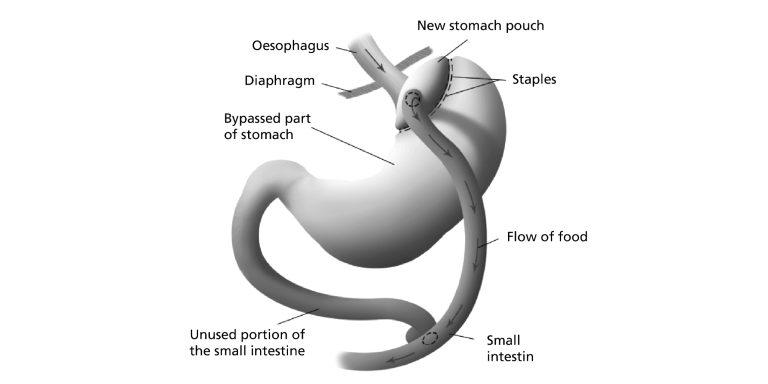
Gastric bypass, also known as Roux-en-Y Gastric Bypass, is one of the most established bariatric procedures for treating obesity. During the surgery, the stomach is divided to create a small pouch, and part of the small intestine is rerouted. This allows patients to eat less while also reducing calorie absorption.
The procedure is generally recommended for individuals with severe obesity who have struggled to lose weight through diet, exercise, or medications.
Highlights
- Creates a smaller stomach pouch.
- Reduces food intake.
- Alters digestion to decrease calorie absorption.
- Encourages long-term weight loss.
- May improve several obesity-related diseases.
Understanding Ozempic
What Is Ozempic?
Ozempic (semaglutide) is a prescription medication originally developed for managing Type 2 diabetes. It belongs to a class of drugs called GLP-1 receptor agonists, which help regulate appetite, slow stomach emptying, and improve blood sugar control.
Although Ozempic has become popular for weight loss, it is not a surgical treatment and requires continuous use to maintain its benefits.
Highlights
- Weekly injectable medication.
- Helps reduce appetite.
- Slows digestion.
- Supports gradual weight loss.
- Commonly prescribed under medical supervision.
How Gastric Bypass and Ozempic Work Differently
Gastric Bypass
The surgery physically changes the digestive system by:
- Reducing stomach capacity.
- Limiting calorie absorption.
- Changing hunger-related hormones.
- Improving insulin sensitivity.
Ozempic
The medication works without surgery by:
- Mimicking natural GLP-1 hormones.
- Increasing feelings of fullness.
- Slowing stomach emptying.
- Reducing calorie intake through appetite suppression.
Weight Loss Effectiveness
Gastric Bypass Results
Research consistently shows gastric bypass produces significant and long-lasting weight loss for eligible patients.
Many individuals lose approximately:
- 60–80% of excess body weight.
- Significant weight within the first 12–18 months.
- Better long-term weight maintenance when healthy habits are maintained.
Ozempic Results
Clinical studies have shown Ozempic can also promote meaningful weight loss.
Typical outcomes include:
- Around 10–15% total body weight reduction.
- Gradual progress over several months.
- Results depend on continued medication use.
Which Treatment Produces Faster Results?
Weight loss after gastric bypass is often faster during the first year because surgery changes both stomach capacity and nutrient absorption.
Ozempic generally produces slower, steady weight reduction over time.
Comparison
- Gastric bypass: Rapid early weight loss.
- Ozempic: Gradual and consistent progress.
- Both require healthy eating habits.
- Physical activity improves outcomes.
Improvement in Obesity-Related Conditions
Both treatments may improve obesity-associated health problems.
Gastric Bypass May Improve
- Type 2 diabetes
- High blood pressure
- Sleep apnea
- High cholesterol
- Fatty liver disease
- Joint pain
Ozempic May Improve
- Blood sugar control
- Appetite regulation
- Cardiovascular risk factors
- Weight-related metabolic issues
Long-Term Success
One major difference between these treatments involves long-term maintenance.
Gastric Bypass
Many patients maintain significant weight loss for years when they continue healthy eating, exercise, and routine medical follow-up.
Ozempic
Weight regain may occur if the medication is discontinued, making long-term adherence an important consideration.
Safety Considerations
Gastric Bypass Risks
Like any surgical procedure, gastric bypass carries potential risks including:
- Infection
- Bleeding
- Blood clots
- Nutritional deficiencies
- Dumping syndrome
- Need for lifelong vitamin supplementation
Ozempic Side Effects
Common side effects include:
- Nausea
- Vomiting
- Constipation
- Diarrhea
- Stomach discomfort
- Appetite reduction
Patients should always consult a qualified healthcare provider before choosing either treatment.
Recovery Time
After Gastric Bypass
Recovery usually includes:
- Hospital stay for a short period.
- Gradual dietary progression.
- Return to light activities within several weeks.
- Regular follow-up appointments.
After Starting Ozempic
Patients generally continue daily activities while adapting to medication, although temporary digestive symptoms may occur.
Cost Comparison
Costs vary depending on several factors.
Gastric Bypass
Expenses may include:
- Surgical fees.
- Hospital charges.
- Anesthesia.
- Follow-up care.
- Nutritional counseling.
Ozempic
Long-term costs include:
- Monthly medication.
- Physician visits.
- Ongoing prescriptions.
- Continued monitoring.
While Ozempic may appear less expensive initially, long-term medication costs can accumulate over several years.
Who May Be a Good Candidate for Gastric Bypass?
Gastric bypass is often considered for individuals who:
- Have severe obesity.
- Meet BMI recommendations.
- Have obesity-related medical conditions.
- Have not achieved sustainable weight loss through lifestyle changes.
- Are committed to lifelong dietary changes and follow-up care.
Who May Be a Good Candidate for Ozempic?
Ozempic may be appropriate for individuals who:
- Need moderate weight reduction.
- Prefer a non-surgical option.
- Can commit to long-term medication.
- Have Type 2 diabetes or certain metabolic conditions.
- Are under ongoing medical supervision.
Lifestyle Commitment Matters
Neither treatment is a shortcut.
Successful long-term weight management requires:
- Healthy nutrition.
- Portion control.
- Regular exercise.
- Adequate hydration.
- Consistent follow-up appointments.
- Emotional and behavioral support when needed.
Gastric Bypass vs Ozempic: Quick Comparison
| Feature | Gastric Bypass | Ozempic |
|---|---|---|
| Treatment Type | Surgery | Weekly Injection |
| Weight Loss | Typically Greater | Moderate |
| Recovery | Surgical Recovery | Minimal Recovery |
| Long-Term Success | Excellent with Lifestyle Changes | Depends on Continued Use |
| Appetite Reduction | Significant | Significant |
| Diabetes Improvement | Often Dramatic | Effective |
| Hospital Stay | Yes | No |
| Ongoing Medication | Vitamins Required | Weekly Injection |
Frequently Asked Questions
Is gastric bypass better than Ozempic?
Neither option is universally better. The right treatment depends on your BMI, medical history, weight loss goals, and physician recommendations.
Can Ozempic replace bariatric surgery?
For some individuals with moderate obesity, medication may be appropriate. However, patients with severe obesity often achieve greater long-term weight loss through bariatric surgery.
Is gastric bypass permanent?
The anatomical changes created during gastric bypass are intended to be permanent, although long-term success depends on maintaining healthy habits.
Which option produces more weight loss?
Most studies indicate gastric bypass generally results in greater total weight loss than Ozempic alone.
Final Thoughts
Choosing between surgery and medication is a personal healthcare decision that should always be made with experienced medical guidance. Both treatments can improve health, increase mobility, and enhance quality of life, but they serve different patient needs and require long-term commitment.
If you are exploring gastric bypass in Islamabad, consulting an experienced bariatric team can help determine the most suitable treatment based on your health profile, lifestyle, and long-term goals.
Begin Your Weight Loss Journey with Slimthetics Clinic
If you're considering bariatric surgery and want expert guidance every step of the way, Slimthetics Clinic offers comprehensive weight management solutions tailored to your individual needs. From detailed consultations and advanced bariatric procedures to nutritional counseling and long-term follow-up care, our experienced team is committed to helping you achieve safe, sustainable weight loss. Book a consultation today to discover whether gastric bypass in Islamabad is the right option for transforming your health and quality of life.


