








Is Tummy Tuck Harder for Smokers?

Many people considering body contouring surgery ask whether smoking can affect their results and recovery. The answer is yes—smoking can significantly increase the risks associated with cosmetic procedures and may impact both healing and final outcomes. For individuals researching a Tummy tuck, understanding the relationship between smoking and surgical recovery is essential before making a decision.
Patients seeking guidance from reputable healthcare providers such as Dynamic Life Clinic are often advised to stop smoking well before surgery because tobacco use can interfere with the body's natural healing process and increase the likelihood of complications.
Why Smoking Affects Tummy Tuck Surgery
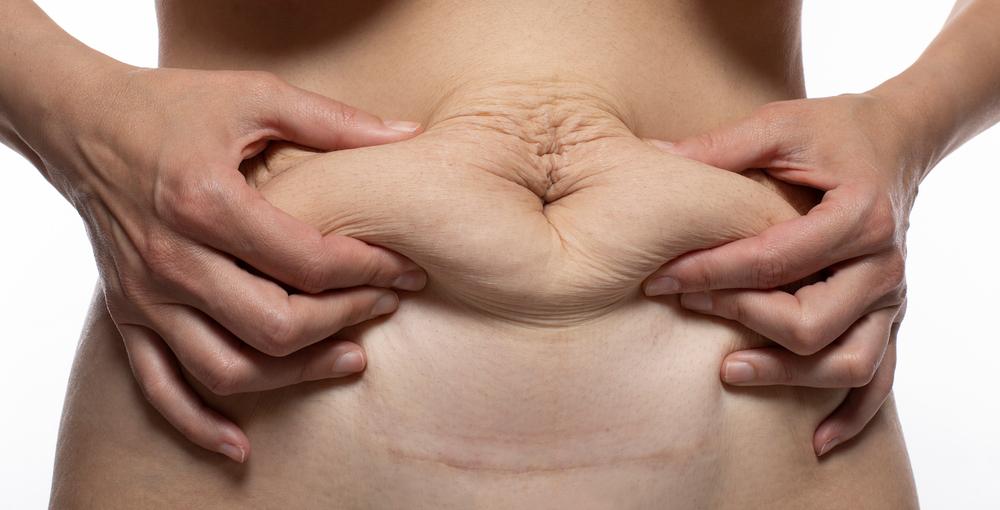
A tummy tuck, also known as abdominoplasty, involves removing excess skin and tightening abdominal muscles to create a smoother and firmer appearance. Since this procedure requires significant tissue healing, healthy blood circulation plays a critical role in recovery.
Smoking introduces nicotine and other harmful chemicals into the body. These substances cause blood vessels to narrow, reducing oxygen delivery to tissues. Oxygen is necessary for wound healing, tissue repair, and preventing infection.
When blood flow is restricted, the body may struggle to recover efficiently after surgery.

How Nicotine Impacts Healing
Nicotine is one of the biggest concerns for surgeons when evaluating a patient who smokes. It can negatively affect recovery in several ways:
- Reduces blood circulation
- Decreases oxygen supply to healing tissues
- Slows wound healing
- Increases inflammation
- Raises the risk of tissue damage
- Makes scars more noticeable
Because tummy tuck surgery involves large incisions, any interruption in the healing process can create complications that may require additional medical attention.
Increased Risk of Surgical Complications
Smokers generally face a higher risk of complications compared to non-smokers. These complications can occur during the healing phase and may affect both health and cosmetic results.
Common risks include:
Delayed Wound Healing
Healing takes longer when tissues do not receive adequate oxygen and nutrients. Incisions may remain open for extended periods, increasing the risk of infection and discomfort.
Infection
A weakened healing response can make the surgical site more vulnerable to bacteria. Infections may require medications, additional monitoring, or further treatment.
Skin Necrosis
One of the more serious concerns is skin necrosis, which occurs when tissue does not receive enough blood supply and begins to die. This condition is more common among smokers due to restricted circulation.
Excessive Scarring
Poor healing can lead to wider, thicker, or more visible scars. While scars are a normal part of tummy tuck surgery, smoking may affect how they mature and fade over time.
Fluid Accumulation
Smokers may experience a higher likelihood of postoperative complications such as fluid buildup beneath the skin, which can delay recovery.
Can Smoking Affect Tummy Tuck Results?
Beyond health concerns, smoking may also influence the final aesthetic outcome.
A successful tummy tuck depends on proper healing of the skin, fat, and muscle layers. When healing is compromised, the results may not appear as smooth or refined as intended. Poor tissue quality can affect skin tightening and increase the chance of irregularities during recovery.
Patients who stop smoking before and after surgery often experience better healing conditions, which can contribute to improved long-term results.
Why Surgeons Require Smoking Cessation
Many surgeons require patients to quit smoking before scheduling a tummy tuck. This requirement is not simply a precaution—it is a patient safety measure.
Most surgeons recommend avoiding:
- Cigarettes
- Cigars
- Vaping products containing nicotine
- Nicotine gum
- Nicotine patches
- Smokeless tobacco products
Even nicotine replacement products may affect blood flow and healing. Because of this, surgeons often provide specific guidelines regarding nicotine use before and after surgery.
How Long Should Smokers Quit Before Surgery?
The exact recommendation varies depending on the surgeon and individual health factors. However, many healthcare professionals advise patients to stop smoking several weeks before surgery and remain smoke-free throughout recovery.
This period allows the body to:
- Improve circulation
- Increase oxygen levels
- Enhance immune function
- Support healthier tissue repair
- Reduce surgical risks
Following these instructions carefully can significantly improve the recovery experience and overall outcome.
What About Occasional Smokers?
Some people believe occasional smoking carries little risk. However, even limited nicotine exposure can affect blood vessels and circulation.
Whether someone smokes daily, socially, or only on weekends, nicotine can still interfere with healing. Surgeons typically evaluate all tobacco and nicotine use when determining surgical eligibility.
Being transparent about smoking habits helps ensure proper planning and safer recovery recommendations.
Benefits of Quitting Before a Tummy Tuck
Stopping smoking before surgery offers benefits that extend beyond the procedure itself.
Better Blood Flow
Improved circulation helps deliver oxygen and nutrients to healing tissues.
Faster Recovery
Patients who avoid smoking often experience more efficient healing and fewer setbacks.
Lower Risk of Complications
The chances of infection, wound problems, and tissue damage decrease significantly.
Improved Scar Healing
Healthier skin recovery may contribute to less noticeable scars over time.
Better Overall Health
Quitting smoking supports cardiovascular and respiratory health, which can improve surgical safety and long-term wellness.
Tips for Preparing for Surgery as a Smoker
Individuals planning a tummy tuck can take several steps to improve their readiness for surgery.
- Speak honestly about smoking habits during consultations.
- Follow all preoperative instructions provided by the surgical team.
- Avoid nicotine products for the recommended period.
- Maintain a healthy diet rich in vitamins and protein.
- Stay hydrated before and after surgery.
- Attend all follow-up appointments.
- Seek support programs if quitting smoking feels challenging.
Proper preparation can make a meaningful difference in both recovery and final results.
Who Is a Good Candidate for a Tummy Tuck?
The best tummy tuck candidates are typically individuals who:
- Are in good overall health
- Maintain a stable weight
- Have realistic expectations
- Do not smoke or are willing to quit
- Can follow recovery instructions carefully
Smoking does not automatically prevent someone from having a tummy tuck, but it does increase the importance of medical evaluation and adherence to surgical guidelines.
Conclusion
So, is tummy tuck harder for smokers? In most cases, yes. Smoking can reduce blood flow, slow healing, increase the risk of complications, and potentially affect the final cosmetic outcome. Because a tummy tuck relies heavily on healthy tissue repair, surgeons often require patients to stop smoking well before the procedure and remain smoke-free during recovery. By following medical advice and prioritizing healing, patients can improve their chances of achieving a smoother recovery and optimal surgical results.


