








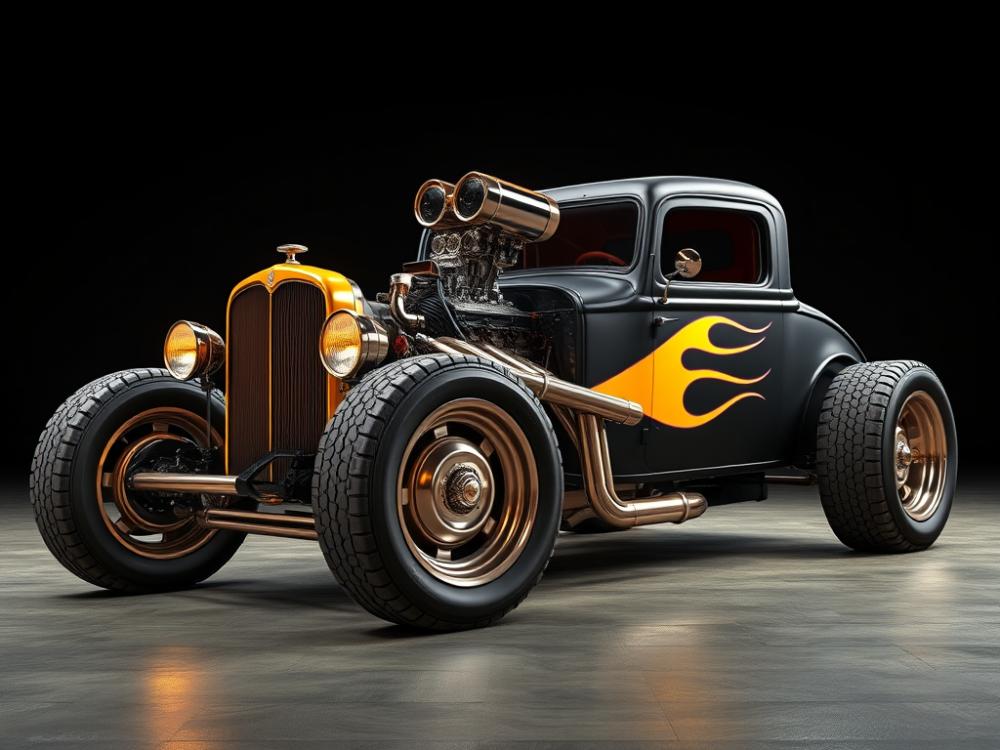
RAT ROD BUSES

The rat rod movement is all about celebrating the "un-restored" and the "raw." When you take that philosophy and apply it to a massive vehicle like a bus, you aren't just building a car—you’re building a rolling statement.
Rat rod buses range from slammed, patina-heavy VW Kombis to full-scale school bus (skoolie) conversions that look like they drove straight out of a post-apocalyptic movie. Whether it's a "hauler" setup carrying another rod on its back or a radical camper, these builds prioritize mechanical ingenuity and "sweat equity" over showroom paint jobs.
The classic patina look on a VW Bus. Източник: Motoexotica Classic Cars / 1969 Volkswagen Double Cab Pickup | Motoexotica Classic Cars
A school bus conversion as a 'toy hauler'. Източник: Reddit / 1970 bluebird school bus camper with Model A rat rod on the back ...
Creative rat rod interior details. Източник: Next Luxury / Top 50 Best Rat Rod Interior Ideas - Retro Automotive Designs
Why "Rust" is the New Chrome
The heart of a rat rod is the "patina" – that weathered, sun-bleached look that tells a story. While a traditional restoration tries to make a vehicle look new, a rat rodder wants it to look like it has lived a thousand lives.
In the world of buses, this often means keeping the original school district or transit authority paint, but slamming the suspension to the ground and stuffing a high-performance V8 or a modern diesel engine where the old, wheezing motor used to be.
The Anatomy of a Bus Build
Building a rat rod bus is a massive undertaking that requires more than just a wrench—it requires a welder, a grinder, and a vision.
1.The Tear Down & Cleanup:Removing decades of grime.
Start by stripping the interior. This is also the time to "pressure wash the hell out of it." Many builders choose to keep the original exterior paint but clear-coat it to preserve the rust (patina) without letting it progress into structural rot.
2.Chassis Modification:Cutting and welding.
Buses have massive frames. To get that "rat" look, builders often shorten the wheelbase or perform a "body drop" (lowering the body over the frame). This requires precision cutting and heavy-duty welding to ensure the vehicle remains safe to drive.
3.The Drivetrain Swap:Swapping for power.
Old bus engines are notoriously slow. A popular mod is swapping in a modern turbo-diesel or a big-block Chevy V8. This usually involves custom motor mounts and a transmission tunnel rebuild.
4.Interior Customization:The.
Rat rod interiors are known for being creative. It’s common to see headliners made from old license plates, bomber-style metal seats, or even high-end leather mixed with industrial steel piping.
Maintenance & "Sweat Equity"
A rat rod is never truly "finished." Because these builds often use "found parts"—like a radiator from a tractor or a shifter made from a piston—they require constant tinkering. As one enthusiast put it, it’s about "the hunt for parts" and the pride of knowing you built it with your own two hands.
"It's all about the hunt for parts... You've got to have a sense of humor and an eye for detail to enjoy rat rods." — Hemmings Daily


