








Stop Losing Money on That Stationary Vehicle in Your Driveway

Keeping an old, non-functioning vehicle parked at your residence feels like a cost-free decision, but it is actively draining your finances with each passing day. Many people hold onto broken cars with the firm intention of fixing them or waiting for the absolute perfect time to sell to a private buyer. As the months turn into years, the financial realities of property space, insurance requirements, and steady physical depreciation silently accumulate. Understanding the true monetary cost of keeping this stationary asset on your property is the first step toward making a smarter financial decision and putting actual money back into your pocket.
Even if a vehicle is not being driven on public roads, maintaining basic insurance coverage is often a strict legal requirement or a mandatory condition set by a local homeowners' association. Paying monthly insurance premiums for a machine that provides absolutely zero transportation utility is a direct and measurable financial loss. Some owners choose to cancel the insurance policy entirely to save cash, but this introduces massive liability risks if the car is damaged by weather, catches fire, or if someone is accidentally injured while walking near it. The compounding cost of insuring a dead asset adds up surprisingly fast, easily reaching hundreds of dollars a year for absolutely no return on the investment.
Cars simply do not hold their value when left to rot in the elements. Every single week a vehicle sits exposed to the rain, snow, and sun, its mechanical and aesthetic condition worsens dramatically. Rust forms rapidly on the unprotected undercarriage, the interior dashboard materials crack under extreme summer temperatures, and the internal engine components seize tightly from a complete lack of lubrication. If you originally planned to sell the car as a functional unit, its open market value drops dramatically with each passing season. Waiting to sell usually means eventually accepting a tiny fraction of what the vehicle was originally worth when you first parked it.
Physical space has a highly tangible financial value, especially in densely populated urban and suburban residential areas. An unused car takes up a prime parking spot, forcing you or your family members to park elsewhere, sometimes at an additional cost. If you are paying for monthly street parking permits strictly because your driveway is occupied by a dead car, you are actively losing money every single month. For those with enclosed garages, a stationary car prevents you from using the space for a functional workshop, a home gym, or secure storage for other valuable items, representing a massive loss of property utility.
Local governments and strict neighbourhood associations maintain highly specific rules regarding the storage of inoperable vehicles on residential property. An unlicensed, uninsured, or visibly broken-down car can quickly attract the unwanted attention of local bylaw enforcement officers. Fines for keeping a derelict vehicle visible from the street can be surprisingly steep, and they often compound daily until the underlying issue is completely resolved. Paying these heavy municipal penalties simply to keep a decaying machine parked on your own lawn is an entirely avoidable financial mistake that damages your household budget.
If your long-term plan is to eventually repair the car and get it back on the road, the total cost of those repairs increases exponentially the longer it sits idle. Rubber engine belts dry out and snap, steel brake lines corrode through, and the fuel sitting in the tank goes bad, turning into a thick varnish that permanently destroys expensive fuel injectors. A simple repair job that might have cost a few hundred dollars when the car was first parked can easily turn into a massive mechanical overhaul costing thousands. The financial mathematics of repairing a long-stationary vehicle rarely make sense when compared to simply replacing it.
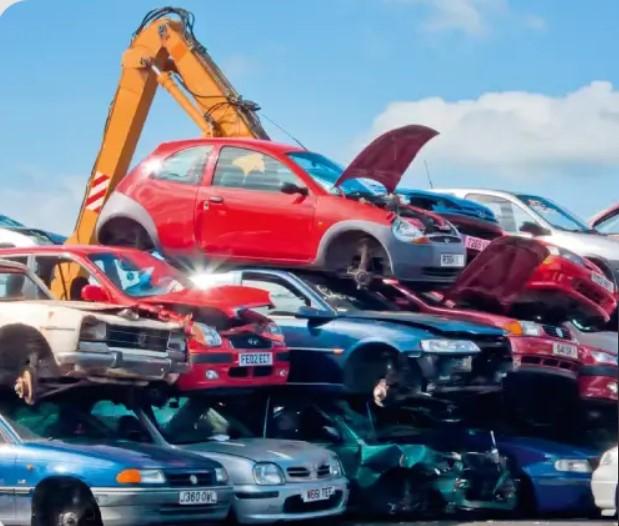
The smartest and most effective financial move you can make is to liquidate the asset before it depreciates any further. Rather than paying endless insurance premiums, risking municipal fines, and watching the car slowly rust away, you can convert the scrap metal into immediate funds. Engaging a professional Junk Car Removal Brampton team allows you to stop the financial bleeding instantly. You completely eliminate the ongoing holding costs, free up your valuable property, and receive a cash payment based on the current market value of the vehicle's recyclable steel and aluminium.
Conclusion
An unused car is a hidden financial liability that constantly costs you money through steady depreciation, ongoing insurance premiums, and potential municipal fines. Choosing to recycle the vehicle immediately stops these hidden expenses and instantly converts a rusting, useless machine into highly usable cash.
Call to Action
Stop paying for a vehicle you no longer drive and reclaim your financial peace of mind today. Contact the professionals to receive a fair evaluation and secure the fast extraction of your old car.
Visit: https://toogood2scrap.ca/


