








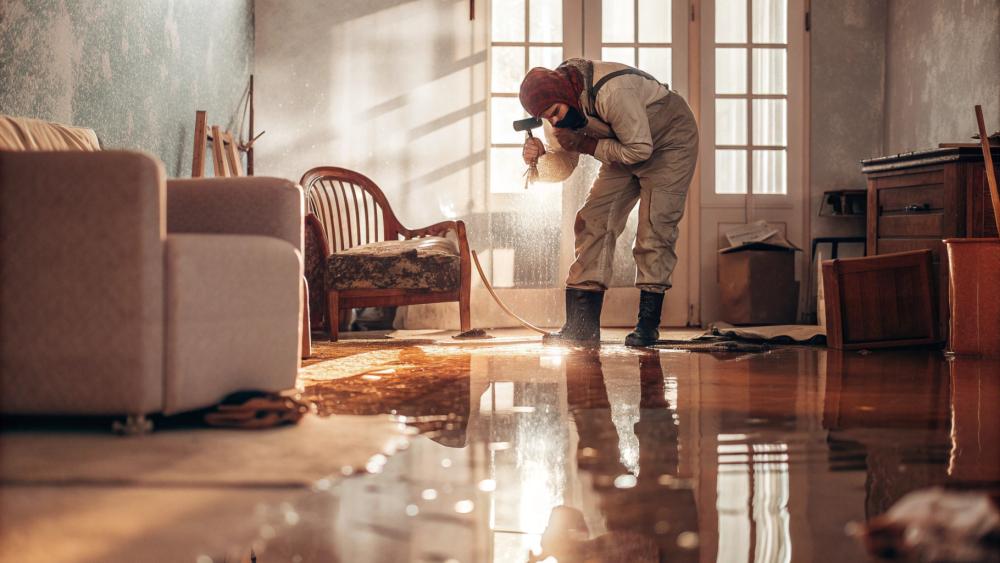
When Is Water Removal Different From Water Extraction After Indoor Flooding?

Summary
Indoor flooding creates immediate chaos, but understanding the cleanup process makes recovery smoother. Many people assume water removal and water extraction mean the same thing, but they involve different steps and tools. This blog explains how each process works, when they are used, and why both are essential for restoring a space safely and effectively.
Introduction
Indoor flooding can turn a normal day into a stressful situation within minutes. Whether caused by burst pipes, heavy rain, or appliance failure, water spreads quickly and begins damaging floors, walls, and furniture almost immediately. Acting fast is critical, but knowing what to do matters just as much as how quickly you respond.
Many homeowners hear professionals mention different terms during cleanup, which can be confusing. One of the most common misunderstandings is between water removal and water extraction. After the initial shock of flooding, understanding these terms helps you make better decisions and avoid long-term damage. The process of water removal typically comes into play after the bulk of standing water has already been addressed.
Understanding The Core Difference
At first glance, both processes seem identical because they involve getting rid of water. However, they focus on different stages of cleanup and use different methods.
Water extraction is the initial step. It focuses on removing large volumes of standing water using powerful equipment like pumps and industrial vacuums. This step is urgent because standing water can quickly seep into structural materials and cause rapid deterioration.
Water removal, on the other hand, deals with moisture that remains after visible water is gone. This includes damp carpets, soaked drywall, and hidden moisture trapped in floors or insulation. It is a more detailed process that ensures the area is truly dry.
When Water Extraction Happens
Water extraction is the first response when flooding occurs. It is all about speed and efficiency.
Removing Standing Water Quickly
Large amounts of water need to be cleared as fast as possible to prevent further spread. Professionals use high-capacity pumps and wet vacuums to handle this stage. The faster this happens, the less damage occurs to flooring and structural elements.
Preventing Structural Damage
Standing water puts pressure on floors and walls, especially in enclosed spaces. Quick extraction reduces the risk of warping, cracking, and weakening of materials.
Creating A Safer Environment
Floodwater can carry contaminants depending on the source. Removing it quickly lowers exposure risks and prepares the space for deeper cleaning.
When Water Removal Becomes Necessary
After extraction is complete, the area may look dry, but moisture is still present beneath surfaces.
Eliminating Hidden Moisture
Water seeps into porous materials like wood, carpet padding, and drywall. Specialized tools such as air movers and dehumidifiers are used to draw out this trapped moisture.
Preventing Mold Growth
Even small amounts of moisture can lead to mold within a short time. Thorough drying ensures that conditions do not support growth.
Restoring Indoor Air Quality
Lingering dampness can affect how a space smells and feels. Proper drying improves air quality and makes the environment comfortable again.
Tools And Techniques Used In Each Process
The equipment used clearly shows the difference between the two steps.
Equipment For Extraction
Extraction relies on heavy-duty machinery designed to move large volumes of water quickly. Submersible pumps and truck-mounted vacuum systems are commonly used in severe flooding situations.
Equipment For Removal
Water removal uses precision tools such as industrial dehumidifiers, air movers, and moisture meters. These tools target damp areas that are not immediately visible.
Monitoring The Drying Process
Professionals often measure moisture levels throughout the process. This ensures that materials are drying properly and that no hidden pockets of moisture remain.
Why Both Steps Are Essential
Skipping either process can lead to incomplete restoration and future problems.
Incomplete Cleanup Risks
If standing water is not extracted properly, it continues to spread and damage materials. On the other hand, if moisture is not fully removed, structural issues and indoor air problems may develop later.
Protecting Property Value
Thorough cleanup helps preserve the condition of your home or building. It reduces the likelihood of long-term repairs and maintains overall value.
Supporting A Full Recovery
Both steps work together to return a space to normal. Extraction handles the immediate issue, while removal ensures lasting results.
Conclusion
Confusion between these two terms is common, but the difference is practical and important. Water extraction focuses on removing visible standing water quickly, while water removal addresses the moisture that remains hidden after the initial cleanup.
Understanding this distinction helps you take the right steps at the right time. While water extraction handles the urgent phase, water removal ensures the job is truly complete and prevents future complications. Both processes are essential for a safe and effective recovery after indoor flooding.
FAQs
Q: Is water extraction enough after flooding?
A: No, extraction removes visible water, but drying and moisture removal are still needed to prevent further damage.
Q: How long does water removal take?
A: It depends on the extent of moisture, but it usually takes several days with proper equipment.
Q: Can I handle water removal myself?
A: Small cases may be manageable, but professional tools are often needed for thorough drying and accurate moisture detection.


